
Spirit Airlines’ abrupt shutdown marks more than just another airline folding; it signals a deeper unraveling of the ultra‑low‑cost model that once transformed U.S. air travel. For years, Spirit carved out a niche by relentlessly cutting costs, squeezing cabins, and charging for almost every add‑on. Yet behind the bargain fares and viral memes, the airline had been quietly burning through cash, struggling to adapt to a post‑pandemic world that demanded higher efficiency, more flexible pricing, and stronger customer loyalty.
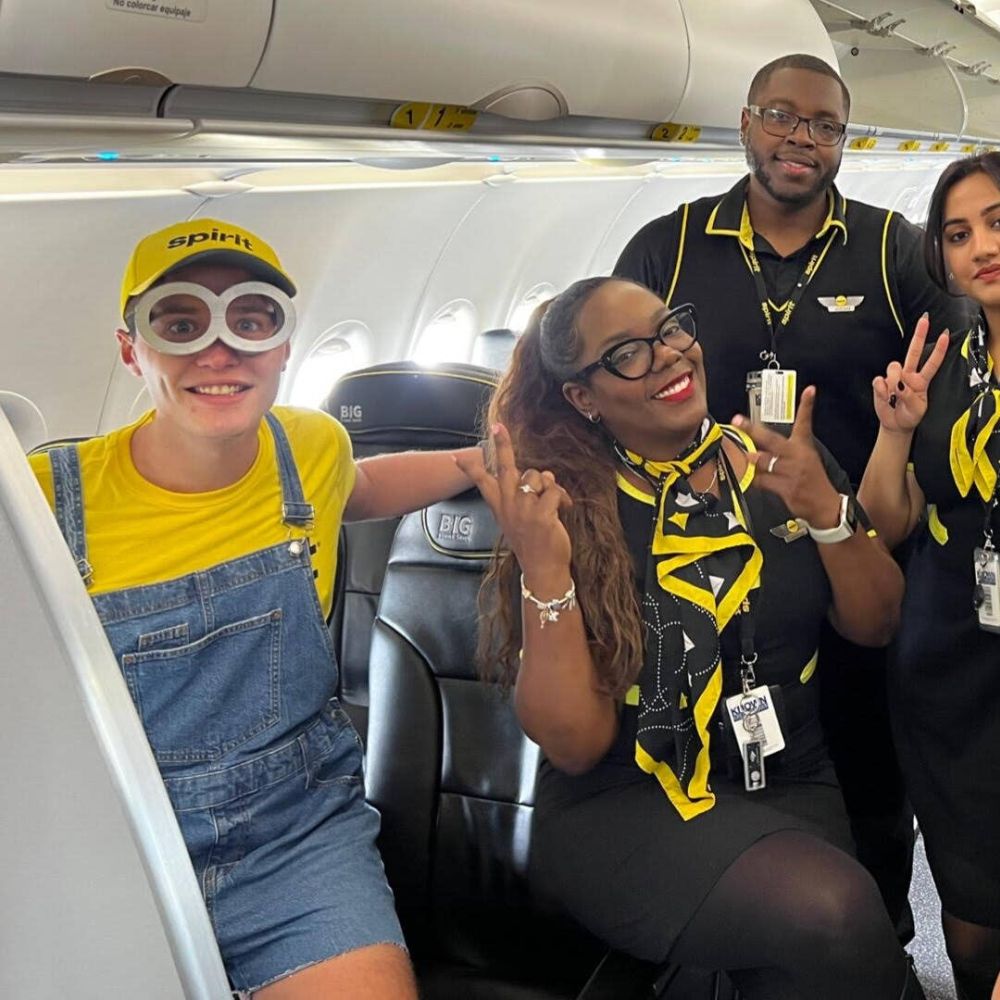
The airline’s downfall appears less like a sudden accident and more like the culmination of a long‑running financial erosion. Repeated warnings about liquidity, multiple bankruptcy filings, and wavering investor confidence all pointed to a fragile foundation. When global fuel prices surged amid geopolitical tensions and the Trump administration chose not to step in with a rescue package, Spirit’s runway simply ran out. The timing of the shutdown caught many by surprise, but the underlying conditions had been visible for months.
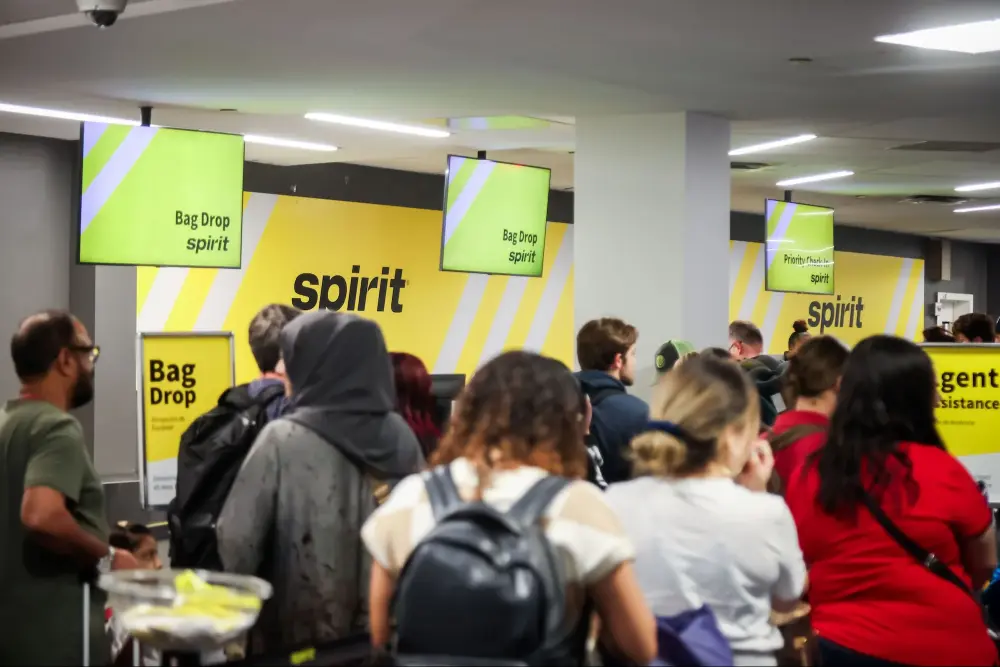
Travelers now face the messy fallout of Spirit’s collapse. Thousands of passengers are left scrambling to find new flights, while many employees confront the abrupt end of their careers with the airline. The sudden withdrawal of Spirit’s capacity on highly competitive routes also threatens to push fares higher across the board, as rival carriers gain more pricing power. In an industry already strained by inflation and staffing shortages, Spirit’s disappearance reshapes the landscape overnight.
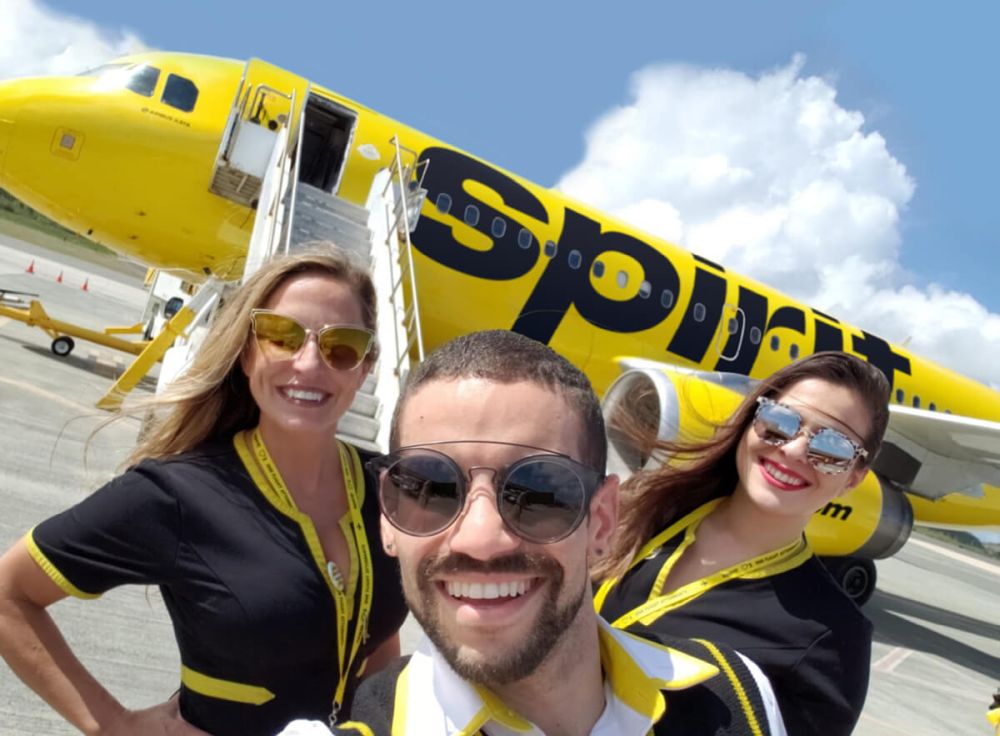
Beyond the immediate disruption, Spirit’s demise raises hard questions about the long‑term viability of ultra‑budget airlines in an era of volatile fuel markets and rising operational costs. Its strategy of maximizing revenue per seat while minimizing service may have delighted price‑sensitive travelers but left little room for resilience when the environment shifted. As the industry digests yet another major failure, airlines and regulators alike must ask whether this model can survive without stronger safeguards for passengers and workers when the next crisis hits.

#SpiritAirways #AirlineCrisis #BudgetTravel #FareHikes #TravelDisruption #BankruptSkies #TravelNews #USAviation #LowCostAirline #IndustryShift