Reading Time : 2minutesMicron has offered Taiwan workers rewards worth up to 68 months of pay after record profits and intense AI-driven memory demand. But unions say the payout does not resolve deeper concerns over profit sharing, bonus transparency, and long-term compensation. With mediation scheduled to continue and a strike vote still possible, the dispute could test Micron’s labor strategy and expose new risks across the global memory-chip supply chain.
Reading Time : 3minutesASML is building far more than another semiconductor facility. Its enormous new Eindhoven campus points toward a future where artificial intelligence demands unprecedented quantities of increasingly sophisticated chips. As chipmakers push toward larger dies, denser architectures and next-generation lithography, ASML is expanding the machinery that makes those ambitions possible. The industrial race behind AI may be only beginning.
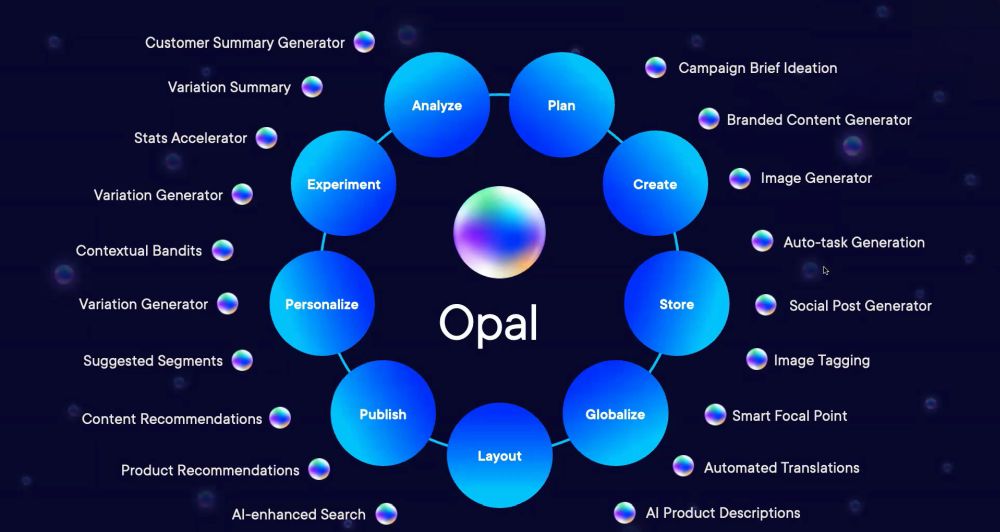
Reading Time : 3minutesMicrosoft’s Project Opal signals a shift from AI that assists to AI that executes. Running on Cloud PCs with an AI supervisor and human oversight, Opal can complete multi-step workflows over hours or days. With enterprise controls and a push toward autonomous Copilot agents, the question is no longer what AI can answer, but what it is allowed to do.
Reading Time : 3minutesAt IFA 2026 in Berlin, Nvidia unveiled PAIR, a free open-source tool that pools idle household PCs into a shared AI compute cluster, alongside streamlined one-click agent installs, major llama.cpp and vLLM throughput gains, October-bound ARM-based RTX Spark PCs branded N1X with Blackwell GPUs and Grace CPUs, and a fresh lineup of locally deployable models optimized for its RTX hardware.
Reading Time : 3minutesXiaomi has unveiled three new XRing chips spanning smartphones, edge AI, and autonomous driving. The 3nm flagship O3 outpaces Qualcomm’s latest in early tests, while the O100 and D100 push on-device AI and vehicle intelligence toward 2027 deployment, backed by tens of billions in investment.
Reading Time : 2minutesWhen John Ternus posted a lowercase hello to X on his first day as Apple’s third CEO, millions watched within hours. The dormant account, the synchronized Weibo greeting, and a wave of rival executives arriving on the platform suggest a calculated global rollout. The test comes September 9, at Apple’s iPhone launch, where the new CEO’s public strategy meets pressure.
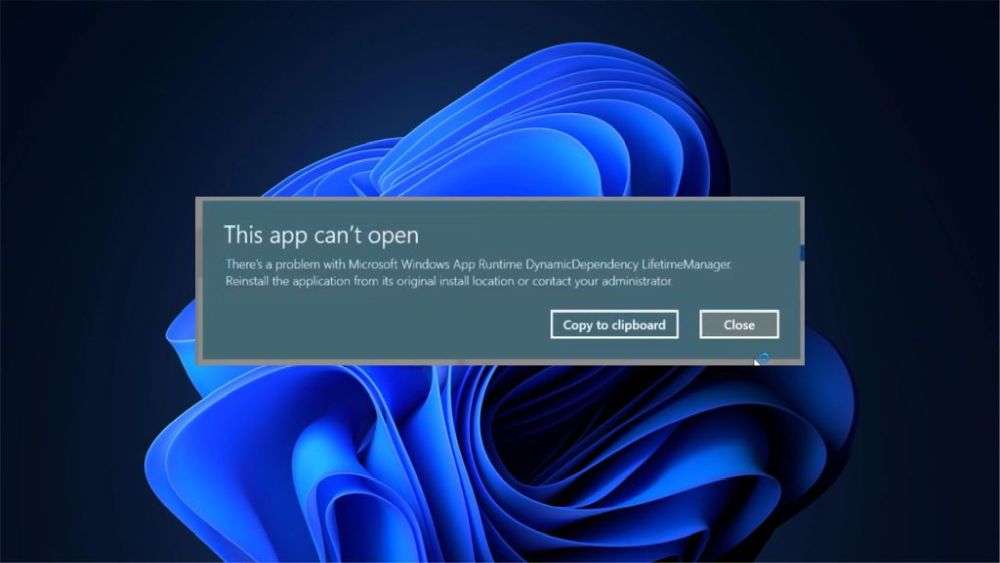
Reading Time : 2minutesMicrosoft 365 users face a second day of disrupted search after an authentication misconfiguration knocked out core services. While email flow has largely recovered, queries in Exchange, SharePoint, OneDrive, and Teams remain unreliable. The incident highlights the risks of centralized cloud dependency and raises fresh questions about redundancy, monitoring, and change management in one of the world’s most critical productivity platforms.
Reading Time : 2minutesMeta’s internal memo reveals Project Hatch, an AI agent capable of booking restaurants, ordering food, and controlling apps like Spotify and OpenTable. With launch expected soon and pricing up to $200 monthly, Hatch enters a competitive market alongside Google and OpenAI’s offerings.
Reading Time : 2minutesGoogle’s latest generative video model turns scene extension into a practical tool for professionals. Omni 1.1 Flash analyzes ten seconds of context, supports keyframe transitions, and offers a fast 360p draft mode. Available now to developers and rolling out to consumers, it signals a major shift toward controllable, cost-effective AI video production.
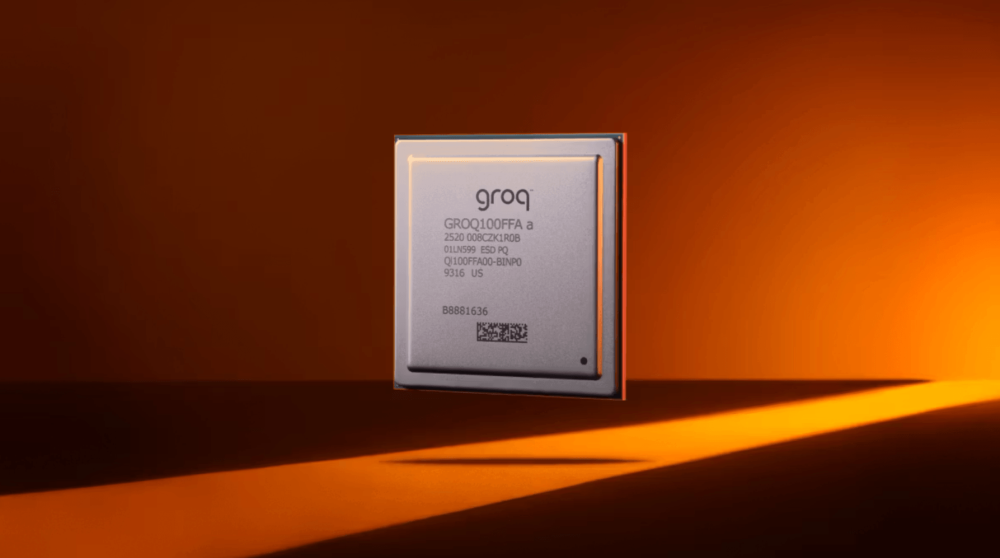
Reading Time : 3minutesGroq and Grok may sound almost identical, but they belong to entirely different corners of the AI world. One represents specialized hardware built for extremely fast inference, while the other is an AI chatbot from xAI. Nvidia’s interest in Groq suggests something bigger is happening: the future of AI may depend not only on powerful processors, but on how quickly intelligent systems can respond, reason, and act.
Reading Time : 2minutesPorsche’s $1.5 billion AI pact with TCS reshapes the automaker’s tech strategy and signals a broader shift in how legacy industries outsource innovation. The sale of MHP and the push into AI-driven operations highlight a new playbook for staying competitive in a rapidly evolving market.
Reading Time : 3minutesShein’s Hong Kong IPO raises up to $1.77 billion at a $27 billion valuation, far below its 2022 peak. Slowing growth, new import charges, and Temu’s pressure have dented margins. Cornerstone investors and a dual-class structure aim to stabilize the debut as the company finally goes public after years of delays.
Hashtags
Reading Time : 2minutesOpenAI’s new macOS plugin gives ChatGPT direct access to Apple Messages, enabling AI to read, search, and send texts. While promising seamless automation, the feature raises serious privacy and security concerns about AI access to personal conversations.
Reading Time : 3minutesUnitree’s IPO has fueled predictions that humanoid robots are nearing a ChatGPT-style breakthrough. Yet the company’s founder says the decisive moment could remain a decade away. China dominates shipments, but difficult data problems, weak commercial demand and new US import restrictions reveal an industry advancing rapidly in production while still struggling to achieve genuine physical intelligence.
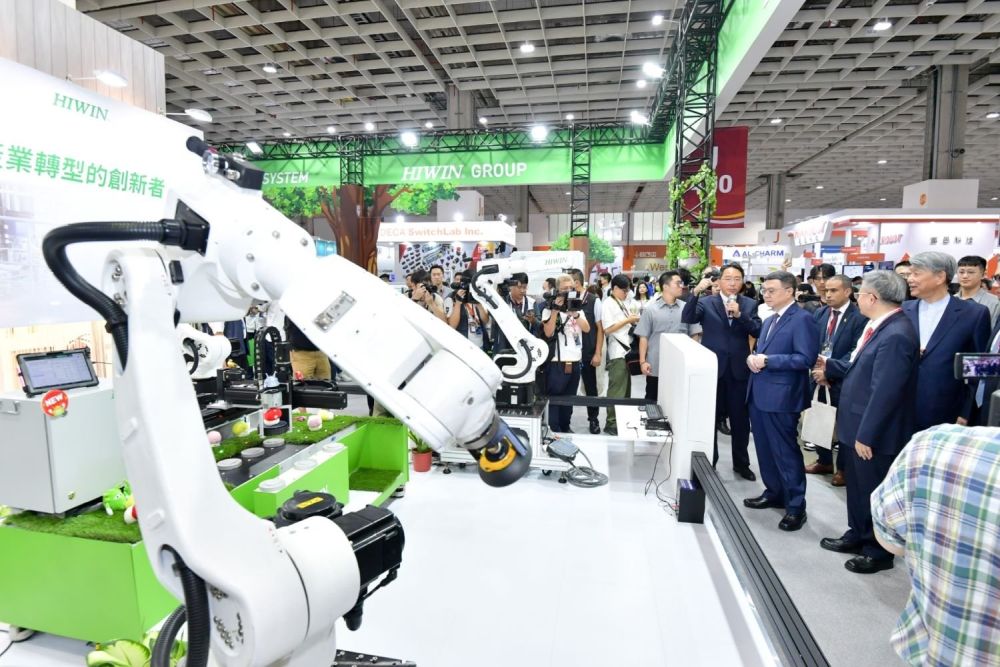
Reading Time : 2minutesTaiwan’s Automation Taipei 2026 opened with AI robotics taking center stage as 1,200 exhibitors from 16 countries showcased intelligent manufacturing technologies. The government pledged NT$40.8 billion for AI development in 2027, while companies unveiled dual-arm robots and autonomous delivery systems designed to address persistent global labor shortages.
Hashtags