
Toyota is preparing one of the auto industry’s most ambitious automation drives, with internal projections pointing to the deployment of roughly 400,000 robots across its global manufacturing footprint. The plan, discussed at a technology briefing for investors, envisions an annual investment of about 1 trillion yen, or $6.4 billion, beginning in 2028. Around 150,000 of these machines would operate inside Toyota’s own plants, while another 250,000 would be placed at supplier and partner facilities among the automaker’s roughly 60 production sites worldwide.
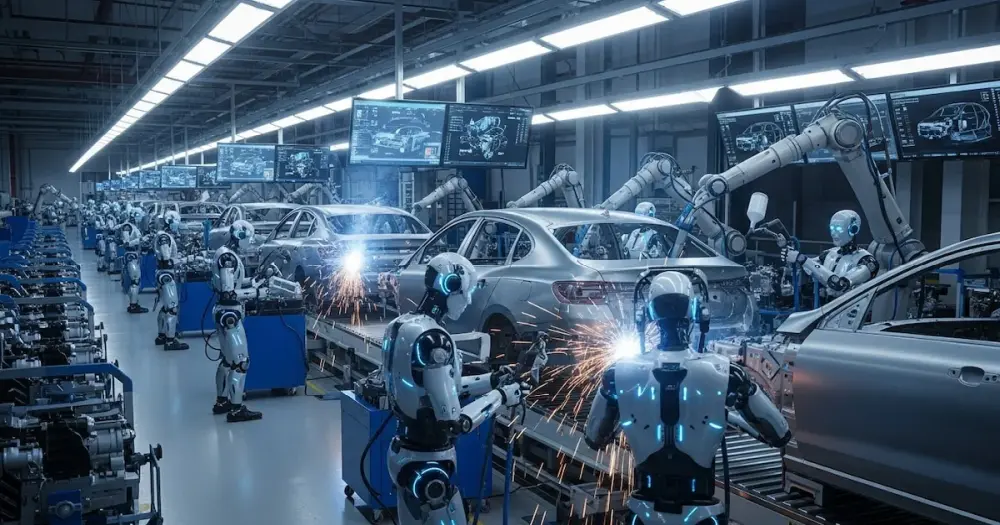
Rather than framing robots as replacements for human workers, Toyota emphasizes coexistence, particularly with its veteran takumi craftspeople whose decades of experience define the company’s production culture. A central element of the strategy is ELEY, a battery-powered wheeled robot that uses Large Behavior Models to learn tasks from just a handful of human demonstrations. Data gathered by these machines from skilled workers would be centralized, preserving institutional knowledge that could otherwise disappear as older employees retire, and then used to train both future robots and new hires.
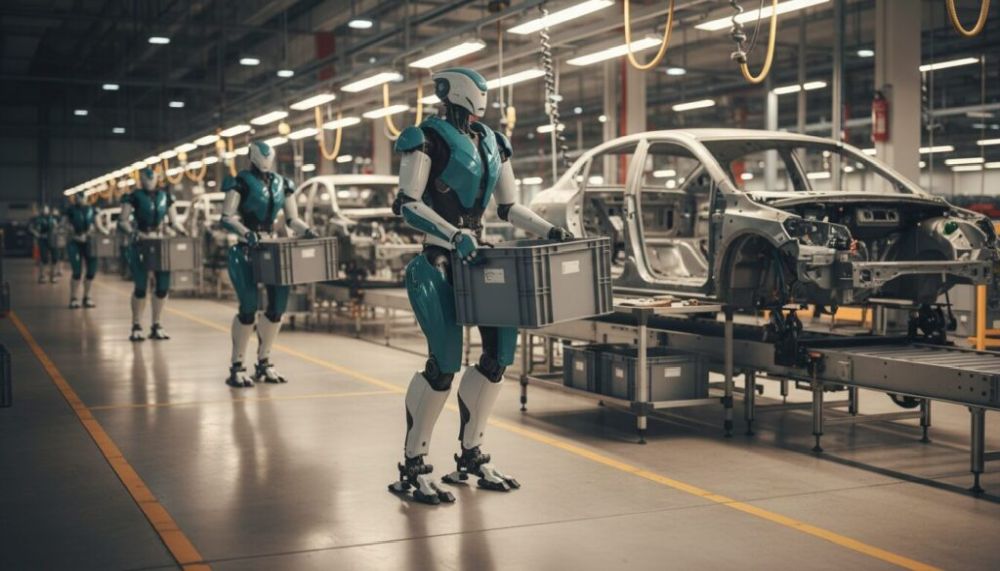
The move fits a broader industry pattern in which major automakers are accelerating the integration of advanced robotics into everyday factory work. Hyundai plans to introduce humanoid robots at its Georgia plant from 2028, BMW already uses AI-driven robots in Germany and the United States, Mercedes-Benz employs quadruped machines for quality inspections, and Tesla continues developing its multi-purpose Optimus platform. Toyota’s approach appears designed to minimize disruption, timing robot installations to coincide with factory renovations and new model launches rather than overhauling active production lines.
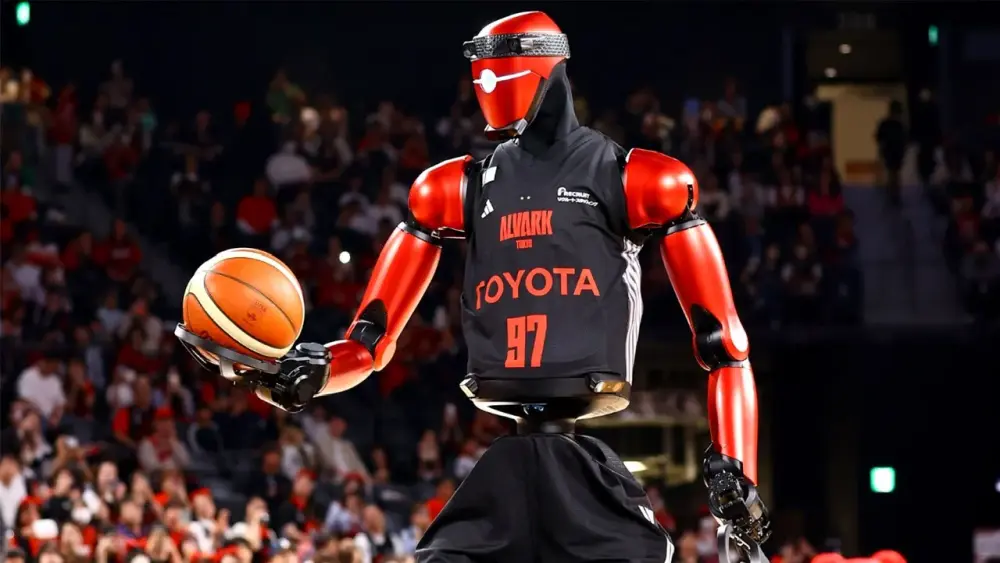
Even so, the 400,000-robot figure remains a projection rather than a firm commitment, and Toyota has not confirmed whether it will ultimately spend the full 1 trillion yen annually or over how many years such a program might run. What is clear is the scale of the ambition and the signal it sends about the future of car manufacturing. If even a fraction of this plan materializes, it would reshape how vehicles are built, how skills are transferred inside factories, and how automation is perceived on the shop floor.

#Toyota #Robotics #Automation #Manufacturing #AI #FutureOfWork #AutomotiveIndustry #Industry40 #Takumi #SmartFactory