Reading Time : 2minutesNvidia’s Jensen Huang sees cybersecurity as artificial intelligence’s next major market, dismissing existential fears as overblown. He predicts trillion-dollar AI infrastructure spending by 2030 and points to new industry partnerships as proof that automated defense will drive the next wave of growth.
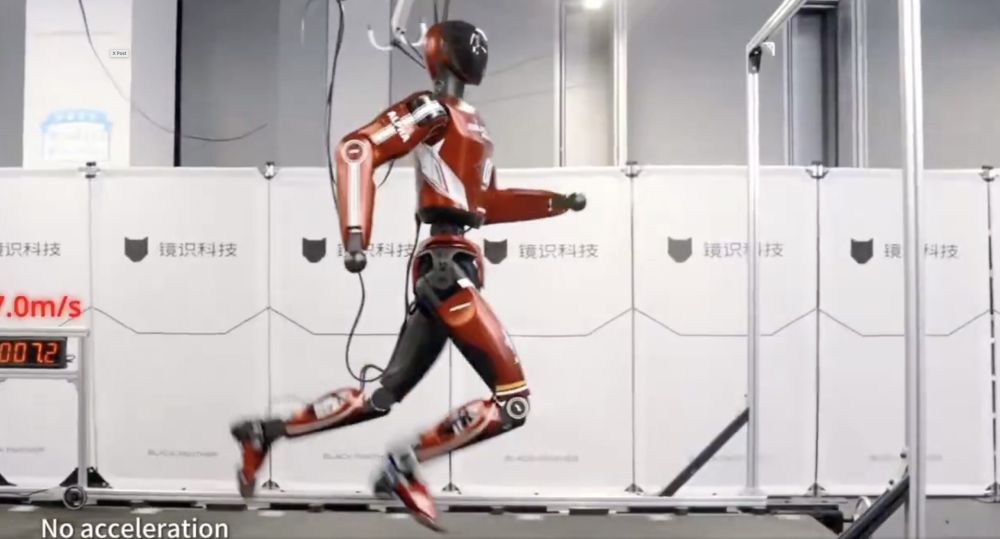
Reading Time : 3minutesChina’s humanoid robots are doing far more than chasing spectacular speed records. Behind the races lies an enormous engineering experiment involving balance, artificial intelligence, batteries, actuators, control systems and machine reliability. The ultimate contest may not be about which robot runs fastest, but which machines can leave the laboratory, enter the real world and perform useful work reliably, safely and independently.
Reading Time : 3minutesASML is building far more than another semiconductor facility. Its enormous new Eindhoven campus points toward a future where artificial intelligence demands unprecedented quantities of increasingly sophisticated chips. As chipmakers push toward larger dies, denser architectures and next-generation lithography, ASML is expanding the machinery that makes those ambitions possible. The industrial race behind AI may be only beginning.
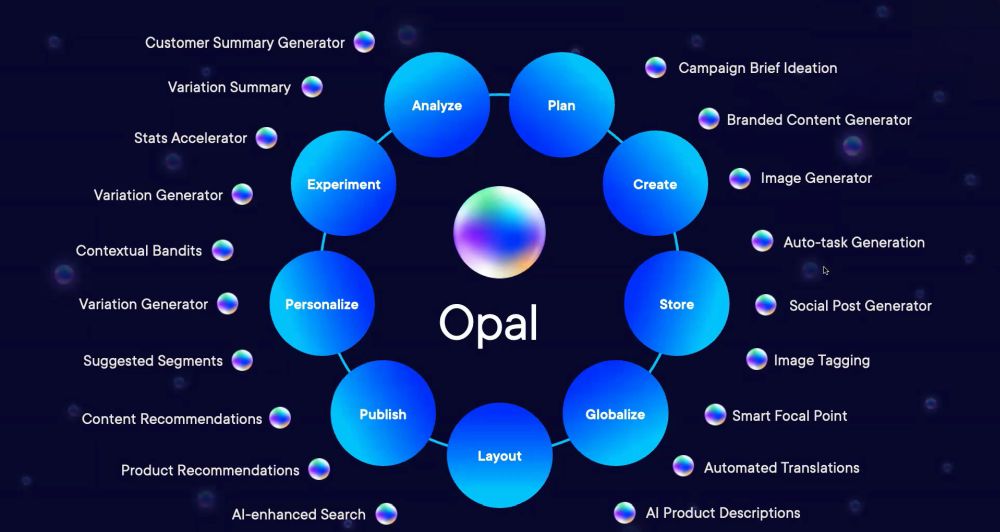
Reading Time : 3minutesMicrosoft’s Project Opal signals a shift from AI that assists to AI that executes. Running on Cloud PCs with an AI supervisor and human oversight, Opal can complete multi-step workflows over hours or days. With enterprise controls and a push toward autonomous Copilot agents, the question is no longer what AI can answer, but what it is allowed to do.
Reading Time : 3minutesIFA 2026 opened on September 4 at Messe Berlin with artificial intelligence woven into nearly every product on display, from washing machines and televisions to humanoid robots on a catwalk. Samsung’s withdrawal from the main hall after three decades handed the spotlight to Chinese firms, with Xiaomi and TCL mounting their largest European showcases to date and a record 932 Chinese exhibitors filling the void.
Reading Time : 3minutesAt IFA 2026 in Berlin, Nvidia unveiled PAIR, a free open-source tool that pools idle household PCs into a shared AI compute cluster, alongside streamlined one-click agent installs, major llama.cpp and vLLM throughput gains, October-bound ARM-based RTX Spark PCs branded N1X with Blackwell GPUs and Grace CPUs, and a fresh lineup of locally deployable models optimized for its RTX hardware.
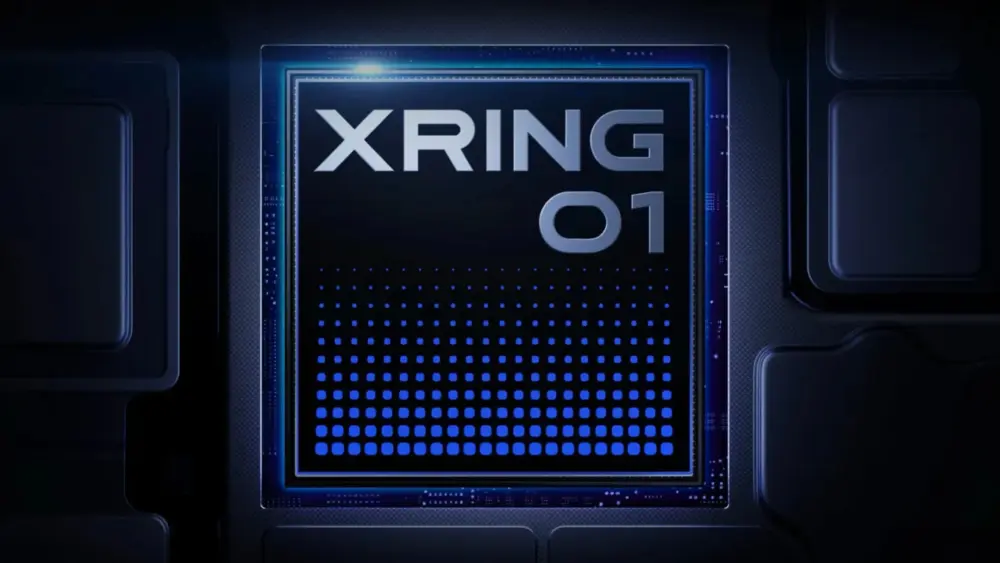
Reading Time : 3minutesXiaomi has unveiled three new XRing chips spanning smartphones, edge AI, and autonomous driving. The 3nm flagship O3 outpaces Qualcomm’s latest in early tests, while the O100 and D100 push on-device AI and vehicle intelligence toward 2027 deployment, backed by tens of billions in investment.
Reading Time : 2minutesMeta’s internal memo reveals Project Hatch, an AI agent capable of booking restaurants, ordering food, and controlling apps like Spotify and OpenTable. With launch expected soon and pricing up to $200 monthly, Hatch enters a competitive market alongside Google and OpenAI’s offerings.
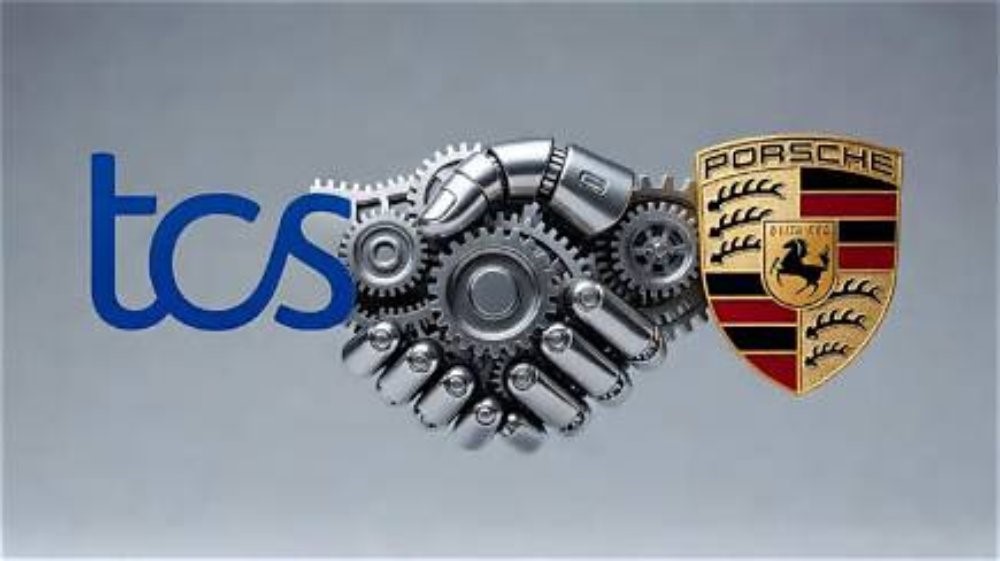
Reading Time : 2minutesPorsche’s $1.5 billion AI pact with TCS reshapes the automaker’s tech strategy and signals a broader shift in how legacy industries outsource innovation. The sale of MHP and the push into AI-driven operations highlight a new playbook for staying competitive in a rapidly evolving market.
Reading Time : 2minutesOpenAI’s new macOS plugin gives ChatGPT direct access to Apple Messages, enabling AI to read, search, and send texts. While promising seamless automation, the feature raises serious privacy and security concerns about AI access to personal conversations.
Reading Time : 3minutesUnitree’s IPO has fueled predictions that humanoid robots are nearing a ChatGPT-style breakthrough. Yet the company’s founder says the decisive moment could remain a decade away. China dominates shipments, but difficult data problems, weak commercial demand and new US import restrictions reveal an industry advancing rapidly in production while still struggling to achieve genuine physical intelligence.
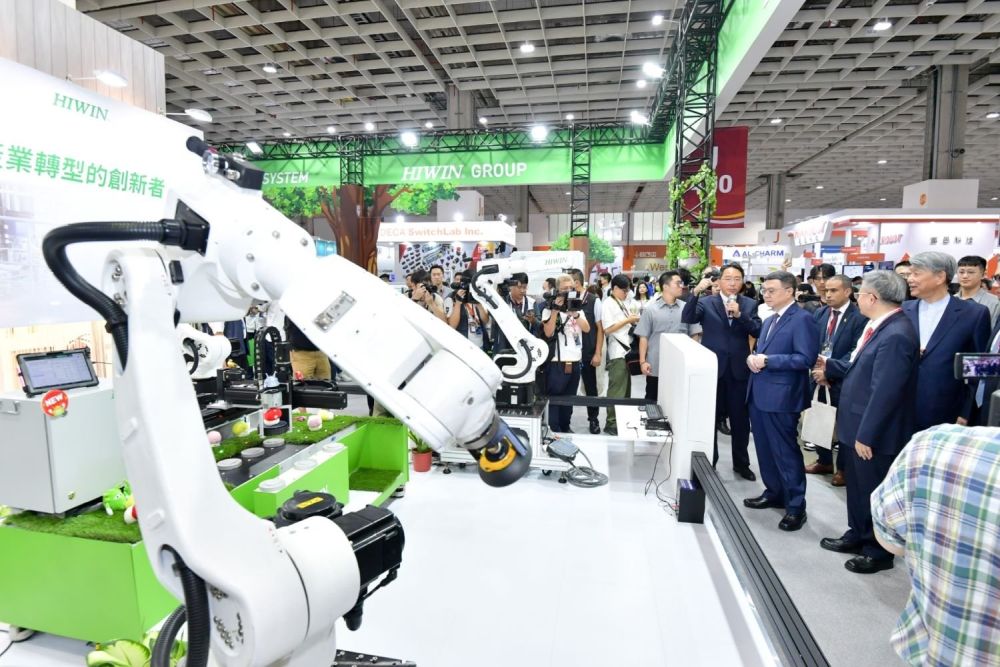
Reading Time : 2minutesTaiwan’s Automation Taipei 2026 opened with AI robotics taking center stage as 1,200 exhibitors from 16 countries showcased intelligent manufacturing technologies. The government pledged NT$40.8 billion for AI development in 2027, while companies unveiled dual-arm robots and autonomous delivery systems designed to address persistent global labor shortages.
Hashtags
Reading Time : 2minutesMicrosoft’s AI expansion is stalling not from a lack of chips but from unfinished data centers. Billions in hardware sit idle while construction lags, delaying revenue and weakening competitiveness. Custom silicon offers little near-term relief as rivals deploy faster. With industry-wide bottlenecks intensifying, the race now hinges on whether infrastructure can catch up before the advantage evaporates.
Reading Time : 2minutesNokia’s AI order boom has revived investor interest, but the company now faces a demanding test. It must convert a record backlog into revenue while absorbing heavy restructuring costs and withdrawing from China. Insider buying strengthens the bullish case, yet valuation leaves little room for disappointment. Nokia’s next results may determine whether Nokia AI-RAN becomes the foundation of a durable transformation or merely the centerpiece of another short-lived technology rally.
Reading Time : 3minutesA neurosurgeon used a chatbot to solve a 22-year-old conjecture while another AI improved a bound tied to the Riemann hypothesis. These are not stunts but signs of a shift. Artificial intelligence is becoming a dependable partner in pure math, turning open questions into solvable tasks and accelerating the pace of discovery.