Enterprise strategy is a comprehensive, long-term plan that outlines an organization’s overall direction and goals, guiding major decisions and resource allocation to achieve sustainable success. It defines the overarching purpose and aspirations of the organization, providing a clear sense of direction and motivation, and sets specific, measurable goals in alignment with its vision and mission. The strategy identifies the organization’s unique strengths and capabilities that provide a competitive advantage in the marketplace, determines how the organization will differentiate itself from competitors and appeal to its target audience, and plans the distribution of financial, human, and technological resources to support strategic initiatives. Additionally, it identifies potential risks and develops strategies to mitigate them, ensuring the organization can adapt to changing conditions and uncertainties. An effective enterprise strategy aligns all parts of the organization, fostering cohesive efforts towards common goals and ensuring long-term growth and resilience.
Reading Time : 2minutesMicrosoft 365 users face a second day of disrupted search after an authentication misconfiguration knocked out core services. While email flow has largely recovered, queries in Exchange, SharePoint, OneDrive, and Teams remain unreliable. The incident highlights the risks of centralized cloud dependency and raises fresh questions about redundancy, monitoring, and change management in one of the world’s most critical productivity platforms.
Reading Time : 2minutesMeta’s internal memo reveals Project Hatch, an AI agent capable of booking restaurants, ordering food, and controlling apps like Spotify and OpenTable. With launch expected soon and pricing up to $200 monthly, Hatch enters a competitive market alongside Google and OpenAI’s offerings.
Reading Time : 2minutesGoogle’s latest generative video model turns scene extension into a practical tool for professionals. Omni 1.1 Flash analyzes ten seconds of context, supports keyframe transitions, and offers a fast 360p draft mode. Available now to developers and rolling out to consumers, it signals a major shift toward controllable, cost-effective AI video production.
Reading Time : 3minutesGroq and Grok may sound almost identical, but they belong to entirely different corners of the AI world. One represents specialized hardware built for extremely fast inference, while the other is an AI chatbot from xAI. Nvidia’s interest in Groq suggests something bigger is happening: the future of AI may depend not only on powerful processors, but on how quickly intelligent systems can respond, reason, and act.
Reading Time : 2minutesPorsche’s $1.5 billion AI pact with TCS reshapes the automaker’s tech strategy and signals a broader shift in how legacy industries outsource innovation. The sale of MHP and the push into AI-driven operations highlight a new playbook for staying competitive in a rapidly evolving market.
Reading Time : 3minutesShein’s Hong Kong IPO raises up to $1.77 billion at a $27 billion valuation, far below its 2022 peak. Slowing growth, new import charges, and Temu’s pressure have dented margins. Cornerstone investors and a dual-class structure aim to stabilize the debut as the company finally goes public after years of delays.
Hashtags
Reading Time : 2minutesOpenAI’s new macOS plugin gives ChatGPT direct access to Apple Messages, enabling AI to read, search, and send texts. While promising seamless automation, the feature raises serious privacy and security concerns about AI access to personal conversations.
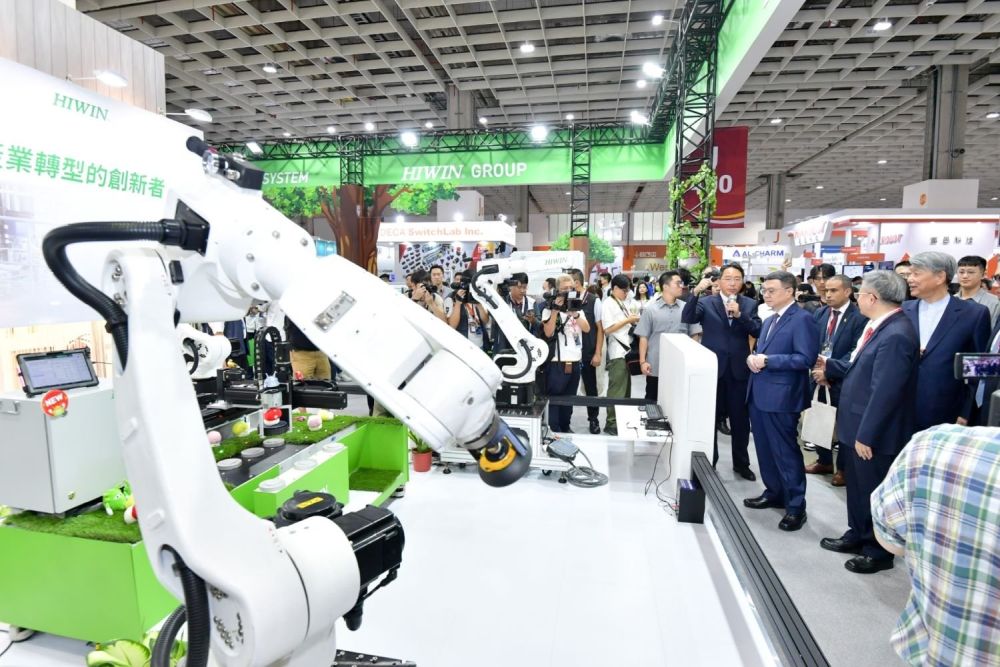
Reading Time : 2minutesTaiwan’s Automation Taipei 2026 opened with AI robotics taking center stage as 1,200 exhibitors from 16 countries showcased intelligent manufacturing technologies. The government pledged NT$40.8 billion for AI development in 2027, while companies unveiled dual-arm robots and autonomous delivery systems designed to address persistent global labor shortages.
Hashtags
Reading Time : 3minutesAlibaba’s latest share-price jump reflects more than enthusiasm for another AI product. Alipay is attempting to build the infrastructure through which AI agents discover services, place orders and complete payments across China’s digital economy. The strategy could strengthen Alibaba’s ecosystem, but its success will depend on whether subsidized adoption becomes profitable commerce while rising AI investment continues to weigh on cash flow and earnings.
Reading Time : 2minutesMicrosoft’s AI expansion is stalling not from a lack of chips but from unfinished data centers. Billions in hardware sit idle while construction lags, delaying revenue and weakening competitiveness. Custom silicon offers little near-term relief as rivals deploy faster. With industry-wide bottlenecks intensifying, the race now hinges on whether infrastructure can catch up before the advantage evaporates.
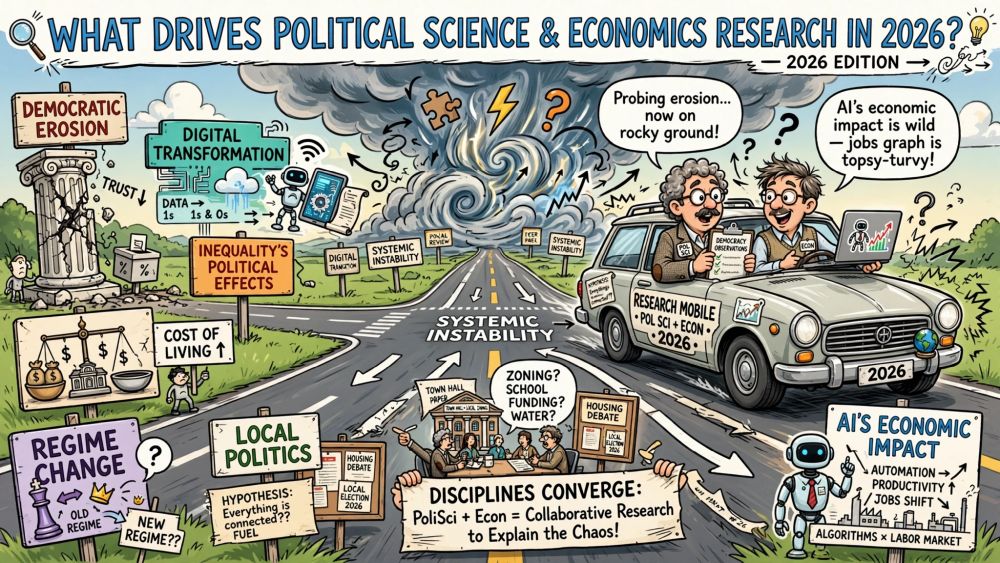
Reading Time : 3minutesWhat drives political science and economics research in 2026? Scholars probe democratic erosion, digital transformation, and inequality’s political effects. Regime change, local politics, and AI’s economic impact take center stage as disciplines converge to explain systemic instability.
Reading Time : 2minutesNokia’s AI order boom has revived investor interest, but the company now faces a demanding test. It must convert a record backlog into revenue while absorbing heavy restructuring costs and withdrawing from China. Insider buying strengthens the bullish case, yet valuation leaves little room for disappointment. Nokia’s next results may determine whether Nokia AI-RAN becomes the foundation of a durable transformation or merely the centerpiece of another short-lived technology rally.
Reading Time : 3minutesOpenAI and Anthropic want enterprises to measure AI costs more precisely, and the Linux Foundation is building standards to help. For local and home AI users, though, these efforts are unlikely to lower the price of running large models. Affordable household intelligence will depend on efficient models and consumer hardware, not tokenomics.
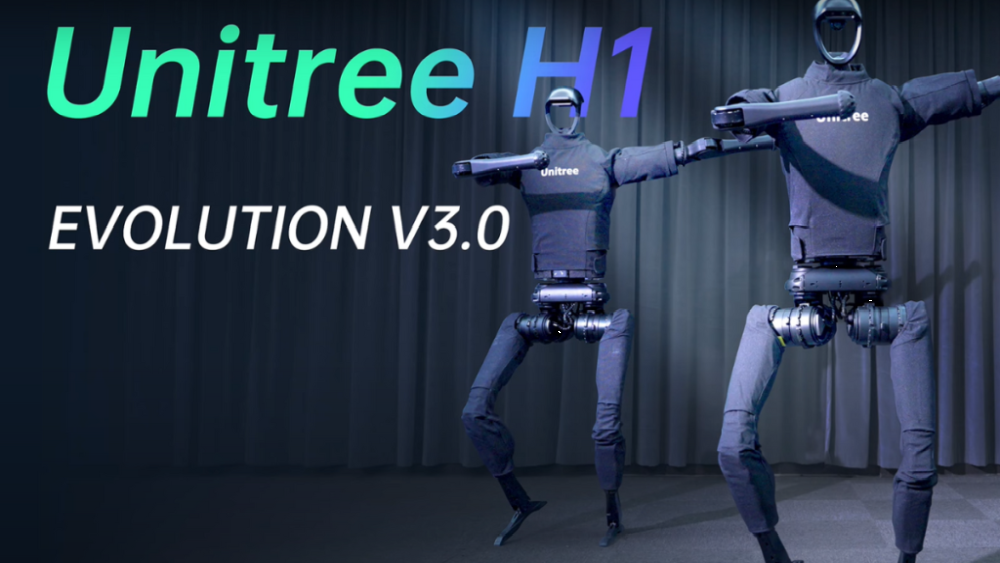
Reading Time : 3minutesUnitree Robotics just raised $904 million in a Shanghai IPO that drew 8,289 times oversubscription. The company pivoted from four-legged machines to humanoid robots, now its biggest revenue driver. Investors are betting big, but questions linger about valuation, profitability, and whether this rally reflects fundamentals or froth in the physical AI trade.
Reading Time : 2minutesOpenAI’s latest free tier expansion looks less like generosity than a calculated market maneuver. Unlimited text chats, cheaper API access, and upgraded reasoning could widen adoption, pressure rivals, and create a larger audience for advertising. The unresolved question is whether efficiency gains can sustain the promise, or whether users will eventually encounter new limits elsewhere outside the headline offer entirely.