Reading Time : 2minutesThe release of Alibaba’s open source AI stack signals a deeper shift in the global AI race. Beyond hardware, control over software ecosystems is emerging as the decisive battleground. As China accelerates efforts to build independent alternatives, the question is no longer whether competition will intensify, but how quickly developers and enterprises will respond to these new options.
Reading Time : 2minutesThis development signals a turning point in how governments approach big tech power. By forcing data sharing and system access, Europe aims to level the playing field for emerging AI competitors. The outcome could redefine innovation, competition, and user privacy in the digital age, with global implications beyond the European market.
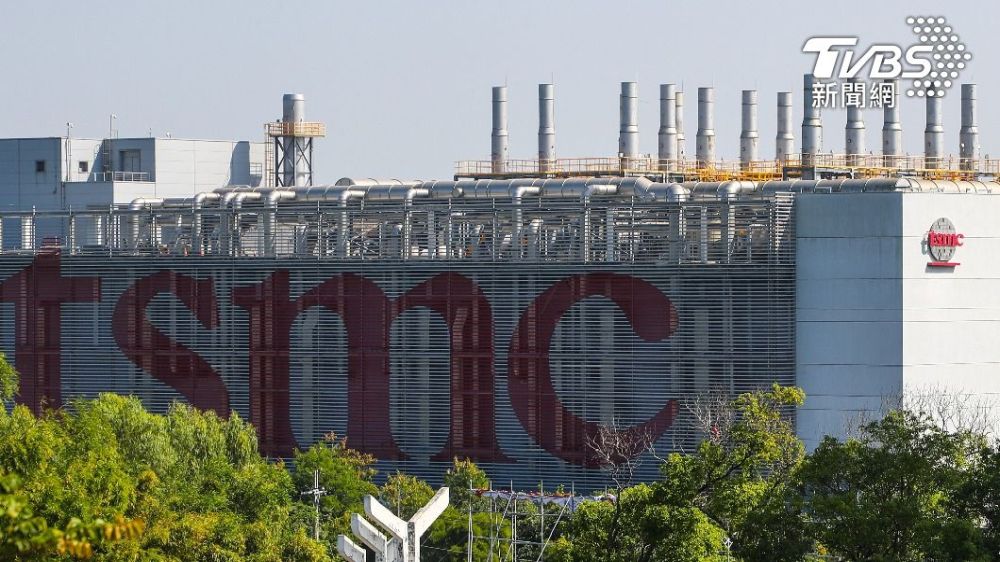
Reading Time : 2minutesThe rapid expansion of TSMC’s Chiayi facilities highlights intensifying pressure in the AI hardware supply chain. As demand for advanced packaging outpaces supply, the company is scaling aggressively while Taiwan positions itself as a strategic hub. The move raises broader questions about capacity, competition, and the future stability of global semiconductor production.
Reading Time : 2minutesAI enthusiasm has driven a sharp rally in Asian markets, with SoftBank leading gains after OpenAI’s GPT-5.6 launch. Semiconductor firms also climbed as demand expectations surged. While investors are betting on long term transformation, questions remain about whether current valuations reflect real growth or short term speculation fueled by rapid technological headlines.
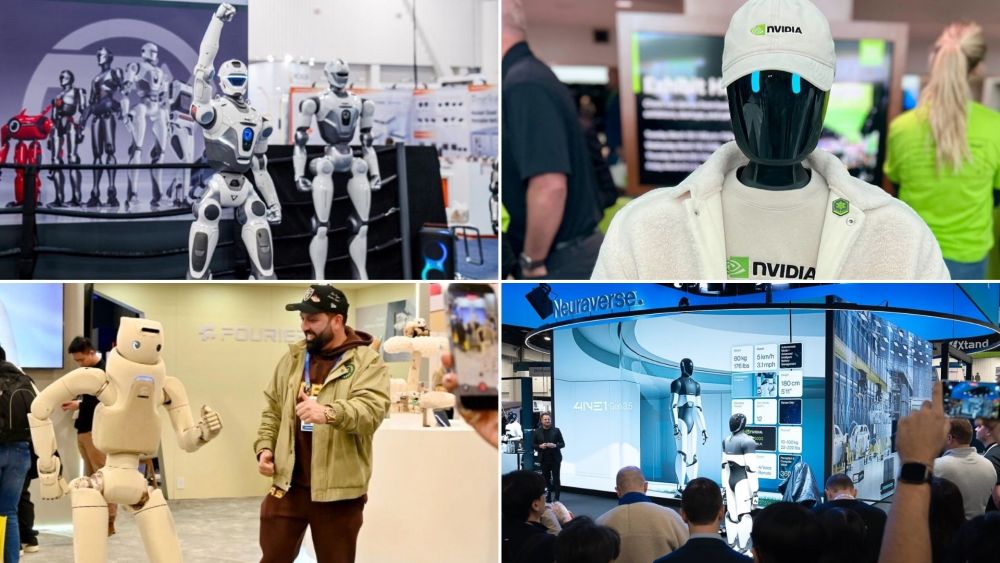
Reading Time : 3minutesIn 2025, Chinese firms shipped roughly 90% of the world’s humanoid robots, outpacing Western rivals through aggressive pricing, state-backed subsidies, and deep supply-chain advantages. While the market remains small, the imbalance signals a strategic push to turn robots into mass-produced commodities. The real contest now hinges on whether volume-driven data can overcome Western leads in advanced AI software and high-end industrial integration.
Reading Time : 2minutesMeta’s Brain2Qwerty v2 showcases a major advance in non invasive brain to text decoding, combining neural signal analysis with AI language models. While the technology promises new communication tools for patients with severe impairments, it also raises deeper concerns about data privacy, corporate control, and the long term implications of translating human thought into digital text.
Reading Time : 2minutesChina’s robotics ambitions are accelerating, and Nvidia is positioning itself at the center through talent and software rather than hardware alone. By embedding within local ecosystems, the company may bypass geopolitical limits while strengthening its role in humanoid AI. The strategy reflects a broader shift where control over intelligence platforms could matter more than control over chips.
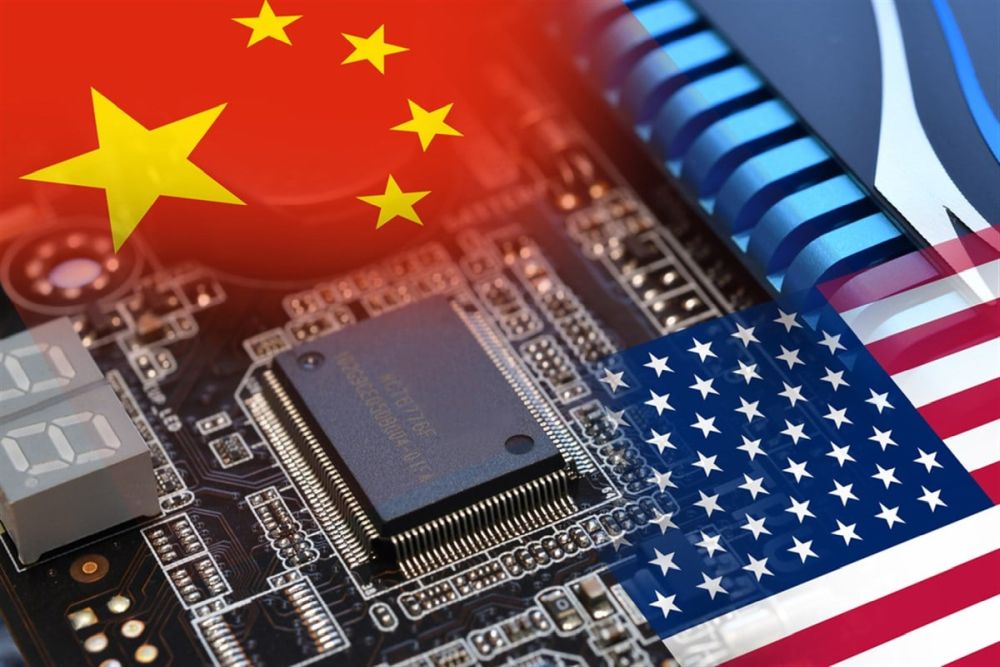
Reading Time : 2minutesChina’s AI chip market is undergoing a dramatic transformation as domestic players rapidly displace foreign dominance. Driven by policy pressure and supply restrictions, the shift highlights a deeper geopolitical divide shaping global technology. As Huawei scales production and innovation, the balance of power in AI hardware is being redrawn with long term consequences.
Reading Time : 2minutesThe abrupt restriction of advanced AI models by US authorities has ignited diplomatic friction with both the European Union and India. As officials scramble for clarity and assurances, the incident highlights growing tensions over access, control, and trust in frontier technologies, raising broader questions about how geopolitical priorities are reshaping the global AI landscape.
Reading Time : 2minutesNVIDIA’s BioNeMo Agent Toolkit signals a shift from isolated AI models to coordinated agent systems capable of executing complex scientific workflows. By embedding domain expertise into programmable tasks, the company is pushing toward automated research pipelines that could compress drug discovery timelines, reshape laboratory operations, and accelerate innovation across the life sciences industry.
Reading Time : 2minutesJD.com’s pivot from job protection promises to large-scale automation signals a deeper shift in China’s economic model. As robots move into delivery networks, the fate of hundreds of thousands of workers hangs in the balance. Retraining efforts may not keep pace with technological change, exposing tensions between innovation, employment stability, and long-term social equilibrium.
Reading Time : 2minutesThe 2026 VivaTech conference in Paris highlights a turning point in robotics and artificial intelligence, where humanoid machines move beyond prototypes into real-world roles. With major industry partnerships and rapid deployment plans emerging, the event signals a shift toward integrated AI and automation systems that could redefine labor, manufacturing, and technological power structures globally.
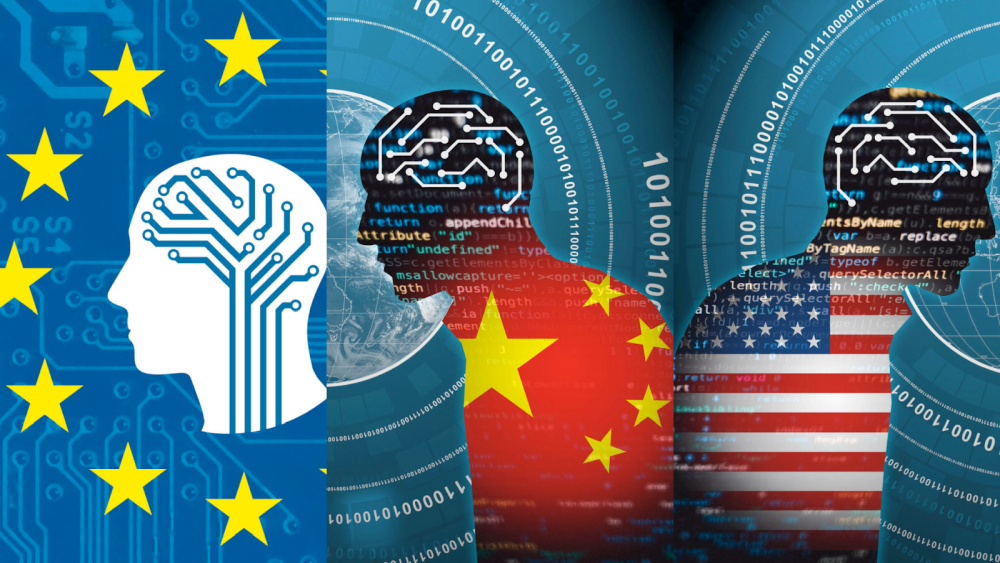
Reading Time : 2minutesEurope’s push for AI sovereignty gained urgency after a sudden US export restriction exposed deep reliance on foreign technology. France and Germany are now advancing a coordinated strategy that links policy, infrastructure, and procurement. The shift signals a broader realization that technological dependence carries geopolitical risks, pushing Europe toward more assertive digital independence.
Reading Time : 2minutesTaiwan’s 2026 growth forecast has surged to 9.33 percent, fueled by global AI demand and semiconductor dominance. While exports and investment are booming, concerns are rising over economic concentration and geopolitical risks. The island’s success highlights both opportunity and vulnerability, as its future becomes increasingly tied to the volatile trajectory of artificial intelligence markets
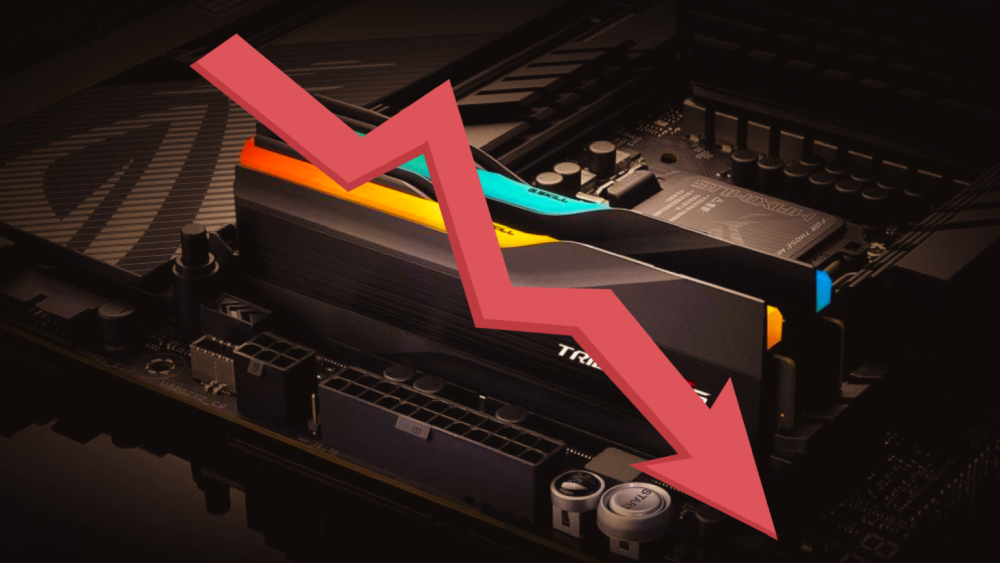
Reading Time : 2minutesMounting supply constraints in memory and graphics components are accelerating a deeper contraction in the global PC market. As AI infrastructure absorbs manufacturing capacity, consumer hardware faces rising prices and limited availability. Industry players are adjusting strategies, but recovery remains uncertain amid persistent imbalances shaping the future of computing demand.