Reading Time : 2minutesThis developing story highlights the delicate balance between geopolitics and global technology markets. AMD’s engagement with China reflects broader industry tensions, where access to one of the largest tech ecosystems collides with regulatory constraints. The outcome may shape not only corporate strategies but also the future structure of the global semiconductor landscape.
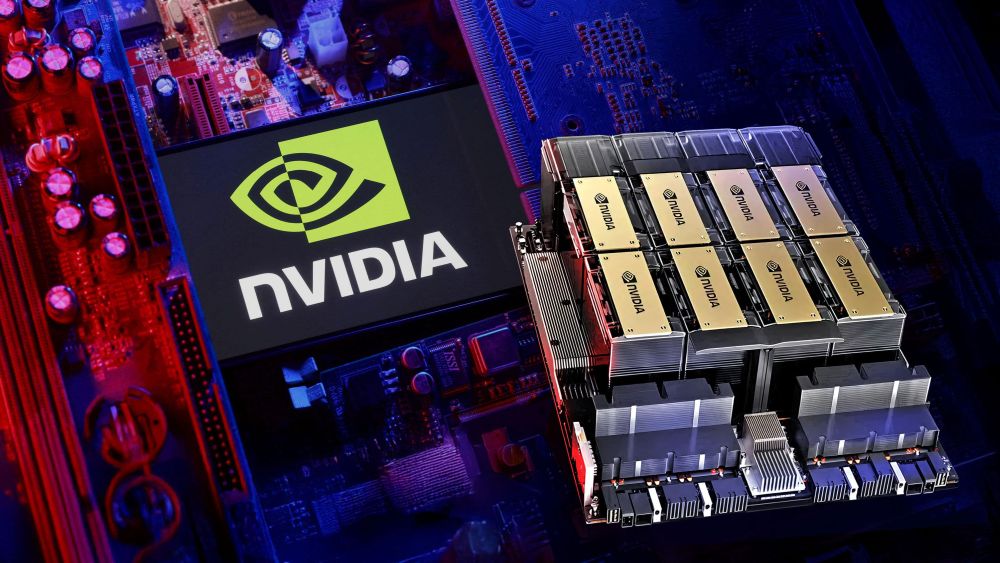
Reading Time : 2minutesThe stalled Nvidia H200 chip sales reveal a deeper conflict between economic opportunity and national strategy. While approvals suggest openness, hidden restrictions on both sides block progress. Companies are left in uncertainty, and Nvidia faces mounting pressure. The episode highlights how global tech trade is increasingly shaped by political mistrust rather than market forces.
Reading Time : 2minutesIn a major push toward autonomous business operations, SAP introduced an integrated AI platform and agent driven suite at Sapphire 2026. The company aims to automate core enterprise processes while simplifying user interaction through conversational interfaces. Backed by strong partnerships and migration tools, SAP is betting that AI can reshape how organizations operate at scale.
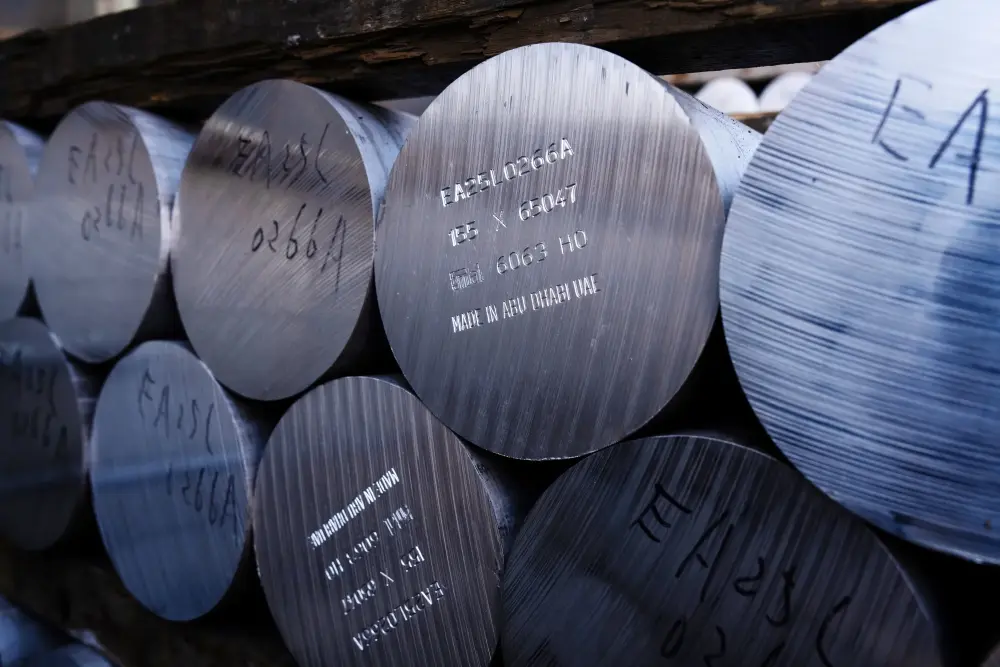
Reading Time : 2minutesAluminum markets are tightening as Middle East disruptions remove key supply and distort trade flows. China boosts exports while Indonesia accelerates production ambitions. Yet much of global inventory remains inaccessible, masking shortages. Prices climb as buyers compete for limited supply, highlighting deeper structural vulnerabilities in an increasingly fragmented and politically sensitive metals market.
Reading Time : 2minutesApple’s Q2 shattered records with $111B revenue, iPhone surge, China boom, and 10%+ R&D spend amid Cook’s exit. But beneath the triumph, what risks lurk in AI bets and leadership flux?
Reading Time : 2minutesSpirit Airlines has abruptly halted all flights and is exiting the market, leaving thousands of passengers stranded and employees jobless. The move follows years of financial strain, failed rescues, and a volatile fuel market that tipped the airline past the point of recovery, reshaping the competitive dynamics of U.S. air travel overnight.
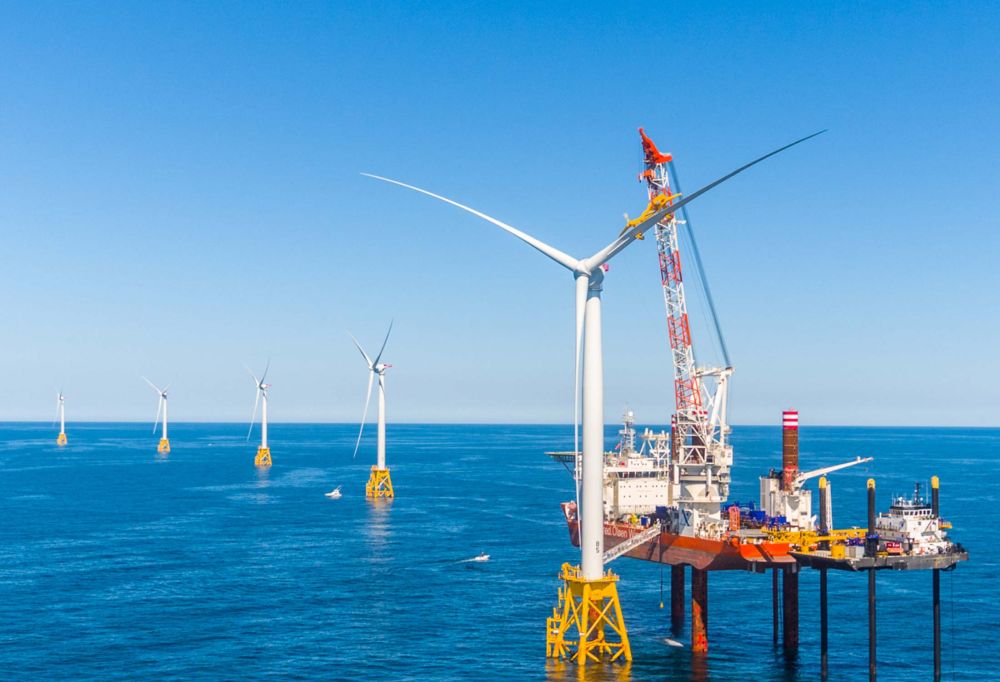
Reading Time : 3minutesNorthland Power expands its wind deal with TSMC, consolidating 1,022 MW from Hai Long offshore farm. As Taiwan races to renewables, questions linger on risks, costs, and true green impact amid AI-driven power demands.
Reading Time : 2minutesTencent unveils a 440MB offline translator for mobiles, using ternary quantization to pack 33 languages into your pocket. Privacy-focused and open-source, it rivals giants without internet. Is this the dawn of truly portable AI?
Reading Time : 2minutesIn-flight Wi-Fi evolves rapidly as Starlink claims 2 Gbps fleets and Amazon Leo gears for 1 Gbps launches. Airlines like Emirates, Delta, and JetBlue fuel the frenzy. Will shared bandwidth deliver? The skies above promise gigabit skies ahead.
Reading Time : 2minutesGlobal smartphone SoC shipments crashed 8% in Q1 2026 amid a memory crisis driving 50-85% price surges, hammering budget vendors while premiums hold firm. Analysts warn of double-digit declines ahead, with no relief until 2028.
Reading Time : 2minutesEVA Air stands firm against fuel doom, with 90%+ loads and record Q1 profits, but Q2 oil shocks loom large as surcharges fall short.
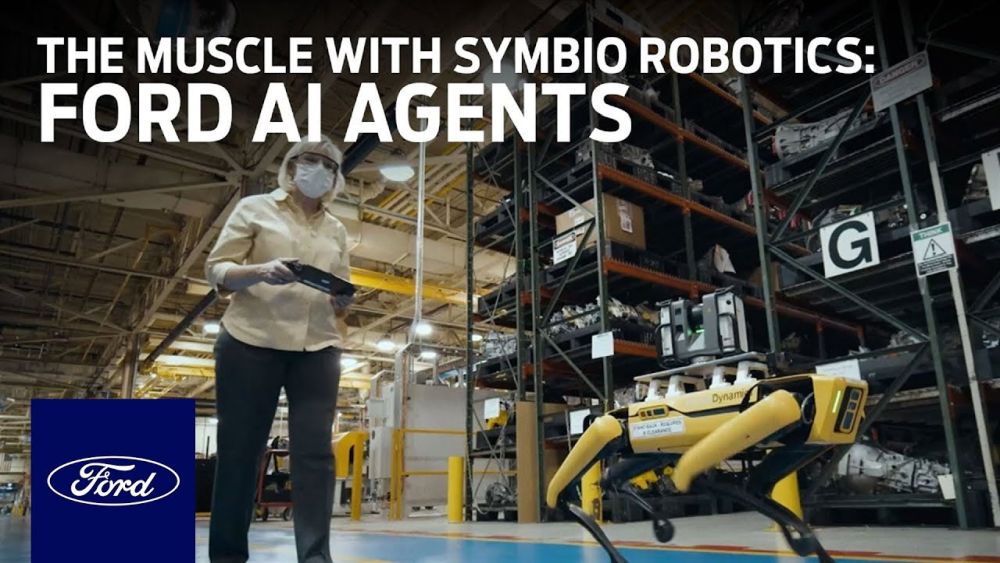
Reading Time : 2minutesFord data experts warn agentic AI is autonomously reshaping manufacturing, slashing downtime 40%, defects 30-50%, and costs significantly. Investigate how these decision-making agents optimize floors now.
Reading Time : 3minutesBroadcom deepens AI ties with Google and Anthropic via massive TPU deals through 2031, eyeing $100B revenue. Investors cheer, but questions linger on dependencies and control in the chip race.
Reading Time : 2minutesUber charges into Europe’s robotaxi era with Zagreb tests, Tesla FSD already live, and AV partnerships everywhere. Platform play unlocks autonomous scale without building from scratch.