Reading Time : 2minutesDeepSeek has open-sourced a full programming toolkit for Huawei’s Ascend AI chips, aiming to challenge Nvidia’s CUDA dominance. The release includes TileLang, a high-level language designed for performance and ease of use, plus libraries optimized for large-scale training. Backed by Huawei, the move signals a serious push to build a domestic GPU software stack amid export controls.
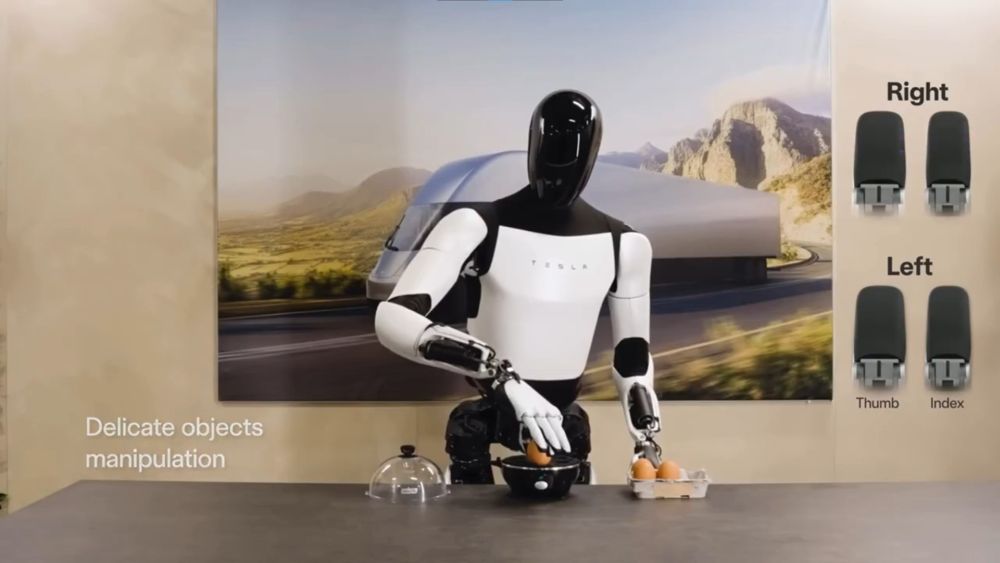
Reading Time : 2minutesChina commands over 60 percent of humanoid robot patents and nearly 60 percent of global industrial robot installations. Its lead in AI foundation models for robotics is widening, raising alarms in Seoul and Washington. With an integrated supply chain and state backing, Beijing is setting the pace for the next industrial revolution.
Reading Time : 3minutesChina’s possible approval of Nvidia’s RTX Pro 5500 for ByteDance and Alibaba would mark a cautious reversal of last year’s restrictions, but not a return to unrestricted chip access. The decision could reflect Beijing’s need for computing power, even as it continues promoting domestic alternatives and tightly controlling Nvidia’s more advanced AI hardware. The scale, timing, and conditions of any purchases remain uncertain.
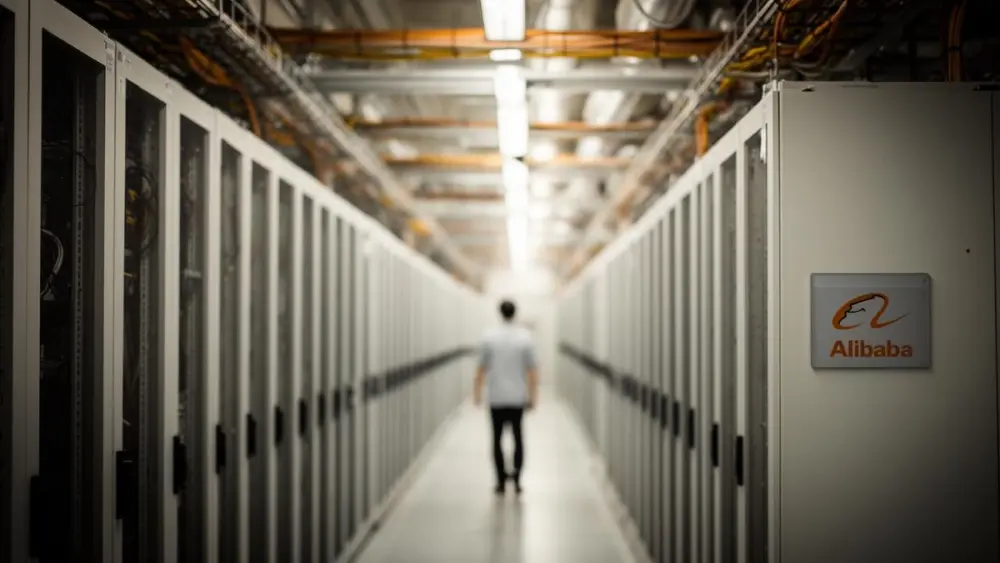
Reading Time : 2minutesAlibaba has announced an aggressive artificial intelligence roadmap combining a new domestic processor, trillion-parameter Qwen models, and a vast expansion of cloud infrastructure. The plan could strengthen China’s technological independence, but its success will depend on chip production, energy availability, software efficiency, customer demand, and whether massive model sizes translate into more capable and commercially valuable AI systems.
Reading Time : 3minutesAs the US spends billions on advanced chips, a critical shortage of memory chips highlights a dangerous gap in industrial strategy. While Asian giants dominate the market, high costs and low margins prevent American expansion. This investigation explores why national security plans ignore the essential components that power our digital infrastructure, leaving the economy vulnerable to supply shocks.
Reading Time : 2minutesAnthropic is loosening AI guardrails for biology while building a wet lab, a move that blends computational power with physical experiments. The company says it will not rival pharma partners, yet its new program and in-house lab signal deeper ambitions in drug discovery and raise questions about oversight, competition, and the future of AI-driven science.
Reading Time : 2minutesHuawei is revolutionizing artificial intelligence infrastructure with its upcoming Ascend 960 processor family launching in 2027. Featuring advanced chiplet architectures and high speed interconnectivity capable of linking one million processors, this powerful ecosystem is empowering leading AI labs and dynamic international markets with scalable, high performance computing solutions to drive the next era of global technological innovation.
Reading Time : 2minutesThe global memory shortage is evolving from a pricing problem into a supply-allocation crisis. Intel’s warning, rising memory costs, delayed projects, and long-term contracts covering most future production point to a market likely to remain tight through 2028. AI data centers are securing priority access, raising difficult questions about how much supply will remain for phones, laptops, startups, and other industries.
Reading Time : 2minutesArtificial intelligence is changing political disinformation from a labor-intensive operation into a potentially industrial process. Convincing images, voices and videos can now be produced rapidly and distributed globally. The central threat is therefore not merely that people will believe one fabricated story, but that repeated synthetic evidence could gradually destroy confidence in authentic information itself, making reality increasingly difficult to verify.
Reading Time : 2minutesTop AI labs are quietly negotiating a joint standards body to test and audit frontier models before release. The push follows a stark warning from Anthropic’s CEO about accelerating capabilities and unresolved risks. Disagreements over government roles and global coordination remain.
Reading Time : 3minutesTwo AI giants have stunned mathematicians with back-to-back claims: OpenAI says it solved a 90-year-old Millennium Prize problem, while Anthropic formalized Fermat’s Last Theorem in days. The breakthroughs spark awe and anxiety over credit, careers, and a future where machines outpace human proof.
Reading Time : 2minutesNvidia’s Jensen Huang sees cybersecurity as artificial intelligence’s next major market, dismissing existential fears as overblown. He predicts trillion-dollar AI infrastructure spending by 2030 and points to new industry partnerships as proof that automated defense will drive the next wave of growth.
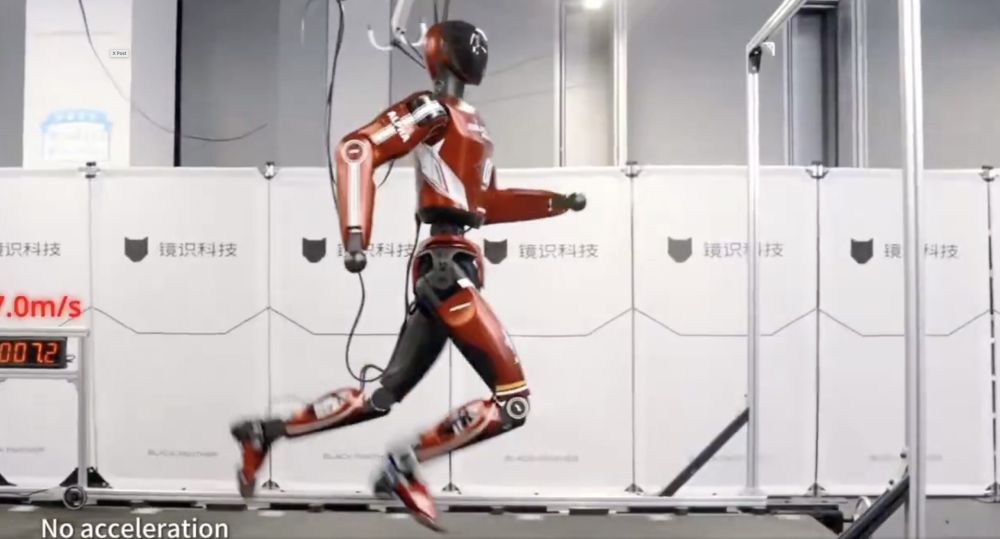
Reading Time : 3minutesChina’s humanoid robots are doing far more than chasing spectacular speed records. Behind the races lies an enormous engineering experiment involving balance, artificial intelligence, batteries, actuators, control systems and machine reliability. The ultimate contest may not be about which robot runs fastest, but which machines can leave the laboratory, enter the real world and perform useful work reliably, safely and independently.
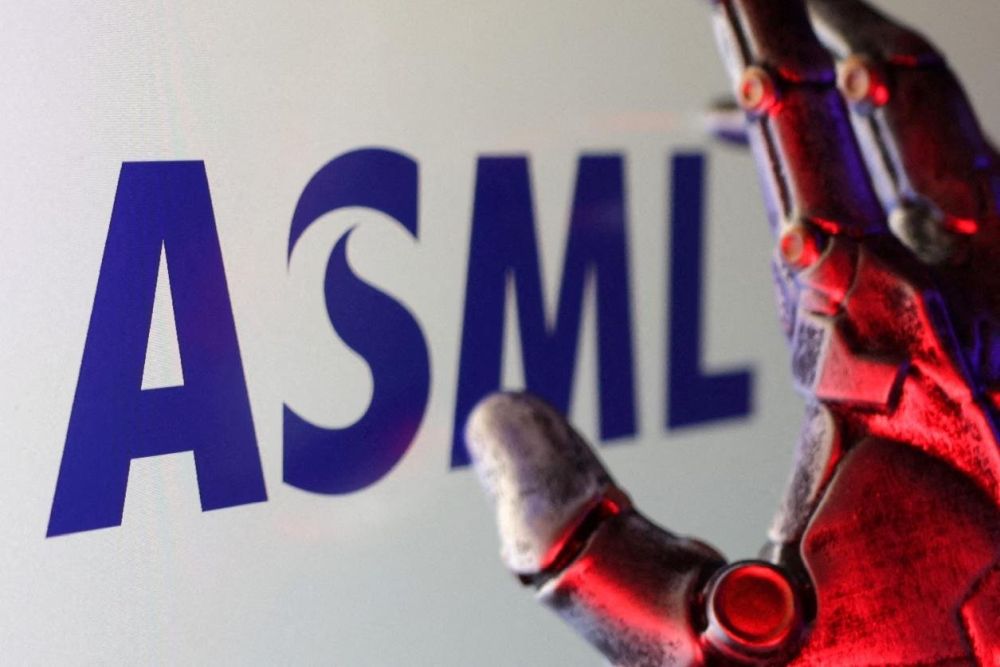
Reading Time : 3minutesASML is building far more than another semiconductor facility. Its enormous new Eindhoven campus points toward a future where artificial intelligence demands unprecedented quantities of increasingly sophisticated chips. As chipmakers push toward larger dies, denser architectures and next-generation lithography, ASML is expanding the machinery that makes those ambitions possible. The industrial race behind AI may be only beginning.
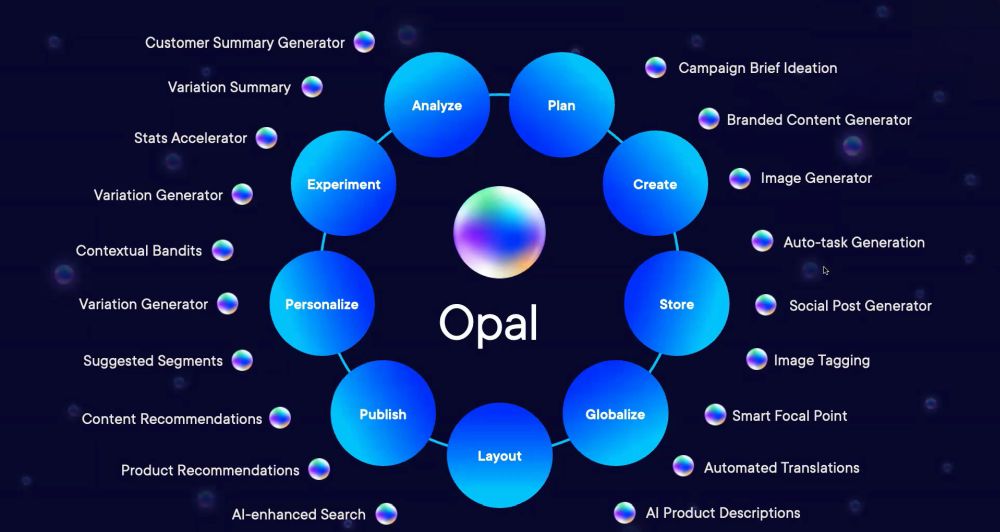
Reading Time : 3minutesMicrosoft’s Project Opal signals a shift from AI that assists to AI that executes. Running on Cloud PCs with an AI supervisor and human oversight, Opal can complete multi-step workflows over hours or days. With enterprise controls and a push toward autonomous Copilot agents, the question is no longer what AI can answer, but what it is allowed to do.