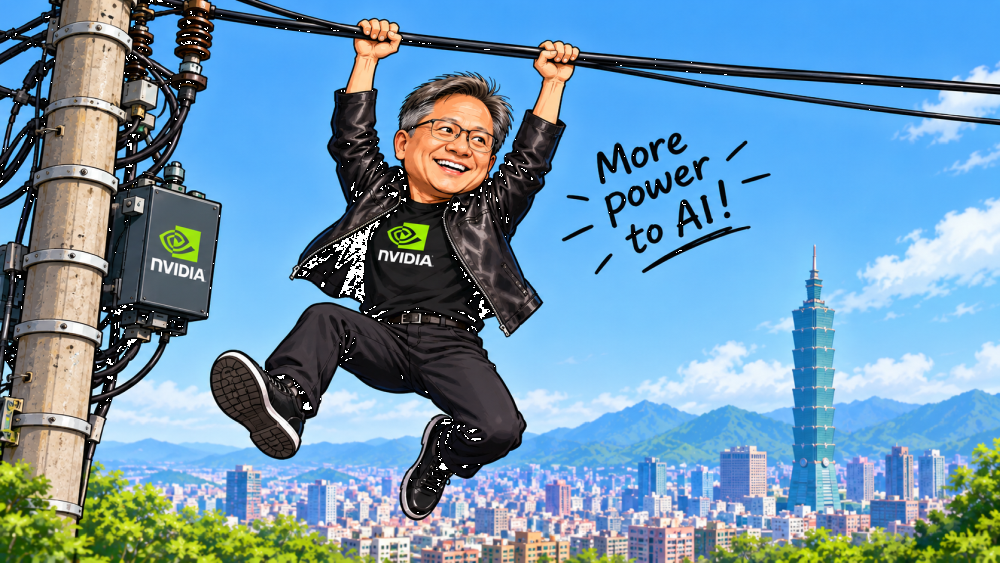
Reading Time : 3minutesJensen Huang argues that Nvidia GPUs could remain valuable for eight years or more, turning AI compute into collateral for data center financing. But as AI factories scale worldwide, electricity, grid access, cooling, and construction may matter even more than chip performance.
Reading Time : 2minutesBilibili has relaunched its international app, letting overseas creators register without government ID and potentially reach hundreds of millions of Chinese viewers through automatic translation. But behind the welcoming move lie unresolved questions about monetization, moderation, data protection, and the rules that will govern global content on a platform built for a very different audience.
Reading Time : 2minutesShanghai Fashion Week turned the city into a dazzling stage for self-expression, with more than 80 shows and a street scene alive with bold personal style. Local designers are reworking Chinese heritage into modern, globally minded fashion, creating a new visual identity that feels confident, inventive, and impossible to overlook.
Reading Time : 3minutesFrance’s borrowing costs have surged to a 24-year high as violent protests, a divided parliament and a looming presidential election collide. Deutsche Bank’s chief executive calls the situation concerning, warning that the bond market is exposing a wider problem: Europe’s second-largest economy must restore fiscal discipline without deepening political instability.
Reading Time : 3minutesOil is still leaving the Gulf, but the price of moving it has become extraordinary. Tanker freight from the Middle East to Asia now exceeds $37 per barrel, more than five times prewar levels, as congestion, rerouting and ship-to-ship transfers strain the global fleet. Asian refiners are feeling the squeeze first, with margins turning negative and few cheap alternatives left.
Reading Time : 3minutesTesla now says the first Cybercabs could reach customers by the end of 2026, but the company’s own executives suggest most will remain in Tesla’s hands. Meanwhile, unsupervised Full Self-Driving for private owners has slipped to around mid-2027, and only within limited Robotaxi zones. The promises are narrowing, even as the company talks about scale.
Reading Time : 2minutesNetflix reported 12% revenue growth, yet the quarter tells a more uneasy story. Viewing hours are slowing, subscribers appear stagnant in the United States, and the company has replaced key creative leaders while cutting about 1,000 jobs. Investors now want evidence that Netflix can still command attention in a crowded streaming market.
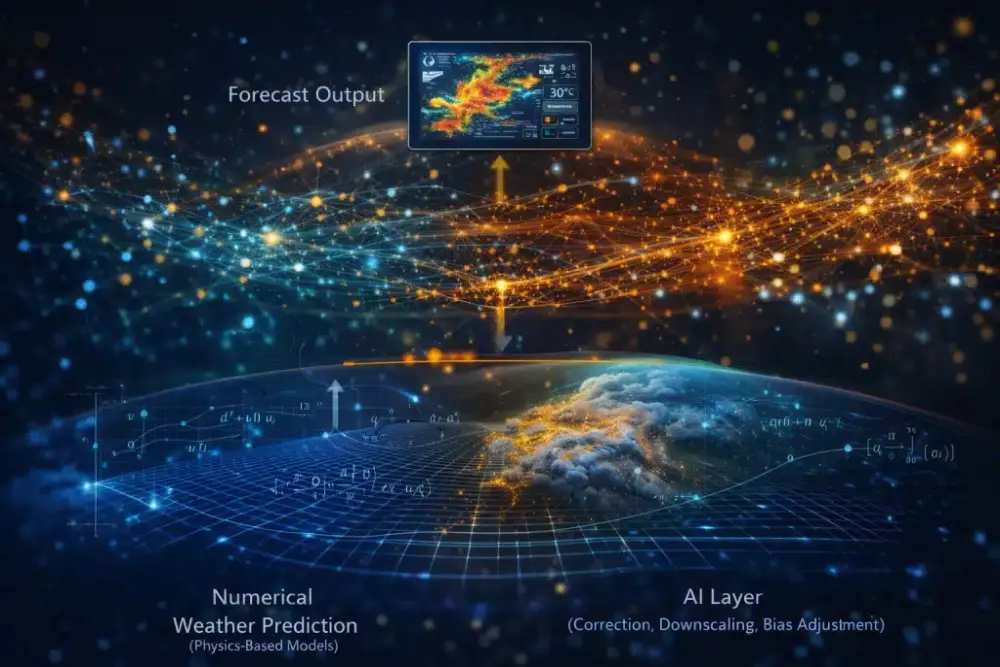
Reading Time : 3minutesAI weather forecasting is advancing quickly, but recent results show both promise and limits. A new bias-correction method improved long-range forecasts, while an AI model tracked a hurricane with remarkable precision yet misjudged its strength near landfall. The evidence suggests AI can sharpen forecasts, but human meteorologists remain essential when accuracy determines safety.
Reading Time : 2minutesAnthropic plans to place 5 percent of its shares into a new Public Benefit Fund, with the stake able to grow as the company’s valuation rises. The fund could support nonprofits, direct payments, and efforts to address AI’s impact on jobs. But its undisclosed baseline, governance, and spending rules leave key questions unanswered.
Reading Time : 3minutesTaiwan’s cocoa industry may be small, but its impact is outsized. From Pingtung’s shaded orchards to award-winning chocolate bars, farmers and makers have built a “Tree to Bar” movement defined by craftsmanship and traceability. This is a story of transformation, resilience, and the sweet possibility that even the smallest origin can achieve global recognition.
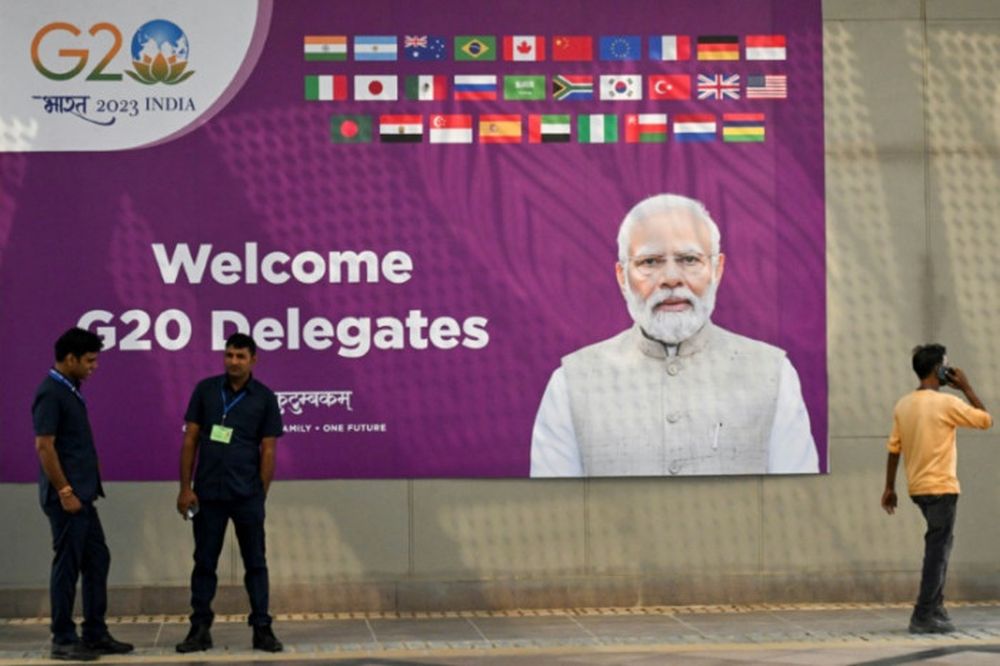
Reading Time : 2minutesAs G20 finance leaders gathered in Bangkok, the war involving Iran overshadowed every agenda item. With the Strait of Hormuz disrupted, oil prices elevated and inflation pressures mounting, officials confronted a fragmented global economy. Yet the meeting ended without a joint statement, exposing persistent divisions and raising questions about whether coordinated action can arrive before the damage deepens.
Reading Time : 3minutesJensen Huang has issued a blunt warning: artificial intelligence may become powerful and dangerous, and the United States and China cannot manage that risk alone. His call for direct dialogue between governments and researchers lands amid rising tech rivalry, export controls, and a new British push to fund AI safety research.
Reading Time : 2minutesAsia is slowing, but artificial intelligence is cushioning the decline. Africa’s growth is edging higher even as inflation rises, while the Middle East faces a war-driven contraction. The latest regional outlooks show how energy shocks, technology investment and conflict are reshaping growth across three very different parts of the world economy.
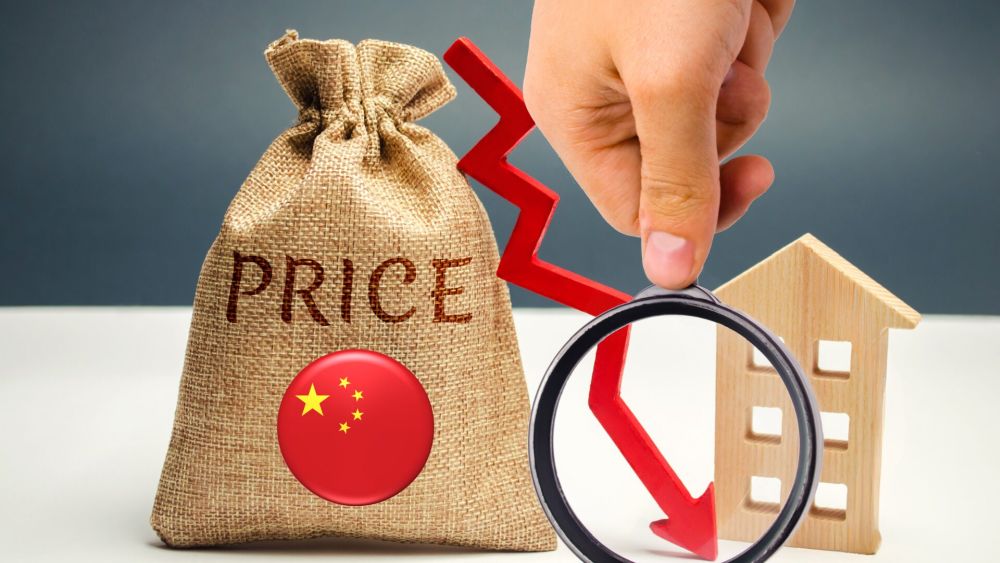
Reading Time : 3minutesChina’s factory-gate prices rose 5% in September, the fastest pace since 2022, driven by oil, coal and other commodity costs. Yet consumer inflation remained subdued at 0.9%, exposing a widening gap between industrial costs and household spending power. The question now is whether stronger factory activity can finally reach wages, jobs and everyday demand.
Reading Time : 2minutesIntel and Broadcom’s chief executives say the AI boom may face a constraint more serious than chip shortages: capital. As data centers, processors and energy infrastructure demand vast investment, the industry must prove that its spending can generate returns. Demand remains strong, but financing costs, talent shortages and speculative valuations could decide how far the AI buildout can go.