
Alibaba has taken a decisive step that could reshape the balance of power in AI computing, unveiling an open source software stack for its Zhenwu series chips at Shanghai’s World Artificial Intelligence Conference. The release is not just technical housekeeping. It is a calculated attempt to loosen Nvidia’s long held control over the AI developer ecosystem, where proprietary tools have quietly dictated how models are built and deployed.
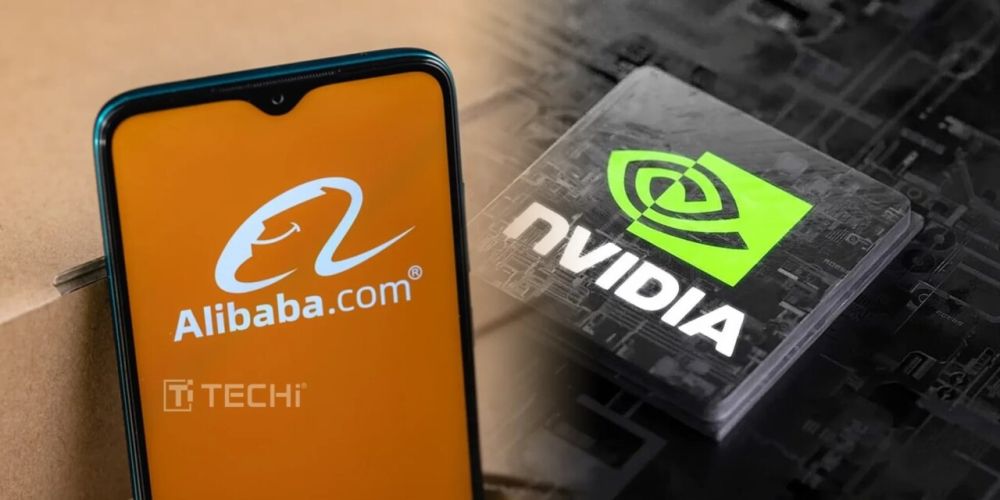
At the center of this move is T-Head SAIL, a full stack environment that spans everything from low level drivers to developer interfaces. Designed specifically for Zhenwu accelerators, the platform promises tight integration and performance gains that Alibaba claims already resonate with hundreds of enterprise users. The company is betting that accessibility, not just raw compute power, will determine which chips developers choose in the next phase of AI expansion.
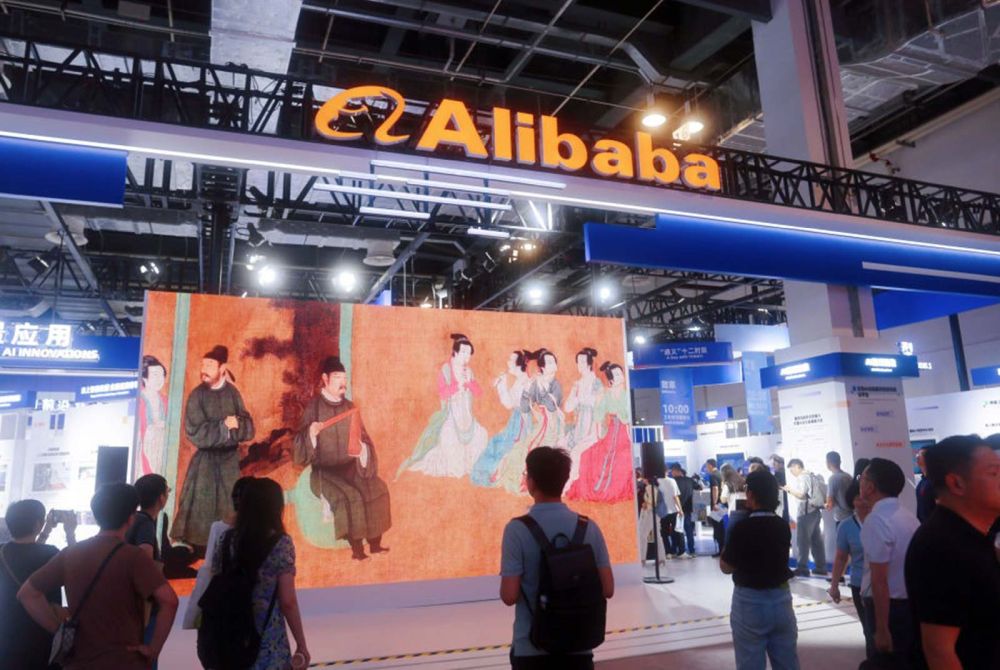
This effort does not stand alone. Across China, chipmakers are aligning around a shared objective to reduce reliance on CUDA and create interchangeable software layers. Huawei and others have already introduced competing frameworks, while industry alliances are working to standardize how AI models move across different hardware. The strategy suggests a broader push to build a parallel ecosystem that can operate independently of Western infrastructure.

Yet the road ahead is uncertain. Nvidia’s advantage lies not only in hardware but in a deeply entrenched developer community that has grown over decades. Open sourcing a stack may lower entry barriers, but it does not guarantee adoption. The real test will be whether developers outside China see enough stability, performance, and long term support to justify switching away from familiar tools.

#AI #Alibaba #Nvidia #Semiconductors #OpenSource #ChinaTech #AIChips