Reading Time : 2minutesChina’s home prices have fallen for 29 straight months, underscoring a prolonged housing slump. Oversupply, weak demand, and fading confidence continue to pressure both new and resale markets. While policymakers aim to stabilize conditions, the era of property-led growth appears over, reshaping household wealth, consumption, and China’s broader economic trajectory.
Reading Time : 2minutesMachine learning and AI could add up to 15 percentage points to global growth by 2035, but the payoff depends on responsible deployment, new business models, and managing impacts on energy, skills, and equitable access.
Reading Time : 2minutesSilver has surged past sixty dollars an ounce for the first time, driven by a supply squeeze, strong industrial demand, and expectations of lower interest rates. Investors are turning to the metal both as a safe haven and as a play on technology growth, pushing prices far beyond this year’s earlier highs and reshaping the precious-metals landscape.
Reading Time : 2minutesThe U.S. has decided to let Nvidia sell its H200 AI chips to selected customers in China, reopening part of a market that was blocked by earlier export controls. Washington will take a share of the revenue, while China gains access to hardware it struggled to replace. The move reshapes commercial, political, and technological dynamics across the Pacific.
Reading Time : 2minutesAsian borrowers are increasingly turning to euro-denominated debt as funding costs improve and reliance on the U.S. dollar feels riskier. Companies and governments across the region issued record levels of euro bonds this year, reflecting both economic strategy and geopolitical caution. The shift marks a gradual move toward more balanced, multipolar financing options on global markets.
Reading Time : 3minutesGlobal trade and capital flows soared before 2008, driven by liberalization and technology. Since then, geopolitical tensions, the financial crash, and the pandemic have triggered “slowbalisation”. Cross-border investment and trade are shrinking relative to GDP, marking a reversal of integration.
Reading Time : 2minutesRecent rumors suggest NVIDIA is stopping VRAM supplies to partners, forcing independent sourcing amid AI-driven DDR5 demand. This could lead to shortages, higher costs for AIBs, and price hikes for gamers, favoring enterprise over consumers. Unverified but critical, it highlights shifting priorities in tech.
Reading Time : 2minutesPayPal’s stock dipped after its CFO warned that the company’s core checkout business may grow more slowly this holiday season. The comments raised concerns about weaker consumer spending, even though PayPal kept its overall forecast unchanged. Other services like Venmo and Buy Now Pay Later remain bright spots, but investors reacted to the softness in its main revenue driver.
Reading Time : 2minutesSome experts now argue that AI will not trigger a wave of job losses but instead create a shortage of skilled workers. As automation expands, industries struggle to find people who can manage, supervise, and integrate advanced systems. Rather than eliminating humans, AI seems to be reshaping work toward higher-skill roles, leaving gaps companies can’t easily fill.
Reading Time : 2minutesThe new $250 U.S. visa fee is stirring frustration among international travelers, sparking bold headlines that talk about “chaos” in American cities. The reality is less dramatic but still worrying, with tourism-dependent regions bracing for a slowdown. The fee is pushing many visitors to reconsider their plans, raising questions about how this policy will reshape the travel economy.
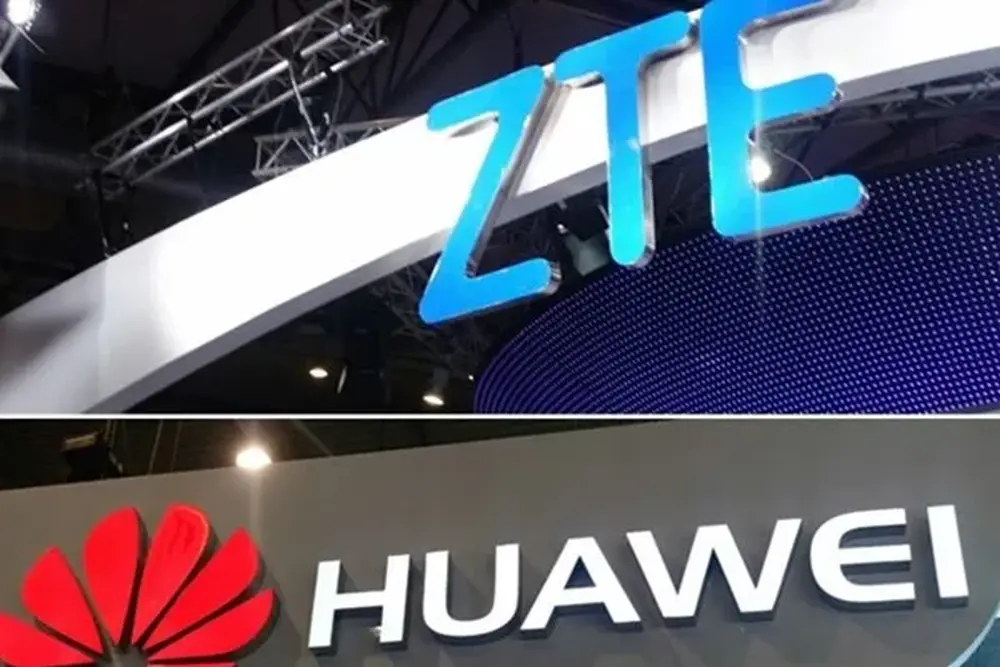
Reading Time : 3minutesVietnam has signed more than forty million dollars’ worth of 5G contracts with Huawei and ZTE, signalling a shift toward Chinese suppliers after tensions with the United States. The deals mark a strategic recalibration that raises concerns among Western partners while Vietnam accelerates its nationwide 5G rollout and experiments with flexible, open-architecture networks.
Reading Time : 2minutesJapan’s FAST project is moving fast, completing its conceptual design in just a year and uniting major companies and universities behind a compact tokamak aimed at 50 MW of fusion output. With strong private funding and engineering design underway, the team targets first plasma in 2035, placing Japan as a serious contender in the global fusion push.
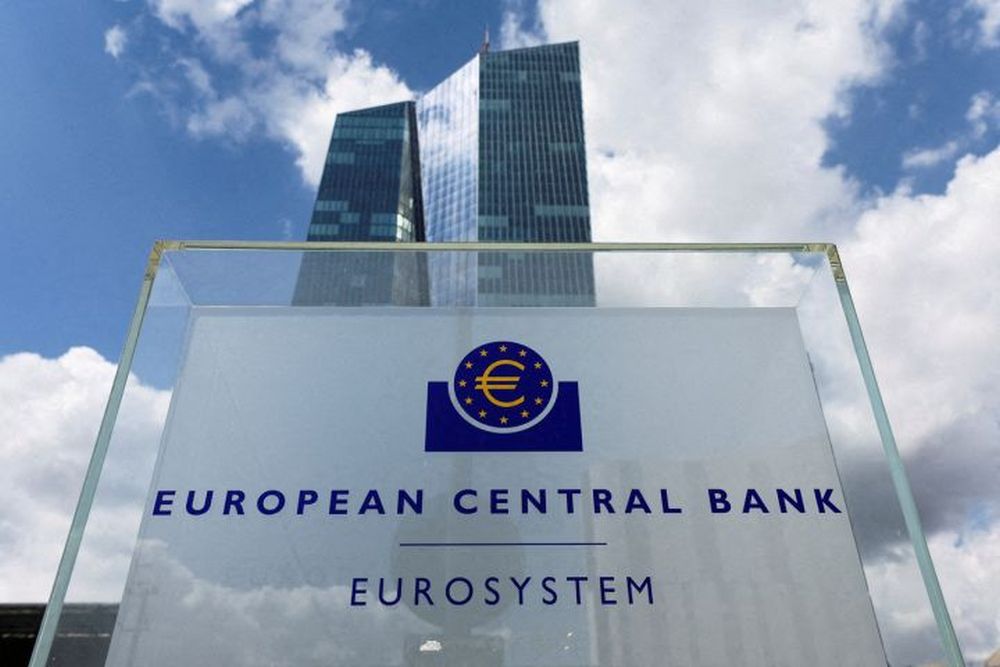
Reading Time : 2minutesThe ECB is warning eurozone banks to brace for a wave of unusual and persistent risks driven by geopolitics, climate events, shifting trade dynamics and rapid technological change. While banks remain well-capitalized, vulnerabilities linked to dollar funding and market volatility could trigger pressure. The ECB urges stronger buffers and tighter risk controls to withstand potential shocks.
Reading Time : 2minutesAnthropic released a study estimating how much current AI tools could boost economic productivity by analyzing real user conversations with Claude. Their findings suggest meaningful efficiency gains, though based on optimistic assumptions about how saved time is used. The report hints at a future where AI becomes a measurable driver of growth, yet still faces real-world limits.
Reading Time : 2minutesMeta is moving beyond traditional energy contracts and entering the electricity trading market to secure enough power for its rapidly expanding AI infrastructure. By creating a new subsidiary, signing nuclear deals, and investing in geothermal projects, the company aims to control its energy supply more directly and reduce the risks of rising demand and unstable grids.