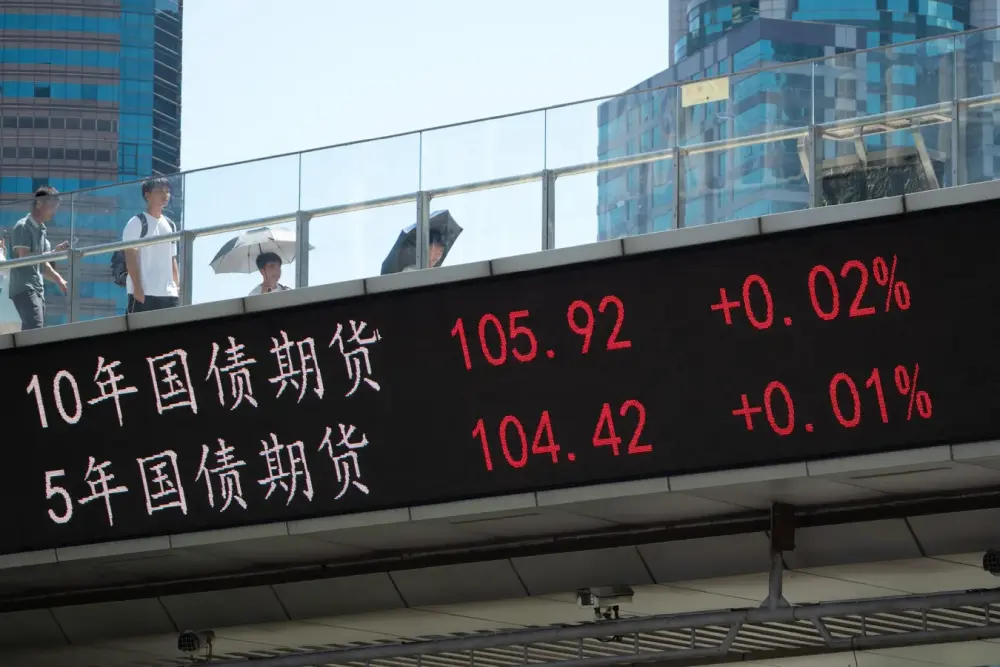
Reading Time : 2minutesGlobal bond chaos from Iran-fueled oil spikes hammers Western yields, but China’s bonds hold firm at 1.84 percent. Is this the rise of RMB as the new safe haven, dethroning U.S. Treasuries amid debt woes and diversification demands? A potential financial power shift unfolds.
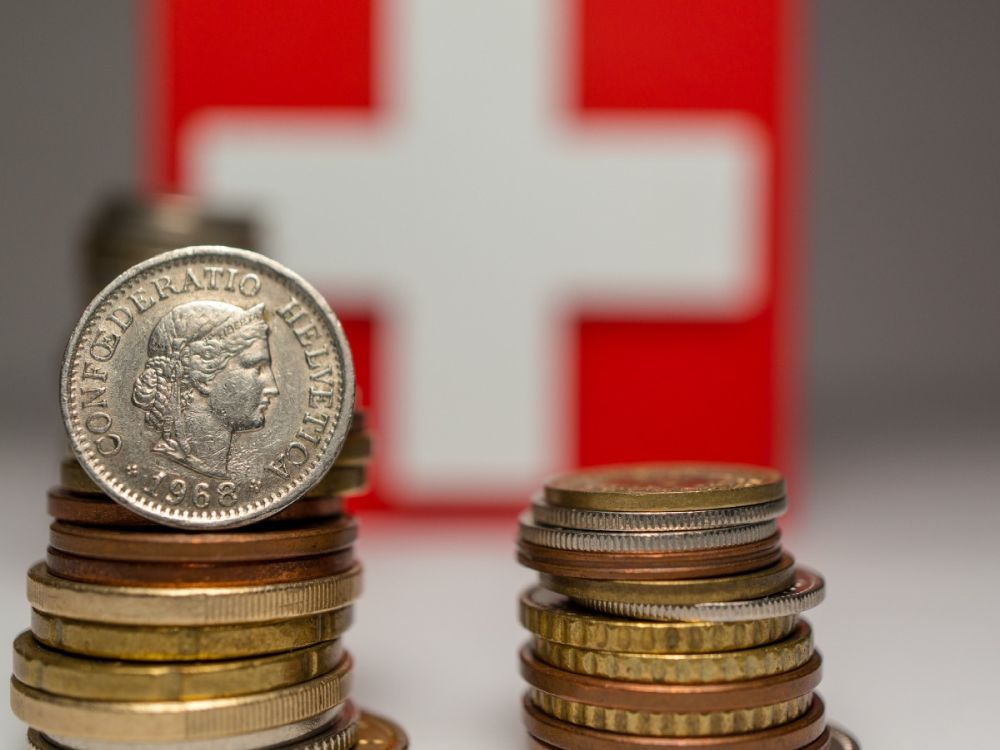
Reading Time : 2minutesWall Street predicts a 17% Swiss franc surge against a faltering dollar, fueled by safe-haven frenzy and U.S. turmoil. Hedge funds bet big amid SNB restraint, but exporters cry foul. Is this the franc’s breakout moment, or a central bank trap waiting to snap?
Reading Time : 2minutesEurope defies Wall Street with record inflows and surging optimism, but strategist warnings signal potential peaks amid widening valuation gaps and AI risks.
Reading Time : 2minutesA Supreme Court ruling has shaken global trade by declaring key presidential tariffs unlawful. The decision challenges executive power, opens the door to massive refund claims, and injects uncertainty into supply chains worldwide. Businesses and consumers now face a volatile transition as policymakers rethink how far emergency authority can stretch in economic warfare. The stakes remain high for all involved.
Reading Time : 2minutesByteDance and Alibaba unleash AI image models rivaling Google, with web search and top benchmarks igniting a fierce global contest. Efficiency gains and real-time smarts challenge Western leads— is China’s tech surge unstoppable?
Reading Time : 2minutesChina is steadily advancing its renminbi as a global currency, raising questions about the future balance of financial power. While the US dollar still dominates, Beijing’s patient strategy suggests a slow transformation rather than a sudden challenge. The real story lies in how influence, trust, and long-term positioning could quietly reshape global finance.
Reading Time : 2minutesTikTok’s U.S. operations have shifted to a majority American ownership structure, but questions linger about data control, algorithm influence, and lingering ties to China. Users and lawmakers are closely watching how this deal will reshape content, privacy, and the app’s role in U.S. tech policy.
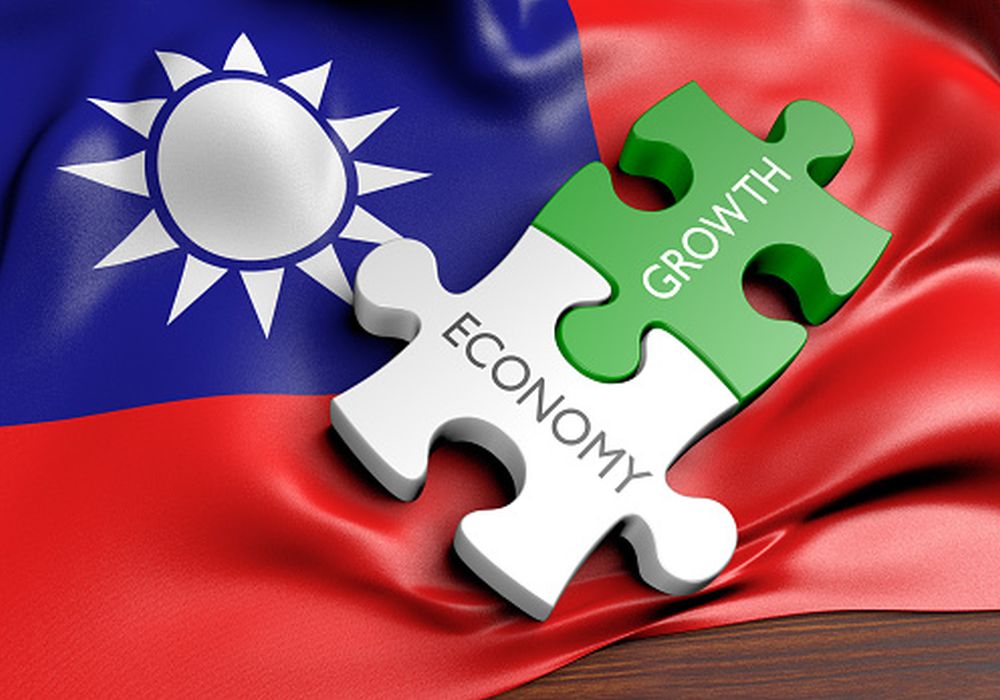
Reading Time : 2minutesTaiwan merges four state asset firms into a $12B powerhouse to challenge Asia’s wealth giants. Is this diversification masterstroke or risky consolidation? Unpacking the motives and hurdles ahead
Reading Time : 2minutesChina’s Unitree shipped 5,500+ humanoid robots in 2025, crushing US rivals at ~150 units each. With 80% global dominance, Beijing’s factories surge ahead while America lags. Explosive growth looms—will the West wake up before it’s too late?
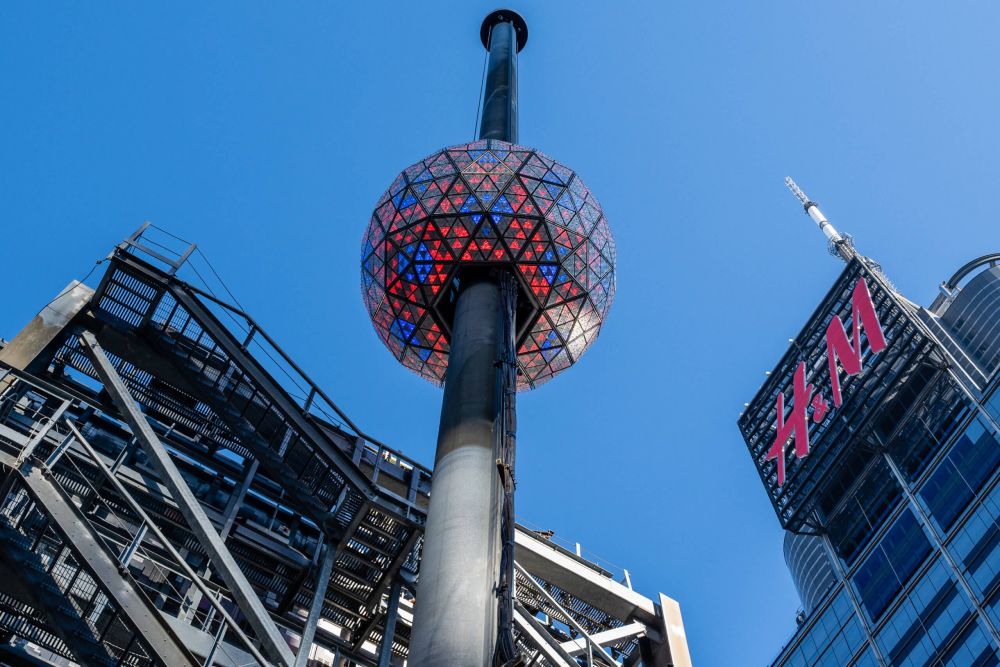
Reading Time : 2minutesFor more than a century, the Times Square ball drop has marked the final seconds of the year. Born from a simple idea, it became a global ritual of pause and renewal. As the ball descends, millions share the same moment, reflecting on what passed and quietly stepping into what comes next.
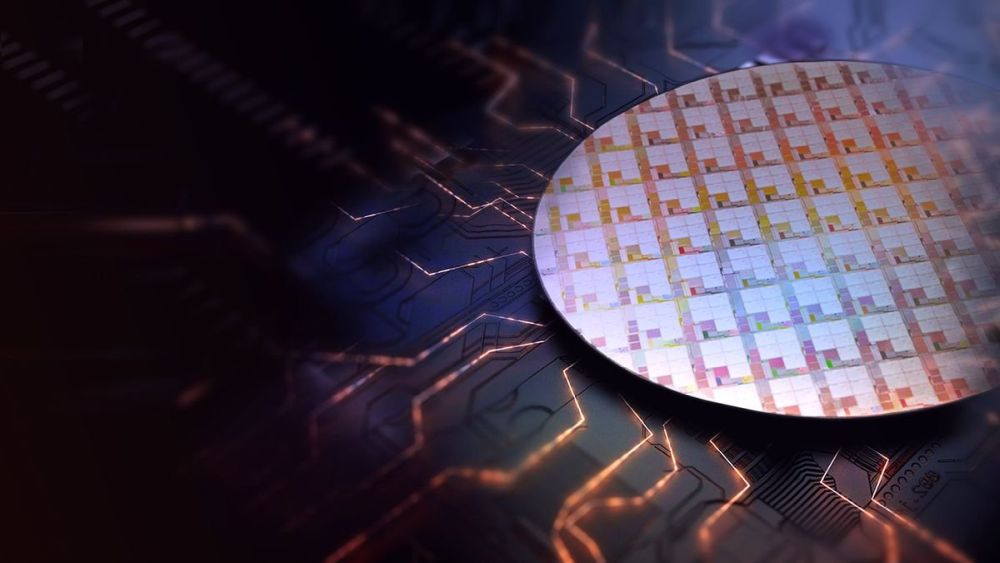
Reading Time : 3minutesChina has achieved a historic milestone by developing a working prototype of extreme ultraviolet lithography technology, challenging the global monopoly on advanced chipmaking. This monumental feat of engineering, driven by a massive mobilization of talent and resources, marks a shift toward technological independence. With a bold 2028 target for chip production, this breakthrough signals a more vibrant and competitive future.
Reading Time : 2minutesNasdaq is proposing a shift toward nearly 24-hour weekday trading, reflecting growing global demand and changing investor habits. The move could allow faster reactions to news and closer alignment with international markets, while also raising questions about liquidity, volatility, and operational costs. If approved, it would reshape how and when U.S. stocks trade.
Reading Time : 2minutesWall Street banks are increasingly aligned around one idea: the U.S. dollar may weaken in the coming years. With expected interest rate cuts, shifting global growth, and changing capital flows, the long-standing strength of the dollar could give way to a more balanced currency landscape, reshaping trade, investments, and market strategies worldwide.
Reading Time : 2minutesThe U.S. has decided to let Nvidia sell its H200 AI chips to selected customers in China, reopening part of a market that was blocked by earlier export controls. Washington will take a share of the revenue, while China gains access to hardware it struggled to replace. The move reshapes commercial, political, and technological dynamics across the Pacific.
Reading Time : 2minutesThe new $250 U.S. visa fee is stirring frustration among international travelers, sparking bold headlines that talk about “chaos” in American cities. The reality is less dramatic but still worrying, with tourism-dependent regions bracing for a slowdown. The fee is pushing many visitors to reconsider their plans, raising questions about how this policy will reshape the travel economy.