Reading Time : 3minutesChina’s factory-gate prices rose 5% in September, the fastest pace since 2022, driven by oil, coal and other commodity costs. Yet consumer inflation remained subdued at 0.9%, exposing a widening gap between industrial costs and household spending power. The question now is whether stronger factory activity can finally reach wages, jobs and everyday demand.
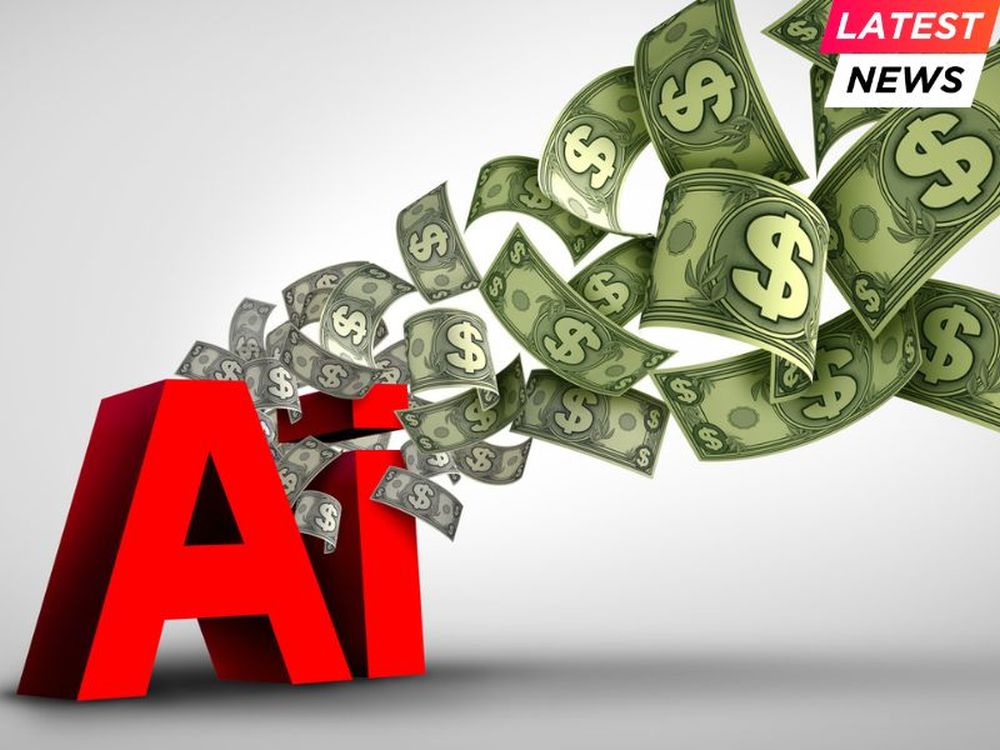
Reading Time : 2minutesIntel and Broadcom’s chief executives say the AI boom may face a constraint more serious than chip shortages: capital. As data centers, processors and energy infrastructure demand vast investment, the industry must prove that its spending can generate returns. Demand remains strong, but financing costs, talent shortages and speculative valuations could decide how far the AI buildout can go.
Reading Time : 2minutesAI is changing more than software. It is redrawing the strategic map of the US-China rivalry, turning chips, models, data, and markets into instruments of power. As Washington restricts access and Beijing expands its reach, both sides face an uncomfortable truth: technological dependence can become leverage for the rival it was meant to contain.
Reading Time : 3minutesThe World Bank is in talks with 30 to 40 countries over possible emergency support as war-driven energy, diesel, and fertilizer costs strain developing economies. President Ajay Banga says up to $100 billion could be made available. The real test is whether rising debt, food insecurity, and climate risks will push more nations to seek help.
Reading Time : 2minutesTSMC’s record third-quarter revenue has strengthened the case that AI demand remains robust, but the most important evidence may come on Oct. 15. Investors will examine margins, capital spending, advanced-node production and overseas expansion plans for signs of whether the current semiconductor boom can continue. The company’s next guidance could matter more than its latest record.
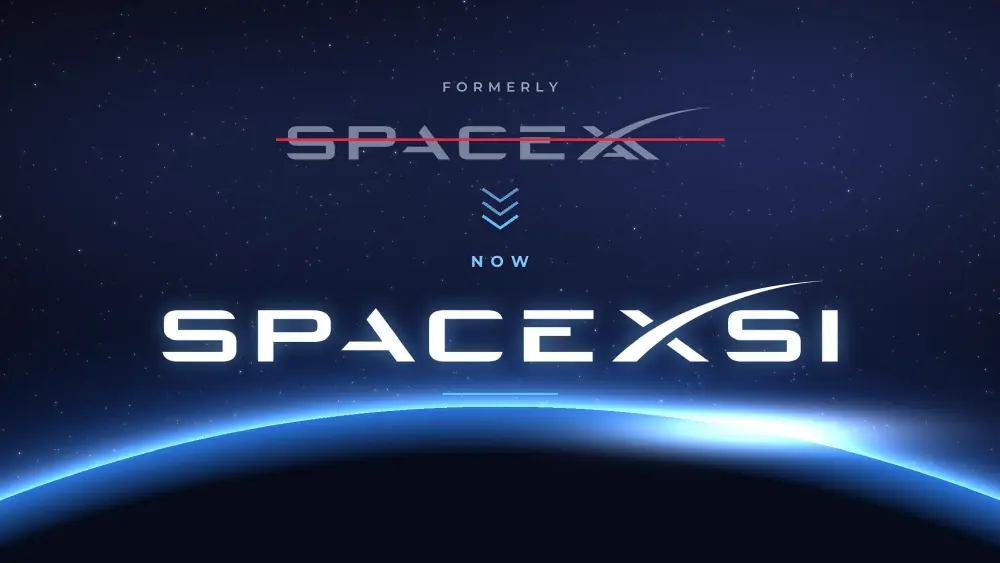
Reading Time : 2minutesElon Musk says SpaceXAI will become SpaceXSI, adopting President Trump’s federal push to call artificial intelligence “Super Intelligence.” The rebrand would be the company’s third name this year, though Musk has offered no timeline or details. It is a strikingly confident move: rename the technology first, and let actual superintelligence catch up whenever it feels ready.
Reading Time : 2minutesA 900-year-old English legend of a naked horseback ride through Coventry’s medieval streets has an unlikely and surprisingly sweet ending. In 1926, a Brussels family kitchen gave the myth a gilded box, and Lady Godiva became the world’s most recognized chocolate brand , proving that even the boldest of legends can find their most surprising home inside a single Belgian praline.
Reading Time : 2minutesArtificial intelligence investment is racing ahead at a pace unseen in past tech booms, yet the revenue needed to justify it remains out of reach. Analysts warn of a multi-trillion dollar gap and doubt whether productivity gains can close it in time.
Reading Time : 2minutesJewelry can still be a wonderful long term asset when you choose wisely. Gold pieces with simple designs and low premiums offer the strongest staying power. Diamonds tell a different story, yet exceptional stones remain special. Let us explore where lasting value truly lives.
Reading Time : 3minutesRare wine and premium spirits have emerged as some of the strongest alternative investments of the past decade, with major auction houses reporting record-breaking sales and prices climbing well beyond traditional asset classes. A fresh wave of younger, global collectors is driving demand, turning the pursuit of exceptional bottles into a truly thrilling and exciting new investment frontier for all.
Reading Time : 2minutesSotheby’s will sell twelve Impressionist and post-Impressionist masterpieces from a reclusive Argentine collection in New York this November. Led by a rare Van Gogh and a museum-quality Cézanne, the sale could set new auction records and reshape the market for blue-chip art.
Reading Time : 2minutesDeepSeek has open-sourced a full programming toolkit for Huawei’s Ascend AI chips, aiming to challenge Nvidia’s CUDA dominance. The release includes TileLang, a high-level language designed for performance and ease of use, plus libraries optimized for large-scale training. Backed by Huawei, the move signals a serious push to build a domestic GPU software stack amid export controls.
Reading Time : 3minutesChina’s possible approval of Nvidia’s RTX Pro 5500 for ByteDance and Alibaba would mark a cautious reversal of last year’s restrictions, but not a return to unrestricted chip access. The decision could reflect Beijing’s need for computing power, even as it continues promoting domestic alternatives and tightly controlling Nvidia’s more advanced AI hardware. The scale, timing, and conditions of any purchases remain uncertain.
Reading Time : 2minutesIn a bold move that could reshape the gold mining landscape, Gold Fields has approached Northern Star Resources about a potential $22 billion acquisition. Northern Star’s rejection may not be the final word, as operational struggles and activist investor pressure leave the Australian miner vulnerable. For Gold Fields, the pursuit reflects a clear strategy of expansion through consolidation in a high-price gold environment.
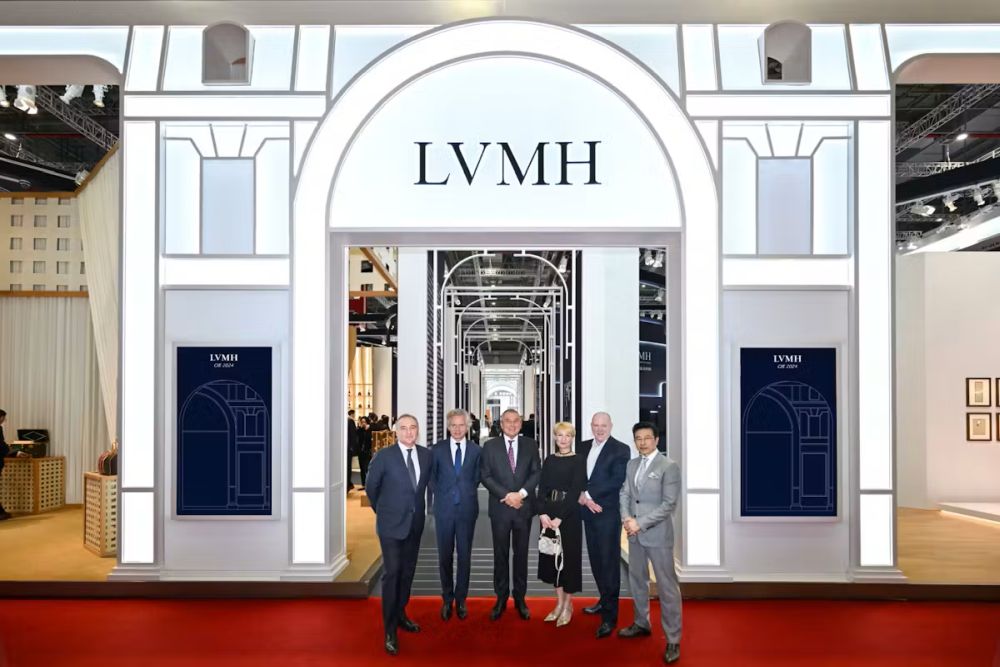
Reading Time : 3minutesThe Arnault family’s planned merger of Agache and Christian Dior would place nearly half of LVMH’s share capital and more than 65 percent of its voting rights under one listed entity. The structure offers minority Dior shareholders a cash exit, but no forced buyout, while preserving the family’s influence and raising important questions about succession, governance, and control.