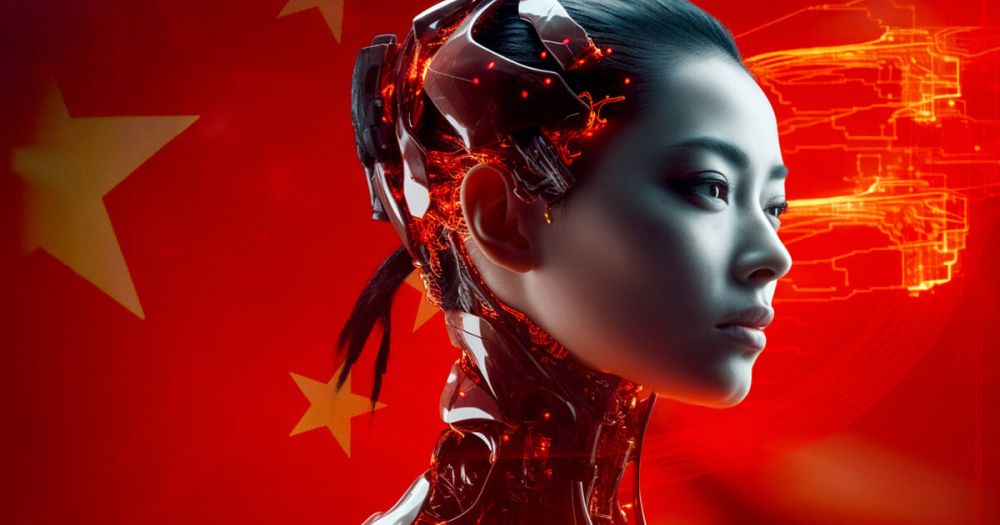
Reading Time : 2minutesByteDance and Alibaba unleash AI image models rivaling Google, with web search and top benchmarks igniting a fierce global contest. Efficiency gains and real-time smarts challenge Western leads— is China’s tech surge unstoppable?
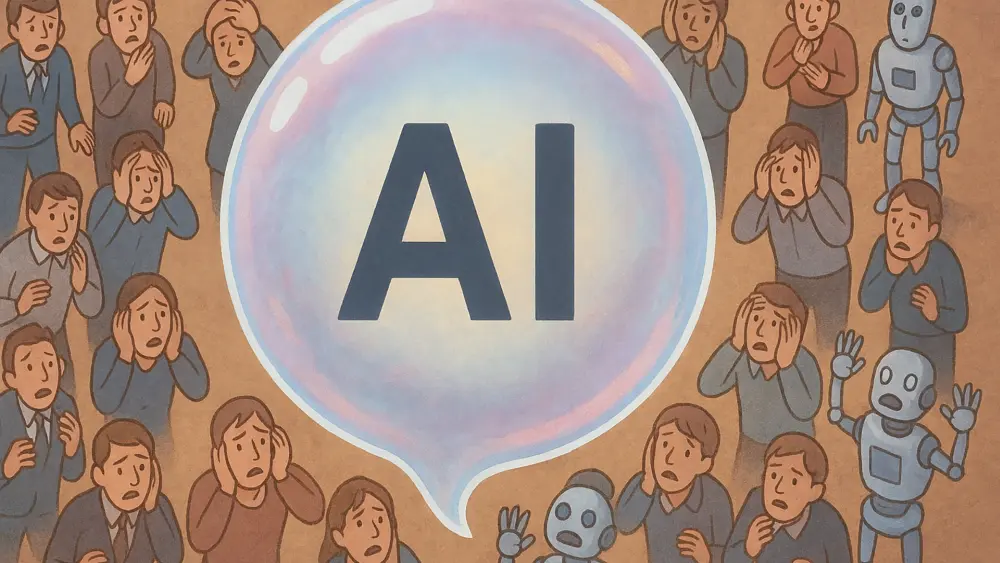
Reading Time : 2minutesStandard Chartered’s AI Bubble Meter debuts amid frothy valuations, flashing modest upside signals. But is it a genuine risk gauge or a wealth management lure targeting Asia’s elite? Probe the fine print as AI frenzy meets market jitters.
Reading Time : 2minutesYouTube’s $60B 2025 revenue tops Netflix, fueled by subs hitting 325M users. But ad growth slows, capex doubles—sustainable or shaky? AI and Shorts power ahead amid streaming wars.
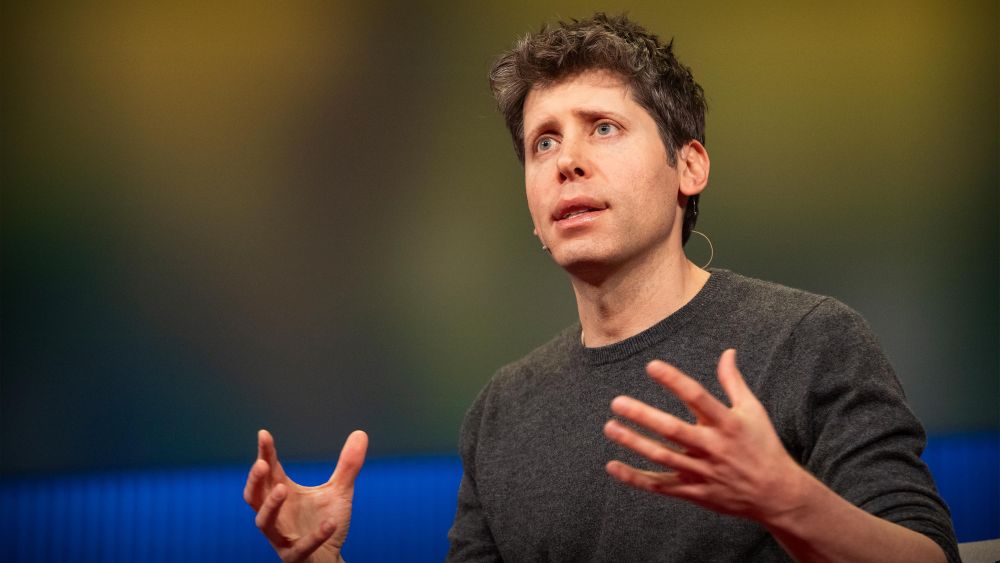
Reading Time : 2minutesSam Altman calls Moltbook hype a fad but hails agent AI’s shift to action. Security scares reveal data leaks and exploits in the bot rush.
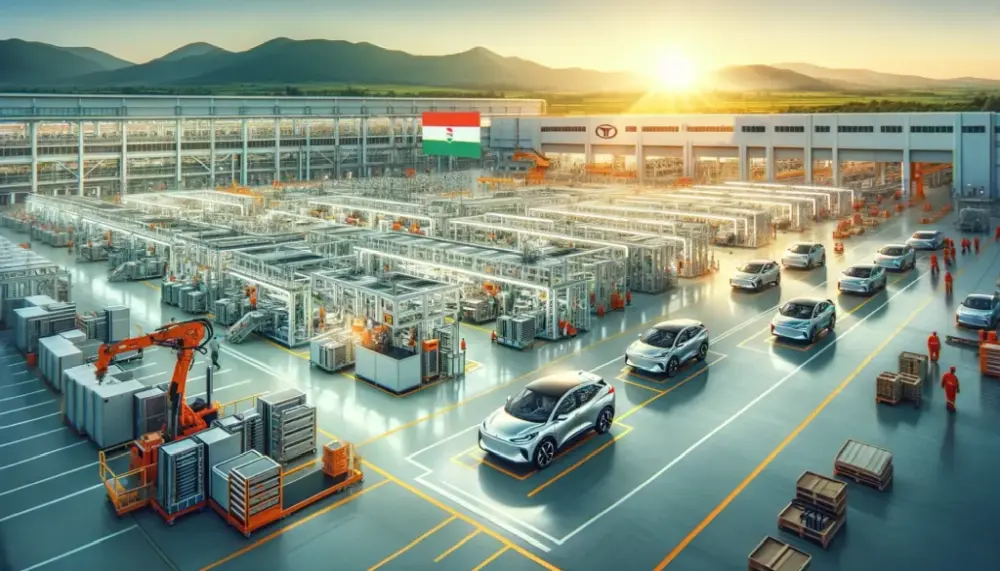
Reading Time : 2minutesBYD’s quiet launch of trial production at its new Hungary plant raises sharp questions about the future of Europe’s car industry. By building inside the EU, the Chinese EV giant neatly sidesteps rising tariffs while locking in local jobs and capacity. Is this just smart strategy, or the first step in a deeper realignment of global auto power?
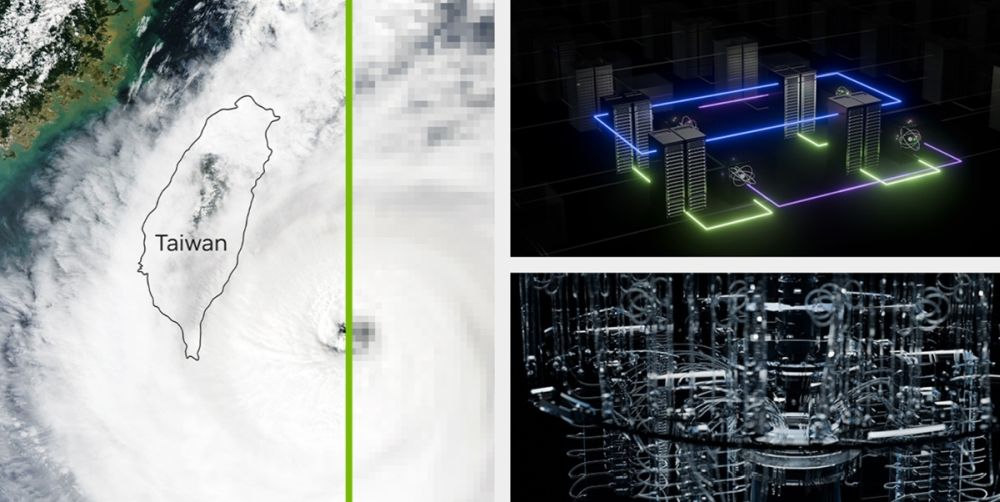
Reading Time : 2minutesTaiwan’s Central Research Academy debuts 20-qubit quantum computer with 530μs coherence via semi-inspired fabs. Open to researchers; global workshop ahead. Pivotal for quantum supremacy.
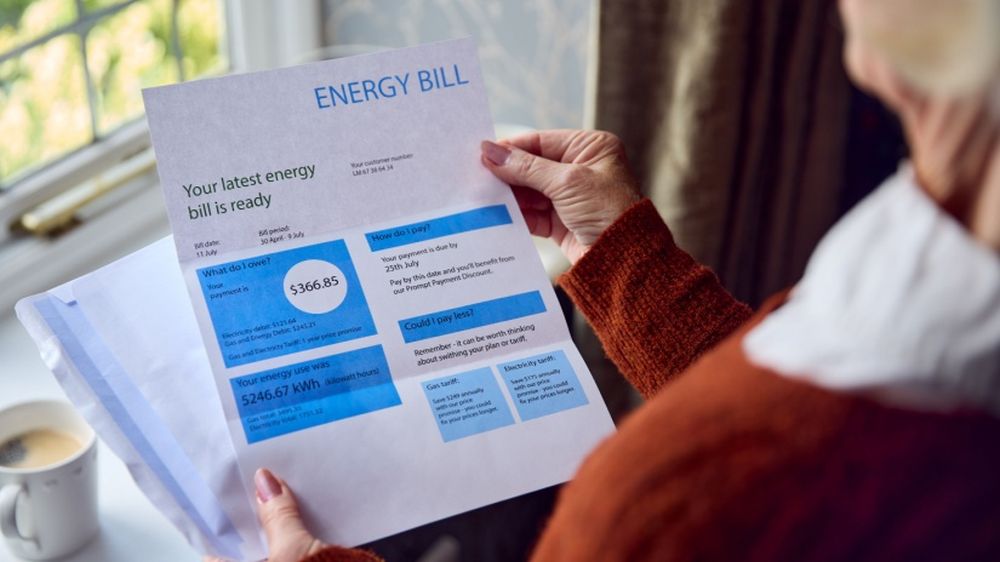
Reading Time : 2minutesAI data centers are driving a surge in electricity demand that is reshaping power grids and consumer bills. As utilities race to expand capacity, households are often left paying higher prices without clear explanations. The debate is intensifying over whether tech giants should absorb more of the costs of their energy-hungry infrastructure.
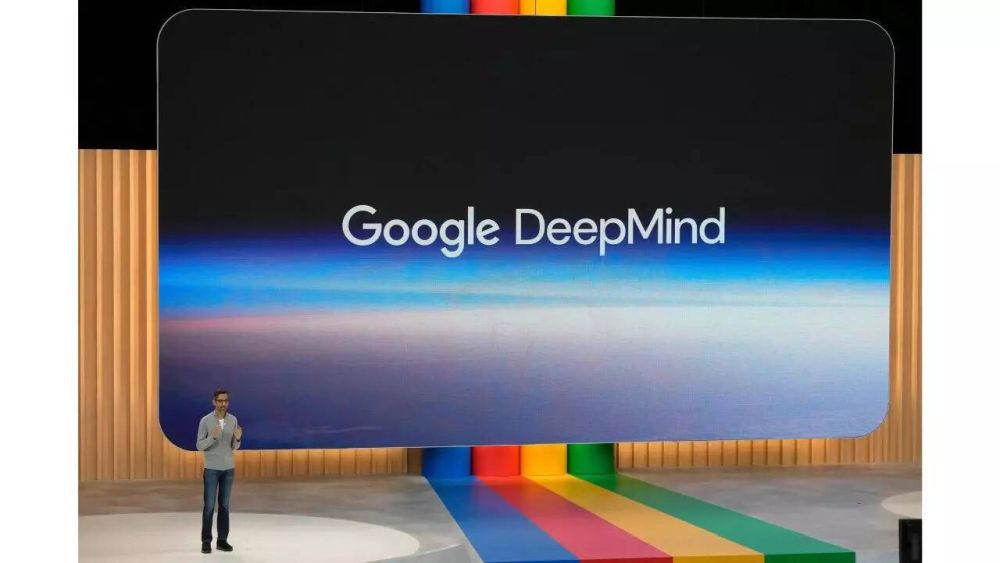
Reading Time : 2minutesGoogle DeepMind’s decision to hire a chief economist focused on a post-AGI world reveals more than corporate foresight. It suggests internal expectations that artificial general intelligence may arrive soon enough to disrupt economic fundamentals. By questioning how labor, value, and growth function after AGI, DeepMind hints at systemic shocks that current models are unprepared to absorb.
Reading Time : 2minutesChina’s Unitree shipped 5,500+ humanoid robots in 2025, crushing US rivals at ~150 units each. With 80% global dominance, Beijing’s factories surge ahead while America lags. Explosive growth looms—will the West wake up before it’s too late?
Reading Time : 2minutesThe wearable AI market rockets toward $208B by 2032, fueled by healthcare trackers and enterprise tools. But privacy fears mount as devices harvest biometric data nonstop. Are the health gains worth the surveillance risks? Investors and users must scrutinize before the hype fades.
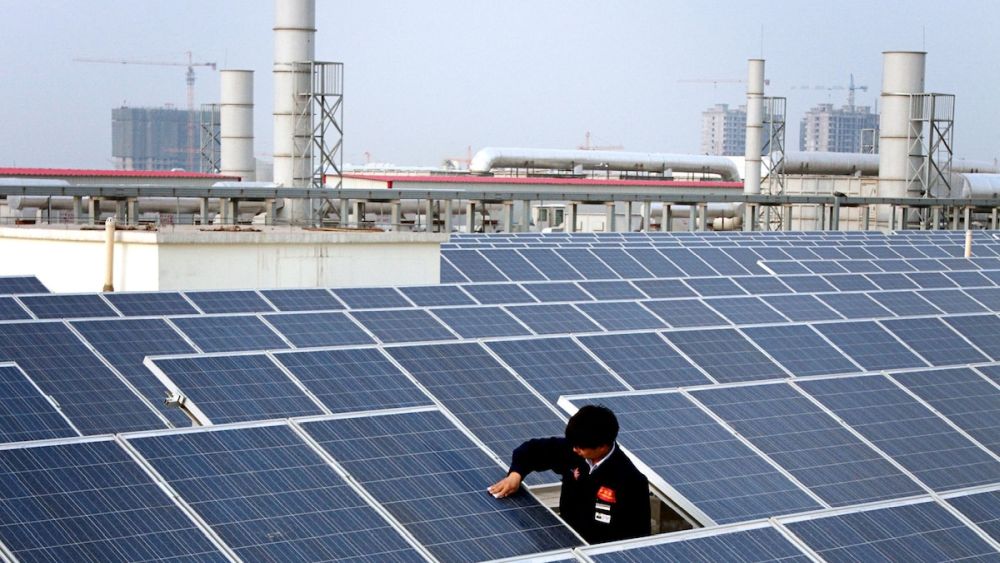
Reading Time : 2minutesChina’s renewable expansion dwarfs every other economy, combining industrial scale, state planning and manufacturing dominance. While coal remains present, clean energy is now reshaping actual power output. Compared with slower, fragmented Western models and early-stage Gulf efforts, China is not experimenting. It is executing, imperfectly but decisively.
Reading Time : 2minutesQuantum computing will not arrive as a household gadget, but as an invisible force embedded in services we rely on. Through cloud access and hybrid systems, it will quietly improve medicine, research, and optimization. Like electricity or the internet, its power will be felt long before it is fully understood.
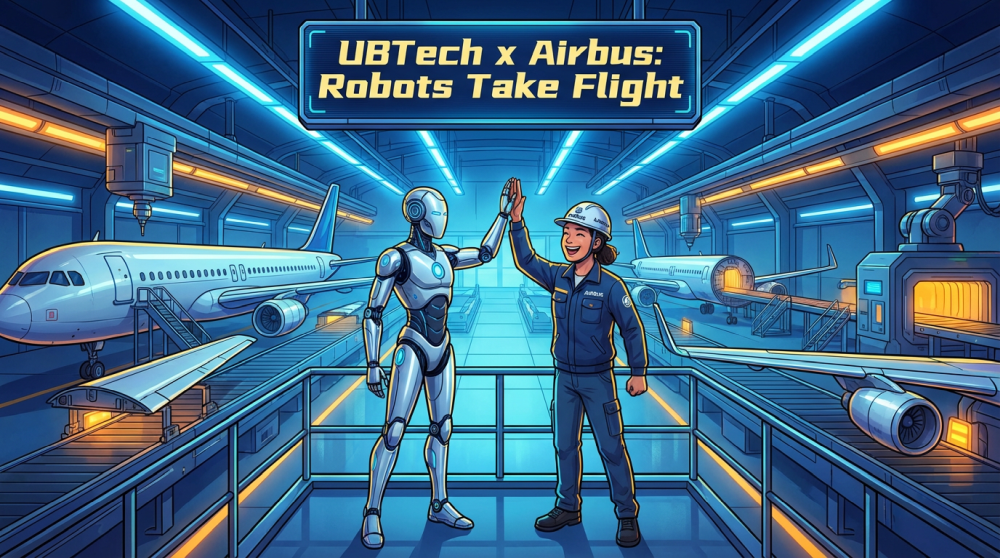
Reading Time : 2minutesUBTech Robotics partners with Airbus to deploy Walker S2 humanoids in aviation manufacturing, expanding from chips to aircraft amid booming production and global demand.
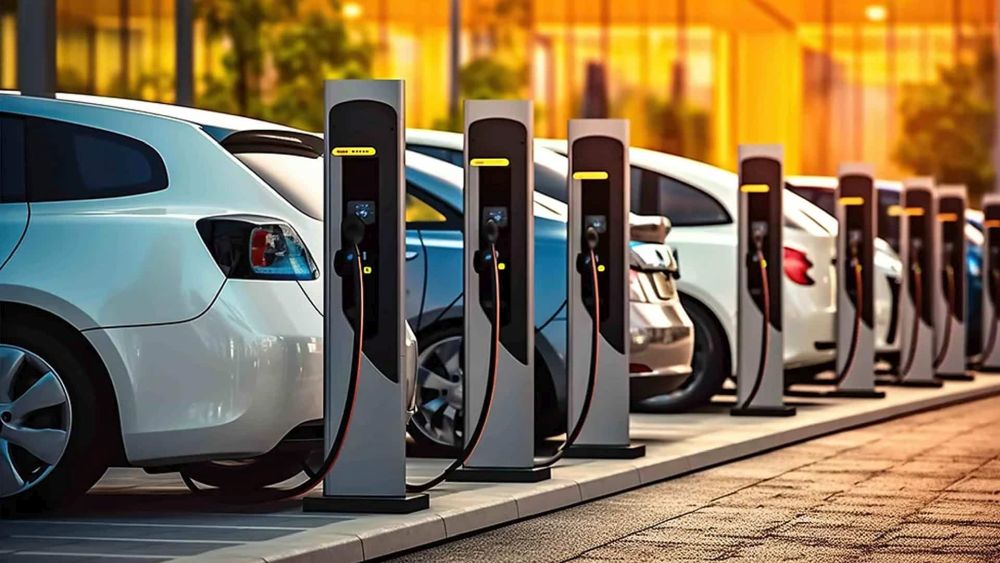
Reading Time : 2minutesGlobal EV sales hit 14M in 2023, forecast 17M in 2024. China dominates, batteries cheaper, parity by 2030. A thrilling shift to sustainable driving awaits!
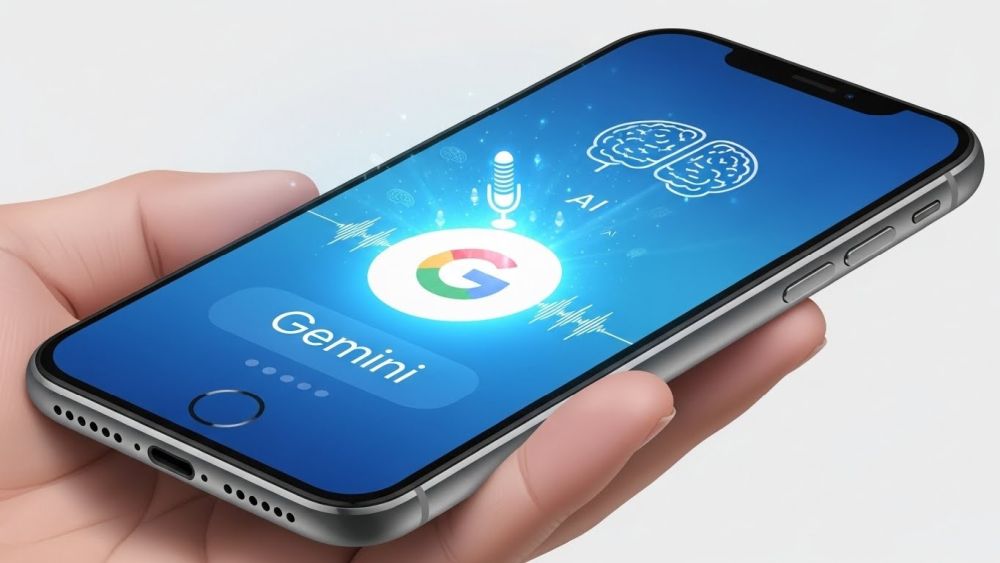
Reading Time : 2minutesApple partners with Google to power next-gen Siri using Gemini AI, unlocking smarter conversations, personalization, and app smarts—set to launch in 2026 for a game-changing user experience.