
BYD’s confirmation that its first humanoid robot will debut in early August arrives as Washington draws a hard line on Chinese-made machines. The Trump administration moved Tuesday to ban imports of new humanoid and quadruped robots from China, along with certain power inverters, citing national security and supply-chain resilience. The order targets future imports, not devices already in operation, and signals a widening technology rift between the two powers just as Chinese automakers accelerate from EVs into embodied AI.

BYD told media its robot will be unveiled at its Di Space brand-experience venue in Zhengzhou, framed not as a spec sheet exercise but as an interactive showroom presence. Industry reporting describes the robot, codenamed Xiaodi, as roughly 1.61 meters tall with 31 degrees of freedom, designed first to greet visitors, present vehicles, and answer basic questions in BYD stores. Executive vice president Stella Li has said the company aims to place two or three robots in each dealer outlet, with sales-support units reaching practical usability within one to two years.
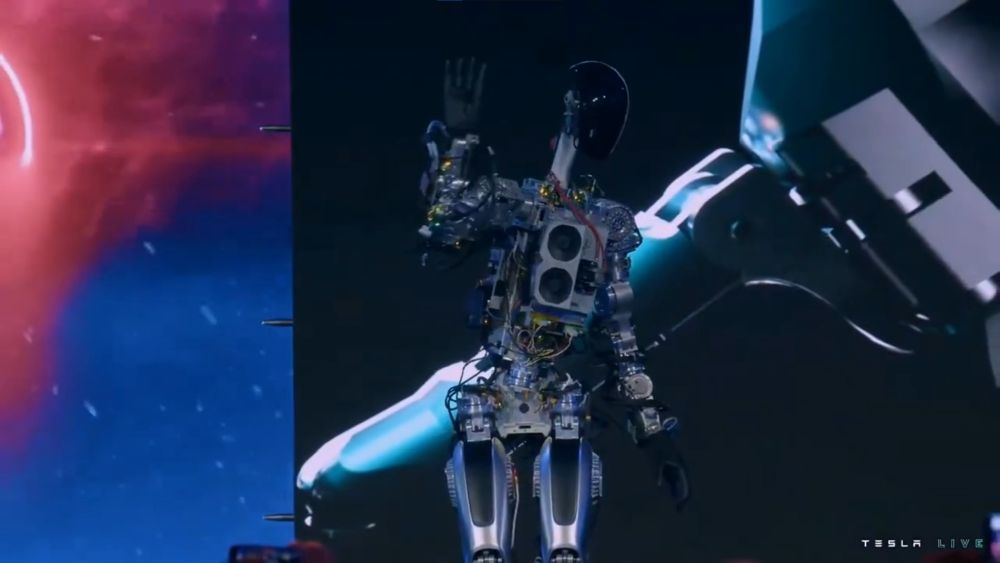
The timing is no coincidence. China has become a leading supplier of humanoid robots globally, while US lawmakers and regulators warn that reliance on foreign hardware and AI stacks could create vulnerabilities in critical infrastructure. Beijing’s exporters now face a sudden cutoff from their largest overseas market, even as companies like BYD, XPeng, and Li Auto push humanoid projects that share much of the same supply chain and software DNA as intelligent vehicles. The US ban is framed as a protective move for domestic industry, but it also risks deepening a bifurcated robotics ecosystem split along geopolitical lines.
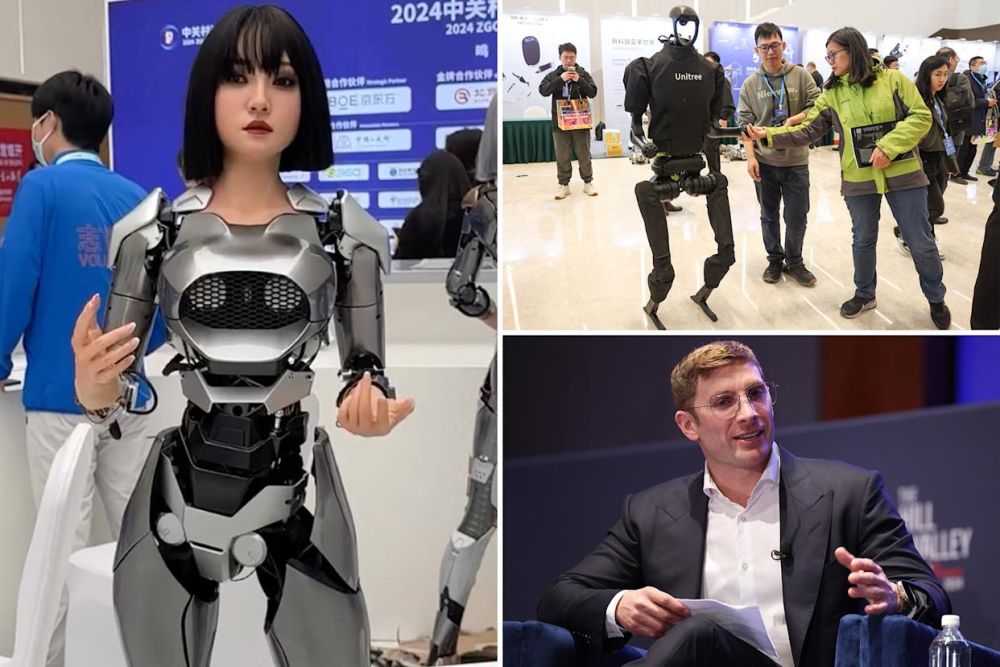
For now, BYD’s debut is modest by design: one service robot, one showroom scenario, one public appearance. The company has pushed back on rumors of massive internal deployments and a separate industrial program codenamed Yao‑Shun‑Yu, insisting those claims are untrue. What remains clear is that the race has shifted from four wheels to two legs, and the rules of engagement are being rewritten in real time as governments decide which machines are welcome to cross borders.

#BYD #HumanoidRobot #AI #TechColdWar #EVs #Robotics #USChinaTrade #EmbodiedAI #Automation