
Taiwan is setting an aggressive course for offshore wind expansion, outlining a roadmap that could push total installed capacity to as much as 27.9 gigawatts by 2039. The plan signals a fivefold increase from current levels and reflects mounting pressure to meet surging electricity demand, particularly from energy-intensive semiconductor fabrication and rapidly expanding artificial intelligence infrastructure. Officials frame the strategy as both an economic necessity and a climate imperative, but the scale raises questions about execution and long-term sustainability.
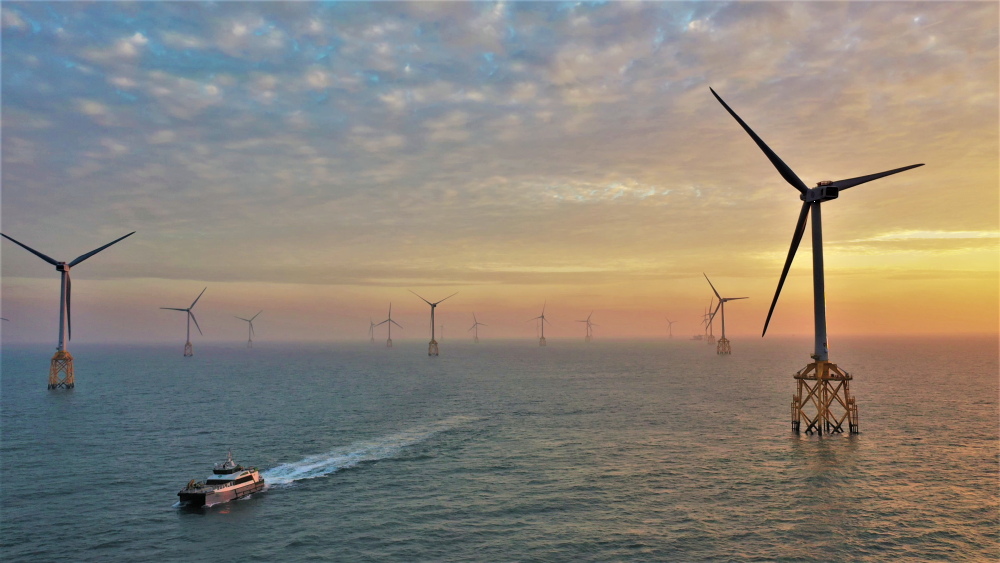
At the center of the plan is a phased development model that would add between 15 and 18 gigawatts of new capacity from 2027 onward. Authorities intend to release roughly 8 gigawatts of projects every four years, a structured rollout designed to maintain investor confidence while avoiding supply chain bottlenecks. Alongside fixed-bottom projects, Taiwan is also preparing to test floating offshore wind technology through small pilot installations, a move that could unlock deeper waters but also introduces new technical and financial uncertainties.
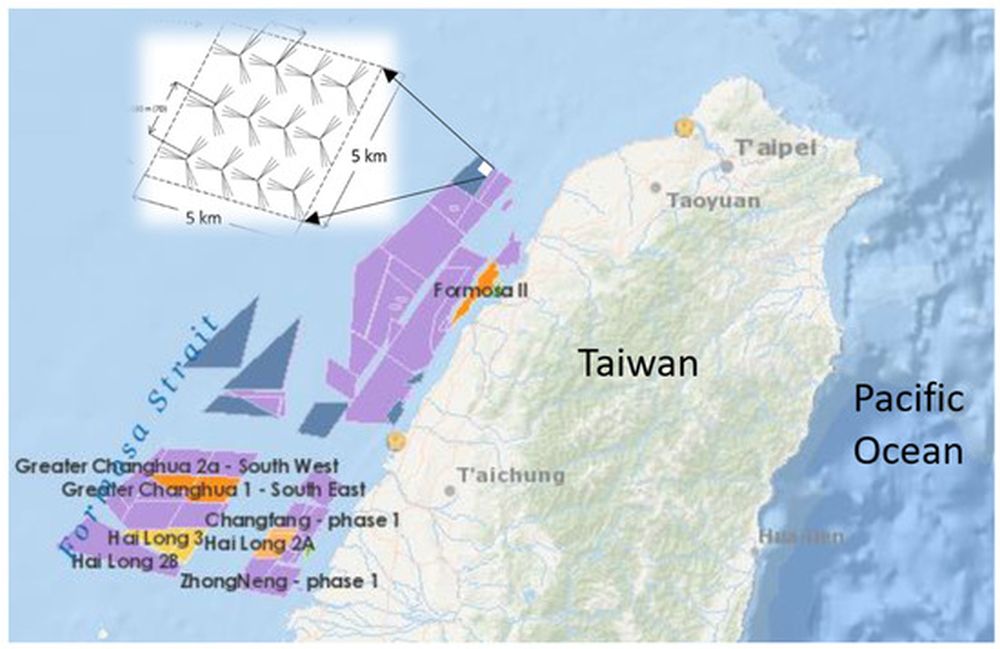
Taiwan’s current standing underscores both progress and the challenge ahead. With nearly 5 gigawatts installed and over 500 turbines already in operation, the island ranks among the world’s top offshore wind markets. Annual generation has crossed the 10 billion kilowatt-hour threshold, yet this remains only a fraction of projected future demand. Officials remain confident that near-term targets, including 10.9 gigawatts by 2030, are within reach, though past delays in permitting, grid integration, and local opposition suggest the path forward may not be straightforward.
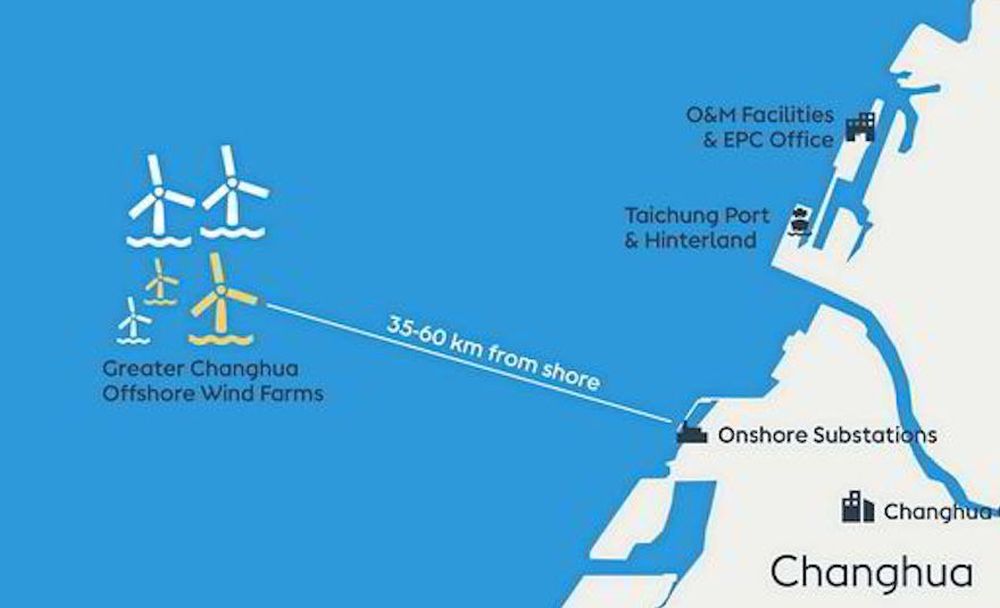
The broader strategy ties offshore wind expansion to energy security and industrial policy. By strengthening domestic supply chains in steel, shipbuilding, and marine engineering, Taiwan aims to reduce reliance on imported fossil fuels while positioning itself as a regional clean energy hub. The government estimates the plan could cut more than 80 million metric tons of carbon emissions by 2039. Still, the real test will lie in balancing rapid development with environmental safeguards, grid resilience, and the economic realities of scaling one of the most complex energy transitions in Asia.

#Taiwan #OffshoreWind #EnergyTransition #Renewables #AI #Semiconductors #ClimatePolicy #EnergySecurity