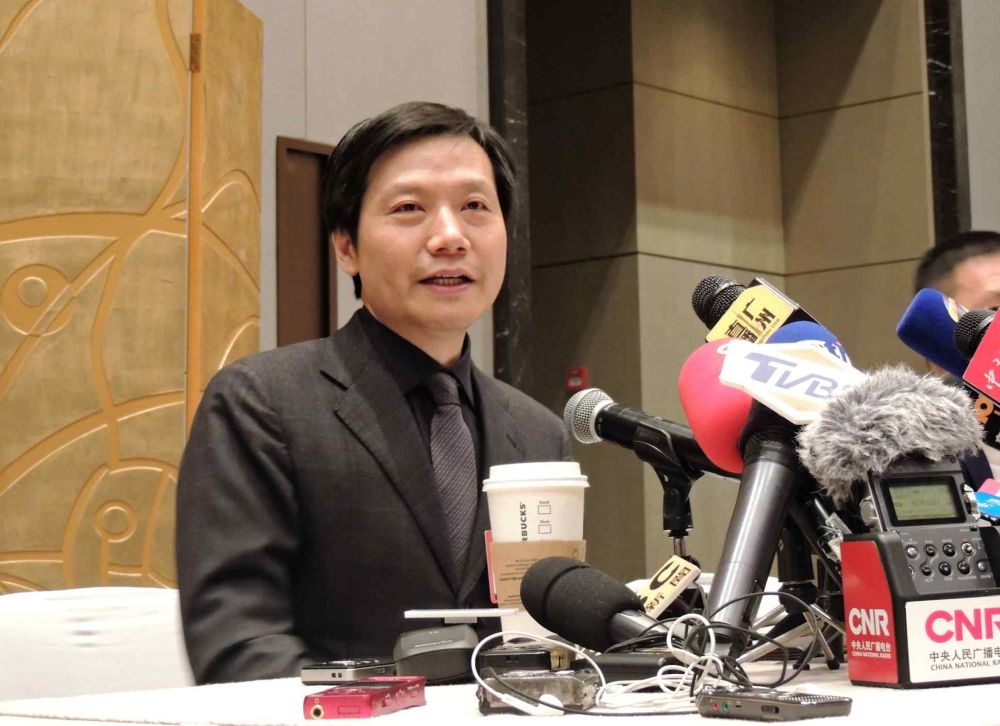
Reading Time : 2minutesXiaomi CEO Lei Jun predicts AI will shrink workweeks to three days amid the company’s pivot to AIOS and massive R&D investments. Echoing tech leaders, he envisions explosive growth, but is this revolution or rhetoric?
Reading Time : 3minutesGoogle’s Liz Reid dissects AI’s grip on search, from agent disruptions and ChatGPT clashes to personalization ploys and timid monetization. Her podcast confessions expose strategic flux, as Google tests boundaries between apps, content, and cash flow, probing whether the open web survives the machine age intact.
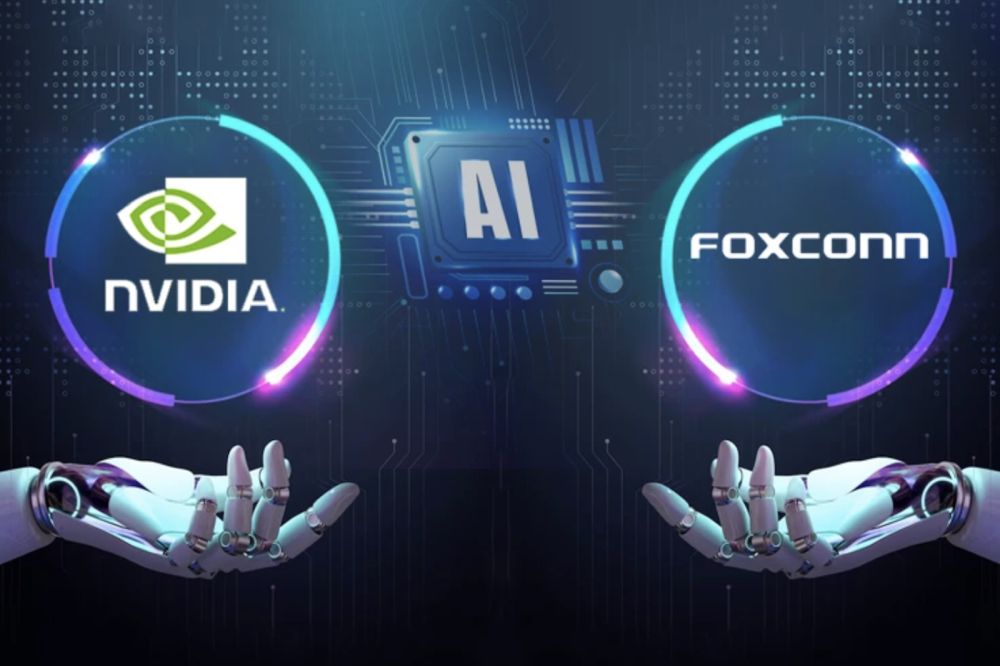
Reading Time : 2minutesFoxconn’s February revenue rose 8% despite Lunar New Year drag, driven solely by AI servers amid weakness elsewhere. Q1 outlook signals strength, but holiday dips raise questions about sustainability in a volatile tech landscape.
Reading Time : 2minutesAs AI devours chips and borders harden, Chinese giants like Alibaba pivot to domestic memory makers amid endless shortages, betting on self-sufficiency to power their empires.
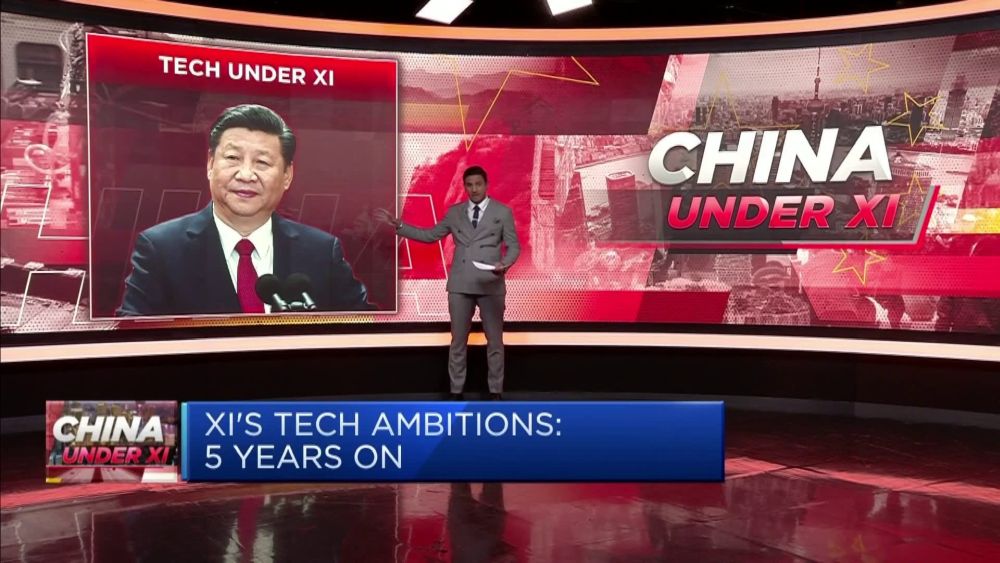
Reading Time : 2minutesChina’s annual political gatherings have unveiled a new technological roadmap that could reshape global competition. Artificial intelligence, neurotechnology, and robotics are emerging as central pillars of the country’s next development phase. Behind the policy language lies a broader ambition to move from manufacturing dominance toward leadership in the technologies that may define the coming decades.
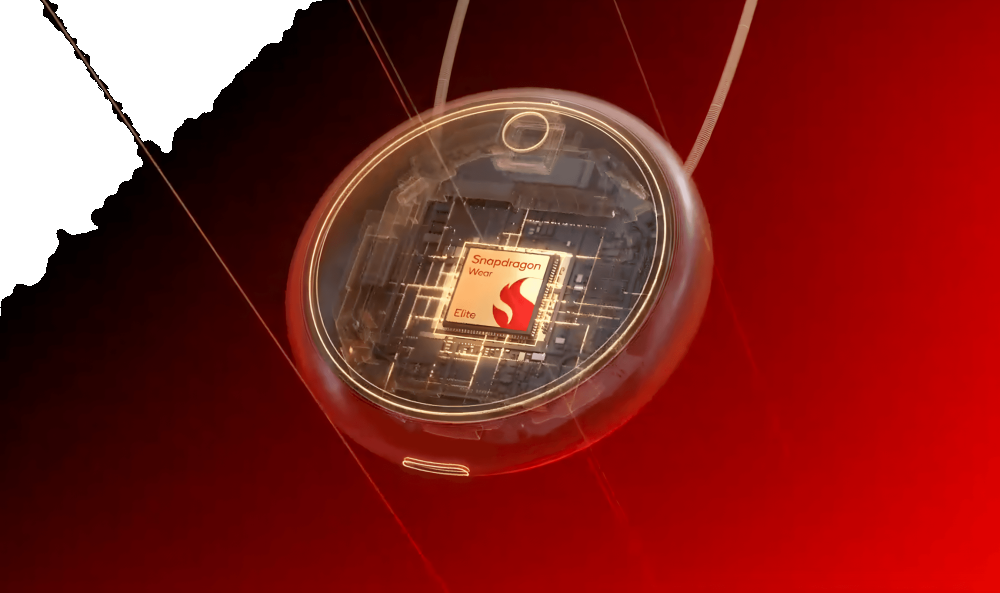
Reading Time : 2minutesQualcomm’s Snapdragon Wear Elite ignites debate on AI wearables’ independence. Packing dual NPUs for massive on-device models and hexa-connectivity, it eyes smart glasses and pins alongside watches. With Samsung, Google, and Motorola committed, is this the distributed AI network that finally unshackles gadgets from phones and clouds?
Reading Time : 3minutesThree Chinese automakers crack the global top 10 for 2025, powered by China’s EV boom and subsidies, as Japanese giants stumble. BYD tops Tesla in electrics; Nissan exits rankings. A seismic shift reshaping the industry forever.
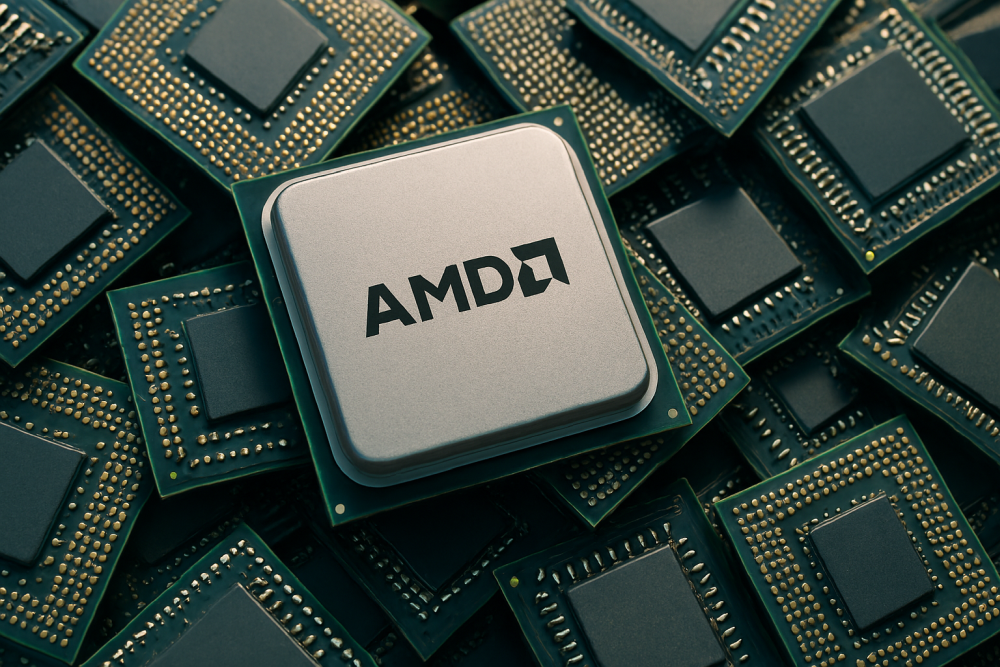
Reading Time : 3minutesAMD’s 84-core EPYC 8005 “Sorano” processors target vRAN’s cost crunch with LDPC acceleration and edge-optimized design, backed by Ericsson and Samsung. A bold challenge to Intel in telecom’s high-stakes edge race.
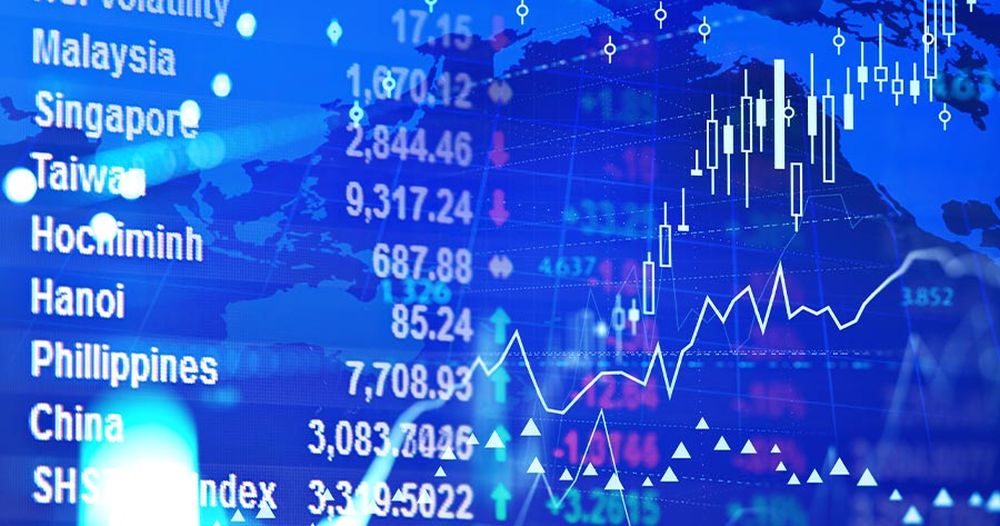
Reading Time : 2minutesAsian markets shatter records on AI fervor, with Kospi nearing 6,000, Nikkei topping 58,000, and Taiex at 34,700. Chip titans like Samsung, SK Hynix, and TSMC lead amid massive GPU deals. Nvidia earnings loom as the ultimate test.
Reading Time : 2minutesCrypto markets have plunged dramatically, with some tokens losing most of their value. Speculation, low liquidity, leverage, and macroeconomic pressures combine to create cascading declines. Many cryptocurrencies lack sustainable use, leaving only a small fraction with lasting relevance. The collapse highlights the fragile nature of assets built on sentiment rather than fundamentals.
Reading Time : 3minutesDeepRare’s AI cracks rare disease codes faster than experts, but governance voids spark alarms. From diagnostic triumphs to oversight pitfalls, is healthcare’s AI dawn a cure or a covert crisis?
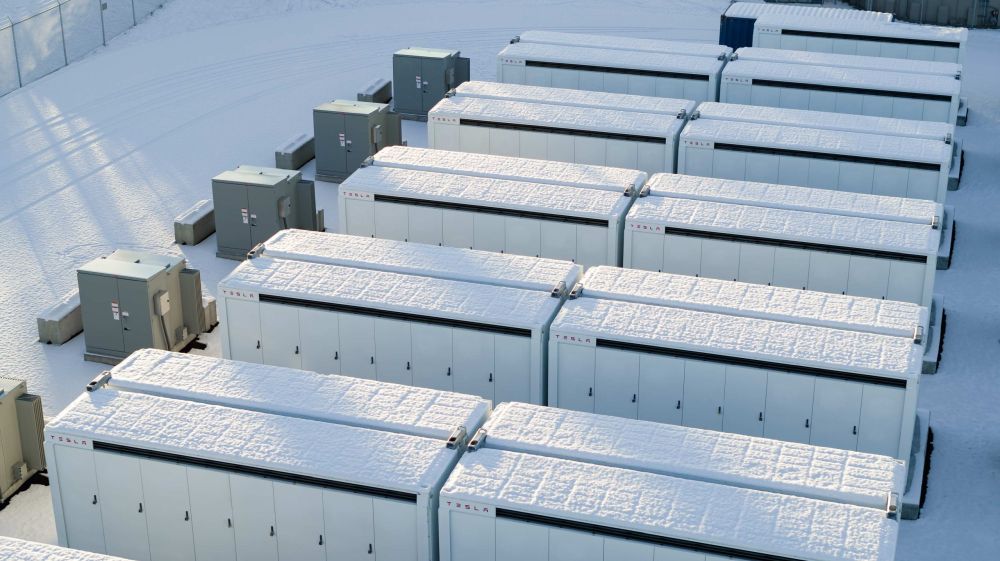
Reading Time : 2minutesBattery storage hits record lows at $78/MWh amid manufacturing overcapacity and surging deployments from Australia to Texas. Costs plummet 27% yearly, outpacing solar and wind, as China’s EV glut floods grids with cheap power. Hybrids deliver $57/MWh—question is, can this revolution endure?
Reading Time : 2minutesThis episode leaves critical questions hanging over the future of AI adoption in high-stakes environments. If even the most privacy-focused legislative body in Europe cannot confidently secure its own use of mainstream AI tools, what does this indicate about the broader readiness of such systems? The temporary blackout may be just the beginning of a much-needed reckoning with how governments balance digital progress against the imperative of safeguarding confidential information.
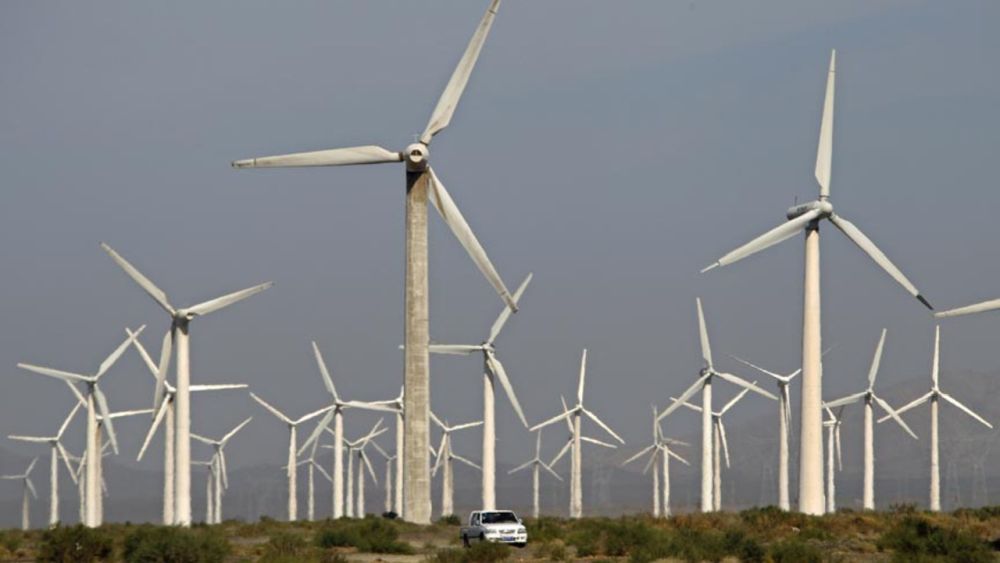
Reading Time : 2minutesChina’s clean energy milestone masks surging coal builds driven by blackout fears. Solar and wind shatter records, yet 291 GW of coal looms—exposing a high-stakes gamble between green ambition and grid reliability.
Reading Time : 2minutesKohli reveals AI’s power to democratize genome research, empowering 3.3M scientists via AlphaFold. India leads with local AI for farms and health—true science for all approaches.