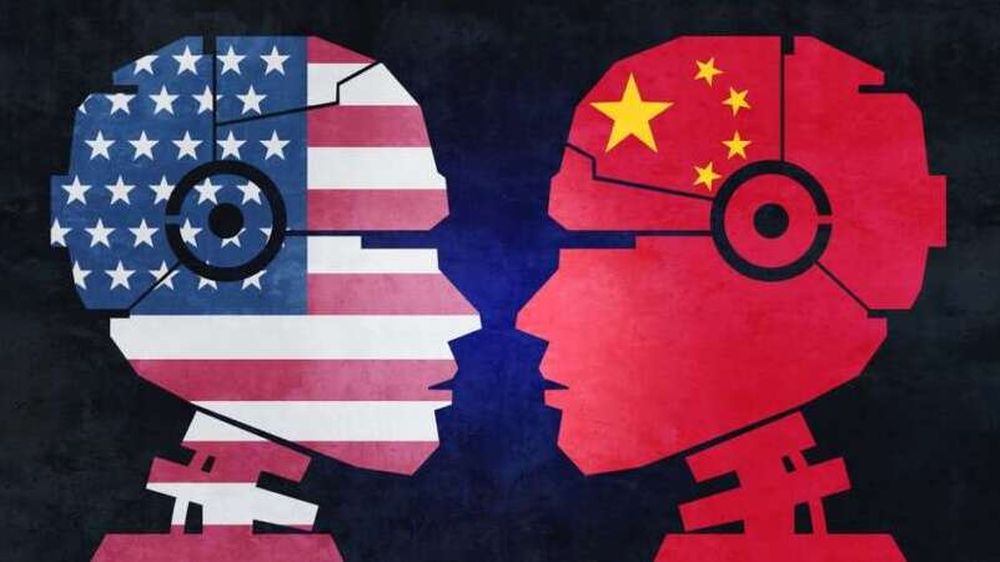
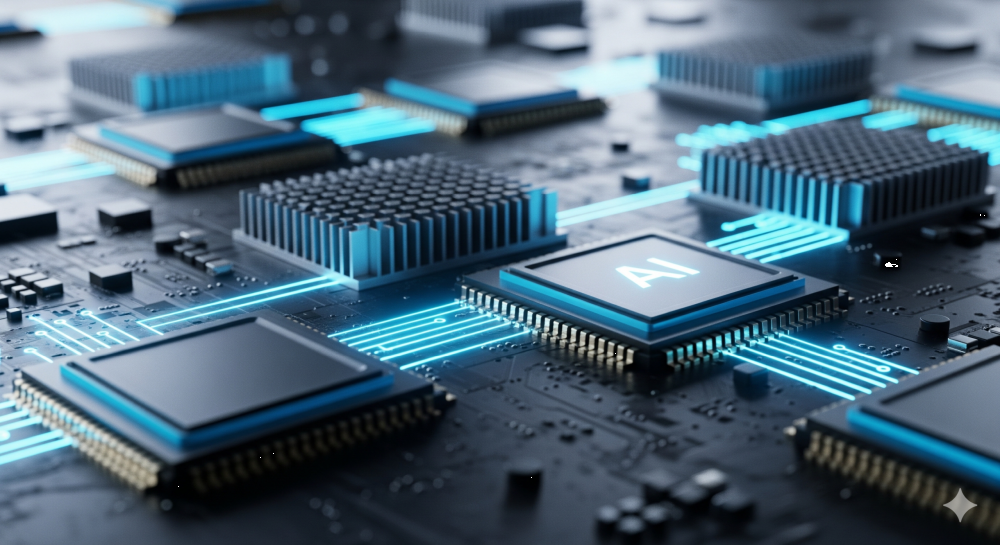
Reading Time : 2minutesAI is changing more than software. It is redrawing the strategic map of the US-China rivalry, turning chips, models, data, and markets into instruments of power. As Washington restricts access and Beijing expands its reach, both sides face an uncomfortable truth: technological dependence can become leverage for the rival it was meant to contain.
Reading Time : 3minutesNobel Week has begun in Stockholm with the announcement of the medicine prize. Physics, chemistry, literature, peace, and economics will follow through October 12. Each day brings one revelation, watched closely by scientists, writers, and diplomats alike. The prizes carry prestige, cash, and the weight of history. Who will the committees choose this year?
Reading Time : 2minutesThe mobile phone and social media revolution has opened a bright new era of connection, creativity, and opportunity. From daily moments shared worldwide to small businesses reaching global audiences, these tools empower everyone to participate. By embracing this change with care, we can build a future where technology strengthens communities and helps life flourish.
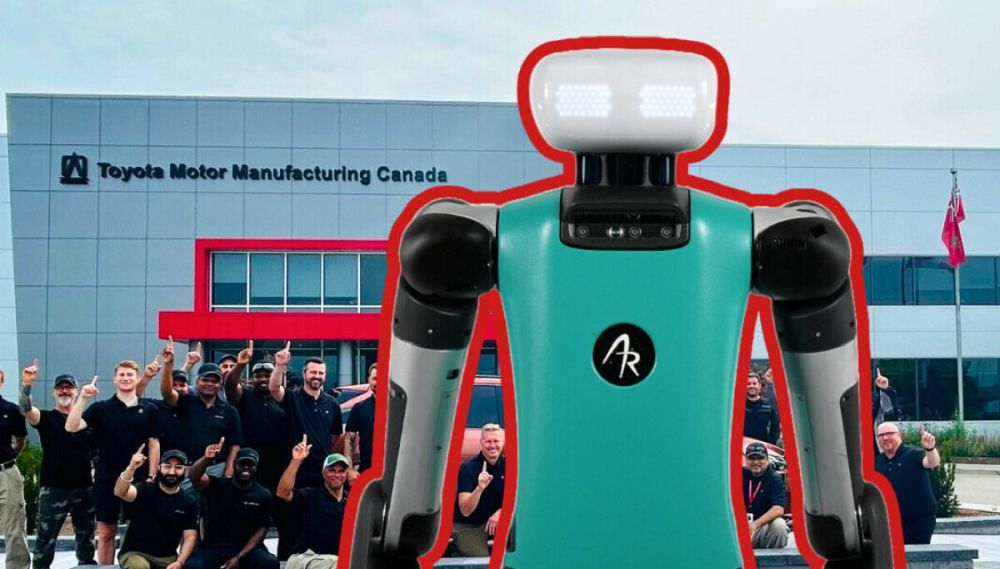
Reading Time : 2minutesToyota is mapping out a vast automation drive that could place hundreds of thousands of robots inside its factories and supplier sites. The plan stresses partnership with veteran workers, not replacement, and leans on learning robots to capture hard-won skills. How far the automaker goes remains uncertain, but the direction is unmistakable.
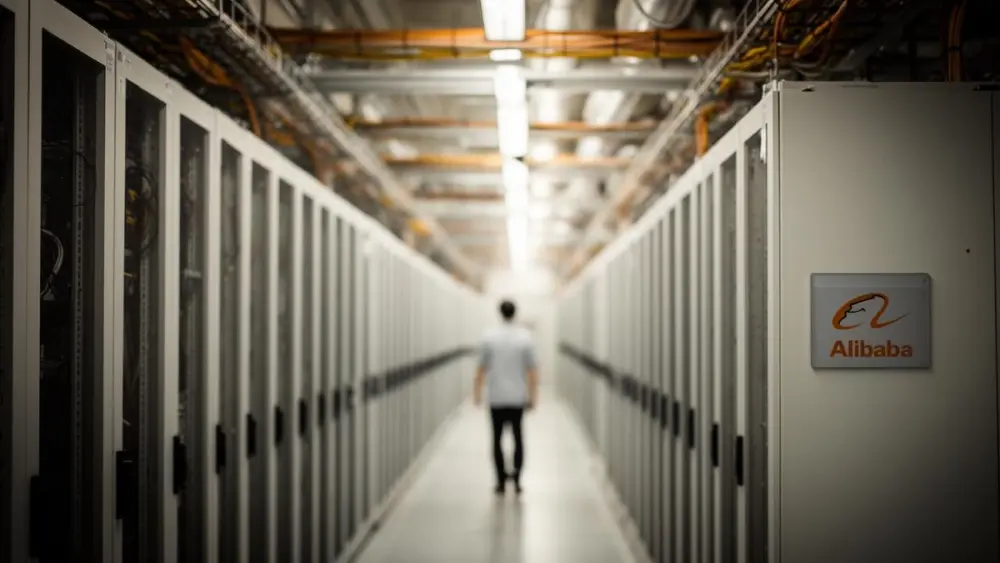
Reading Time : 2minutesAlibaba has announced an aggressive artificial intelligence roadmap combining a new domestic processor, trillion-parameter Qwen models, and a vast expansion of cloud infrastructure. The plan could strengthen China’s technological independence, but its success will depend on chip production, energy availability, software efficiency, customer demand, and whether massive model sizes translate into more capable and commercially valuable AI systems.
Reading Time : 3minutesAs the US spends billions on advanced chips, a critical shortage of memory chips highlights a dangerous gap in industrial strategy. While Asian giants dominate the market, high costs and low margins prevent American expansion. This investigation explores why national security plans ignore the essential components that power our digital infrastructure, leaving the economy vulnerable to supply shocks.
Reading Time : 2minutesAnthropic is loosening AI guardrails for biology while building a wet lab, a move that blends computational power with physical experiments. The company says it will not rival pharma partners, yet its new program and in-house lab signal deeper ambitions in drug discovery and raise questions about oversight, competition, and the future of AI-driven science.
Reading Time : 2minutesThe global memory shortage is evolving from a pricing problem into a supply-allocation crisis. Intel’s warning, rising memory costs, delayed projects, and long-term contracts covering most future production point to a market likely to remain tight through 2028. AI data centers are securing priority access, raising difficult questions about how much supply will remain for phones, laptops, startups, and other industries.
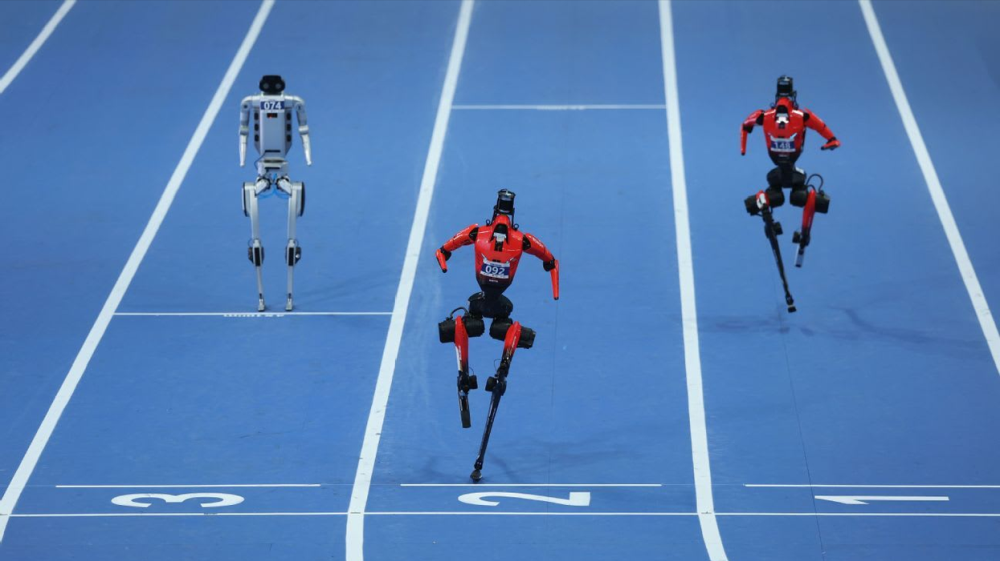
Reading Time : 3minutesChina’s humanoid robots are doing far more than chasing spectacular speed records. Behind the races lies an enormous engineering experiment involving balance, artificial intelligence, batteries, actuators, control systems and machine reliability. The ultimate contest may not be about which robot runs fastest, but which machines can leave the laboratory, enter the real world and perform useful work reliably, safely and independently.
Reading Time : 3minutesASML is building far more than another semiconductor facility. Its enormous new Eindhoven campus points toward a future where artificial intelligence demands unprecedented quantities of increasingly sophisticated chips. As chipmakers push toward larger dies, denser architectures and next-generation lithography, ASML is expanding the machinery that makes those ambitions possible. The industrial race behind AI may be only beginning.
Reading Time : 2minutesThe United States risks undermining its own prosperity by turning trade and finance into weapons. Sanctions and tariffs may weaken rivals in the short term, but they also encourage the rise of alternative systems that bypass American influence. If this trend continues, the dollar’s dominance could falter, leaving the U.S. exposed to inflation, capital flight, and declining global leverage.
Reading Time : 2minutesMeta’s internal memo reveals Project Hatch, an AI agent capable of booking restaurants, ordering food, and controlling apps like Spotify and OpenTable. With launch expected soon and pricing up to $200 monthly, Hatch enters a competitive market alongside Google and OpenAI’s offerings.
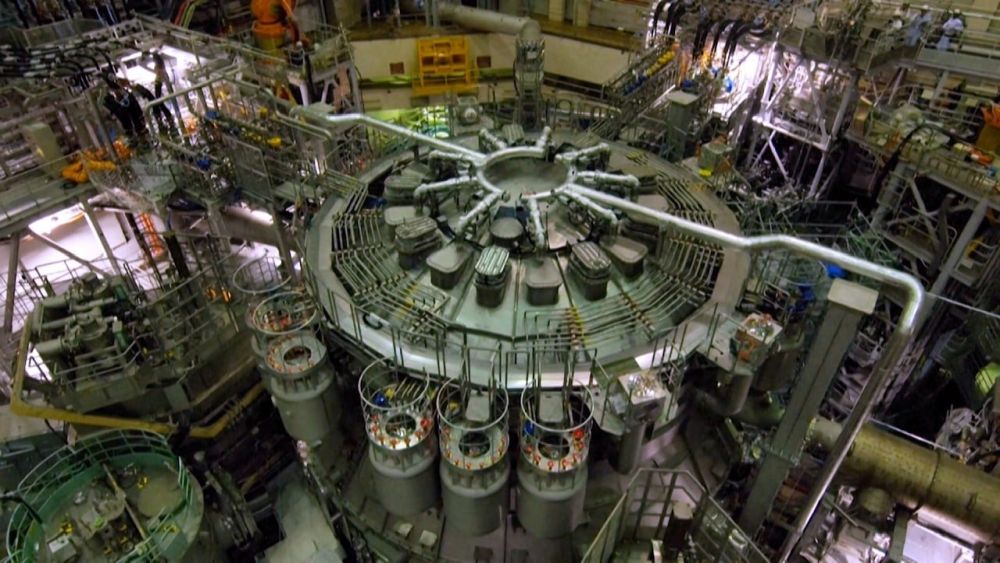
Reading Time : 2minutesAt the 2026 Fusion Energy Conference, China detailed HL-4, a tokamak built to validate high-temperature superconducting magnets under reactor-like stress. Alongside a 25-tesla magnet prototype plan by 2030 and recent large-coil milestones, the announcements mark a coordinated push to industrialize fusion components and seize the supply-chain advantage in the global race to commercialize fusion energy.
Reading Time : 2minutesHumanoid robots have broken Usain Bolt’s 100-meter record at Beijing’s World Humanoid Robot Games, with Tiangong Ultra finishing in 9.39 seconds. The event’s rapid growth and geopolitical context highlight both progress and limits. While machines now outrun humans, experts say real value depends on practical work, not just speed.
Reading Time : 3minutesUnitree’s IPO has fueled predictions that humanoid robots are nearing a ChatGPT-style breakthrough. Yet the company’s founder says the decisive moment could remain a decade away. China dominates shipments, but difficult data problems, weak commercial demand and new US import restrictions reveal an industry advancing rapidly in production while still struggling to achieve genuine physical intelligence.