Reading Time : 2minutesNetflix reported 12% revenue growth, yet the quarter tells a more uneasy story. Viewing hours are slowing, subscribers appear stagnant in the United States, and the company has replaced key creative leaders while cutting about 1,000 jobs. Investors now want evidence that Netflix can still command attention in a crowded streaming market.
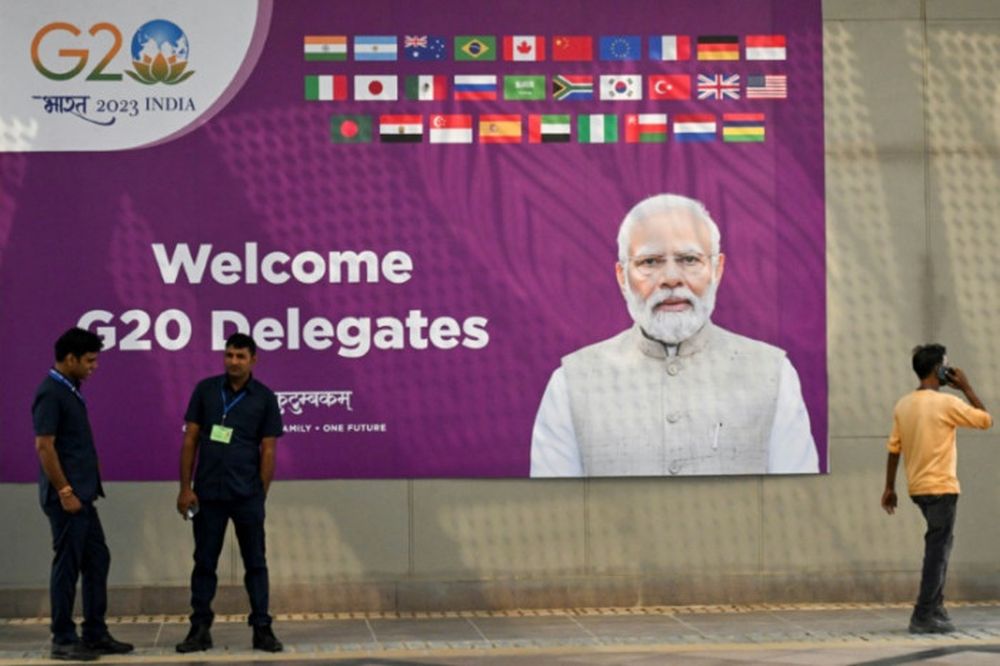
Reading Time : 2minutesAs G20 finance leaders gathered in Bangkok, the war involving Iran overshadowed every agenda item. With the Strait of Hormuz disrupted, oil prices elevated and inflation pressures mounting, officials confronted a fragmented global economy. Yet the meeting ended without a joint statement, exposing persistent divisions and raising questions about whether coordinated action can arrive before the damage deepens.
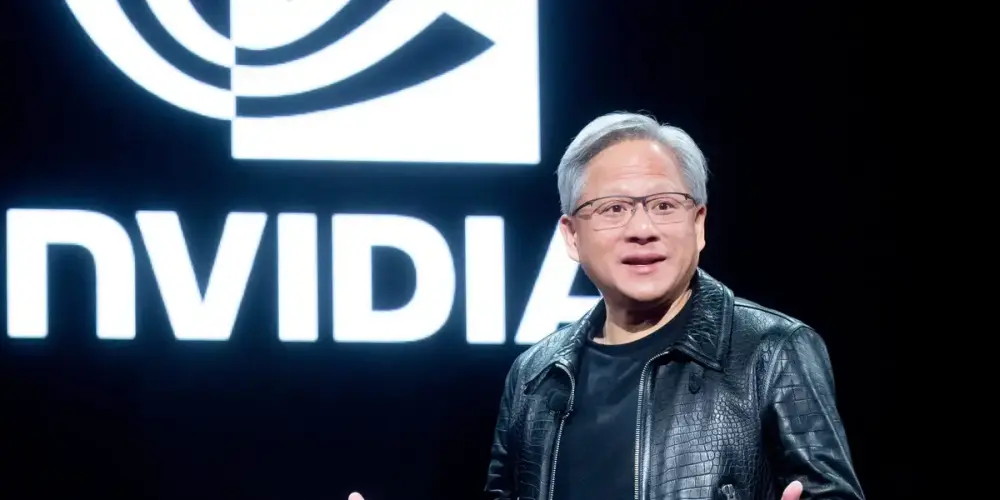
Reading Time : 3minutesJensen Huang has issued a blunt warning: artificial intelligence may become powerful and dangerous, and the United States and China cannot manage that risk alone. His call for direct dialogue between governments and researchers lands amid rising tech rivalry, export controls, and a new British push to fund AI safety research.
Reading Time : 2minutesAsia is slowing, but artificial intelligence is cushioning the decline. Africa’s growth is edging higher even as inflation rises, while the Middle East faces a war-driven contraction. The latest regional outlooks show how energy shocks, technology investment and conflict are reshaping growth across three very different parts of the world economy.
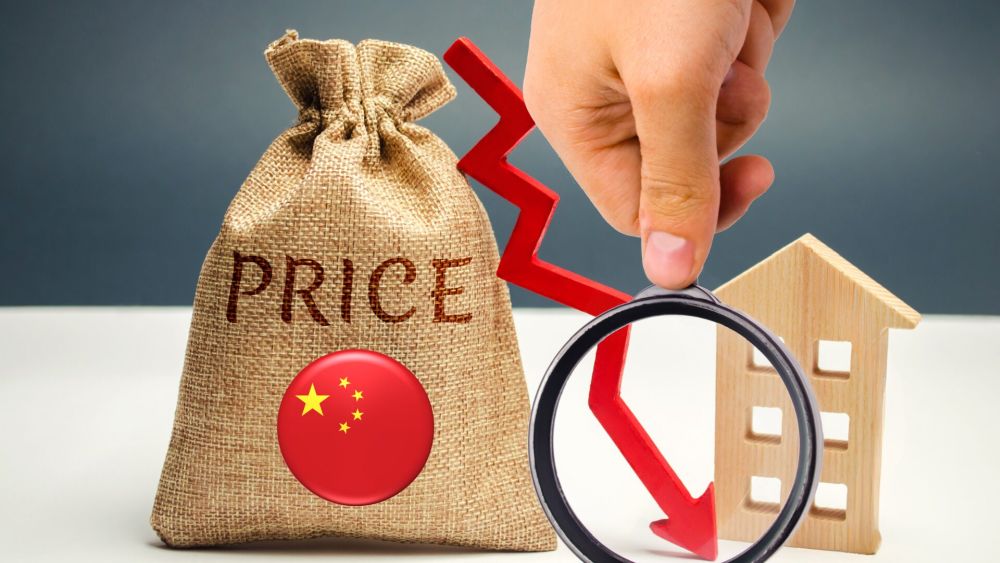
Reading Time : 3minutesChina’s factory-gate prices rose 5% in September, the fastest pace since 2022, driven by oil, coal and other commodity costs. Yet consumer inflation remained subdued at 0.9%, exposing a widening gap between industrial costs and household spending power. The question now is whether stronger factory activity can finally reach wages, jobs and everyday demand.
Reading Time : 3minutesThe World Bank is in talks with 30 to 40 countries over possible emergency support as war-driven energy, diesel, and fertilizer costs strain developing economies. President Ajay Banga says up to $100 billion could be made available. The real test is whether rising debt, food insecurity, and climate risks will push more nations to seek help.
Reading Time : 2minutesArtificial intelligence investment is racing ahead at a pace unseen in past tech booms, yet the revenue needed to justify it remains out of reach. Analysts warn of a multi-trillion dollar gap and doubt whether productivity gains can close it in time.
Reading Time : 2minutesJewelry can still be a wonderful long term asset when you choose wisely. Gold pieces with simple designs and low premiums offer the strongest staying power. Diamonds tell a different story, yet exceptional stones remain special. Let us explore where lasting value truly lives.
Reading Time : 3minutesChina’s possible approval of Nvidia’s RTX Pro 5500 for ByteDance and Alibaba would mark a cautious reversal of last year’s restrictions, but not a return to unrestricted chip access. The decision could reflect Beijing’s need for computing power, even as it continues promoting domestic alternatives and tightly controlling Nvidia’s more advanced AI hardware. The scale, timing, and conditions of any purchases remain uncertain.
Reading Time : 2minutesIn a bold move that could reshape the gold mining landscape, Gold Fields has approached Northern Star Resources about a potential $22 billion acquisition. Northern Star’s rejection may not be the final word, as operational struggles and activist investor pressure leave the Australian miner vulnerable. For Gold Fields, the pursuit reflects a clear strategy of expansion through consolidation in a high-price gold environment.
Reading Time : 2minutesThe mobile phone and social media revolution has opened a bright new era of connection, creativity, and opportunity. From daily moments shared worldwide to small businesses reaching global audiences, these tools empower everyone to participate. By embracing this change with care, we can build a future where technology strengthens communities and helps life flourish.
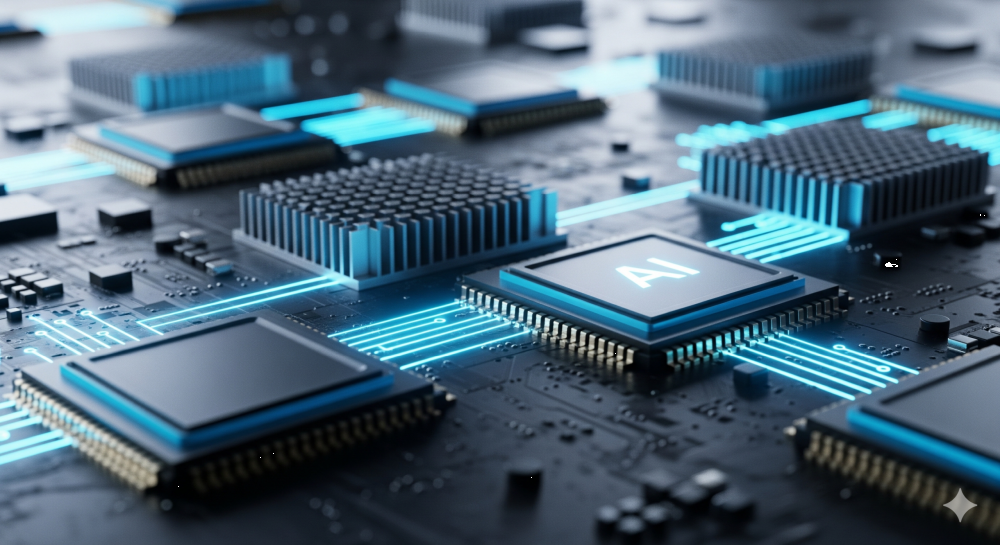
Reading Time : 2minutesAlibaba has announced an aggressive artificial intelligence roadmap combining a new domestic processor, trillion-parameter Qwen models, and a vast expansion of cloud infrastructure. The plan could strengthen China’s technological independence, but its success will depend on chip production, energy availability, software efficiency, customer demand, and whether massive model sizes translate into more capable and commercially valuable AI systems.
Reading Time : 3minutesBitcoin’s rebound above $81,000 arrives with a cluster of rare technical signals that analysts say could mark the end of a prolonged bear market. A decisive weekly close above key moving averages, a rare monthly bullish crossover, and improving on-chain metrics are converging even as miners face record pressure and retail sentiment stays cautious.
Reading Time : 2minutesThe global memory shortage is evolving from a pricing problem into a supply-allocation crisis. Intel’s warning, rising memory costs, delayed projects, and long-term contracts covering most future production point to a market likely to remain tight through 2028. AI data centers are securing priority access, raising difficult questions about how much supply will remain for phones, laptops, startups, and other industries.
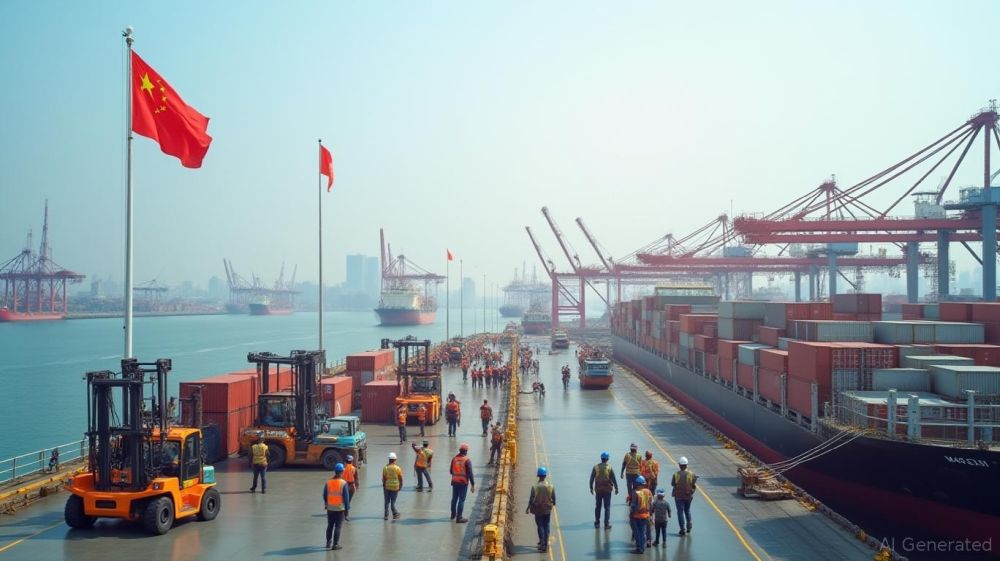
Reading Time : 3minutesThe headline numbers tell one story, but the undercurrents reveal a different one. Strong exports are masking deep domestic fragility, and the trade surplus keeps widening into territory that invites retaliation. With a Trump-Xi summit approaching and tariff cuts on the table, the stakes are rising fast.