
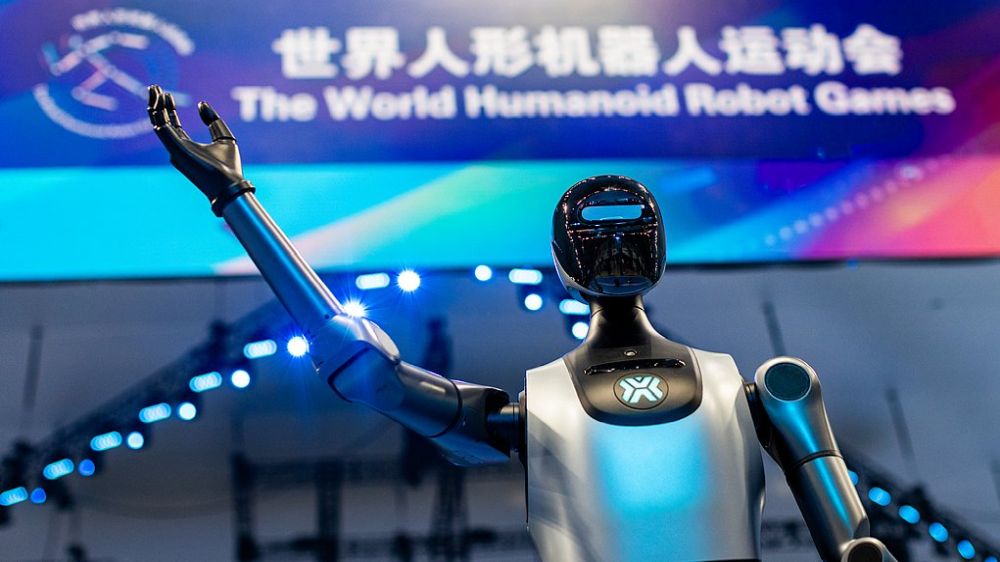
At the second World Humanoid Robot Games in Beijing, a machine crossed the 100-meter finish line faster than any human ever has. Tiangong Ultra, a humanoid built by the Beijing Humanoid Robot Innovation Center, clocked 9.39 seconds, eclipsing Usain Bolt’s longstanding world record of 9.58 seconds. Honor’s Lightning robot followed closely with 9.47 seconds, and earlier tests reportedly saw it hit 9.32 seconds at a peak speed of 14.5 meters per second. The spectacle was undeniable, yet the landings were anything but graceful, with both robots crashing into mats and stumbling beyond the track.

The competition itself has grown at a pace that mirrors the robots’ acceleration on the track. Held at Beijing’s National Speed Skating Oval, the five-day event expanded from 280 teams in 2025 to 666 teams this year, fielding 2,056 robots from 16 countries across six continents. The program now spans 51 events, mixing traditional sports with industrial tasks like EV charging, restaurant service, and cable assembly. The year-over-year leap is stark: Tiangong Ultra won the 100 meters in 21.50 seconds last year, more than double its 2026 time.
The timing of the games carries geopolitical weight. They opened the same week as the 2026 World Robot Conference in Beijing, against a backdrop of tightening U.S. restrictions on foreign-made humanoid robots and heightened scrutiny of Chinese robotics firms. Washington cited national security concerns in announcing an import ban on new foreign humanoid robots, while the Pentagon added Unitree, a leading Chinese maker, to a list of companies with alleged military ties. Unitree’s shares surged more than fivefold in its Shanghai trading debut, underscoring the market’s appetite despite the political headwinds.
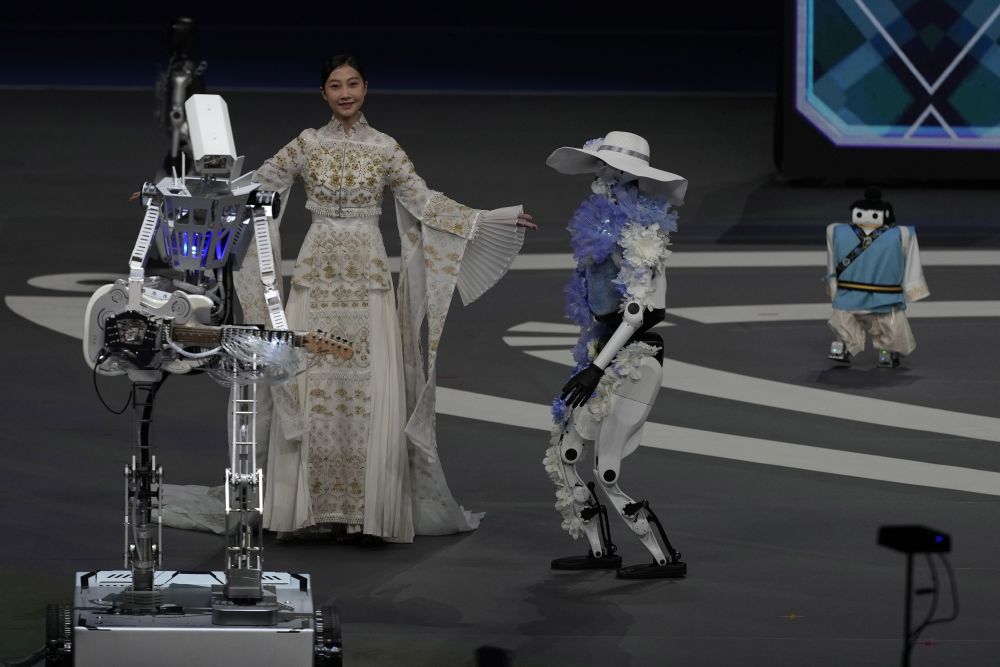
Even as records fall, the gap between spectacle and utility remains wide. Humanoid robots still operate mostly in demonstrations and research settings, with limited deployment in real-world work environments. Industry leaders warn that running and jumping do not automatically translate into productivity gains. The true test will come when these machines can handle complex end-use scenarios reliably, safely, and at scale. Until then, the fastest humanoid in the world may still be a headline rather than a worker.

#HumanoidRobots #BeijingGames #AI #Robotics #TechNews #Geopolitics #Innovation #FutureOfWork