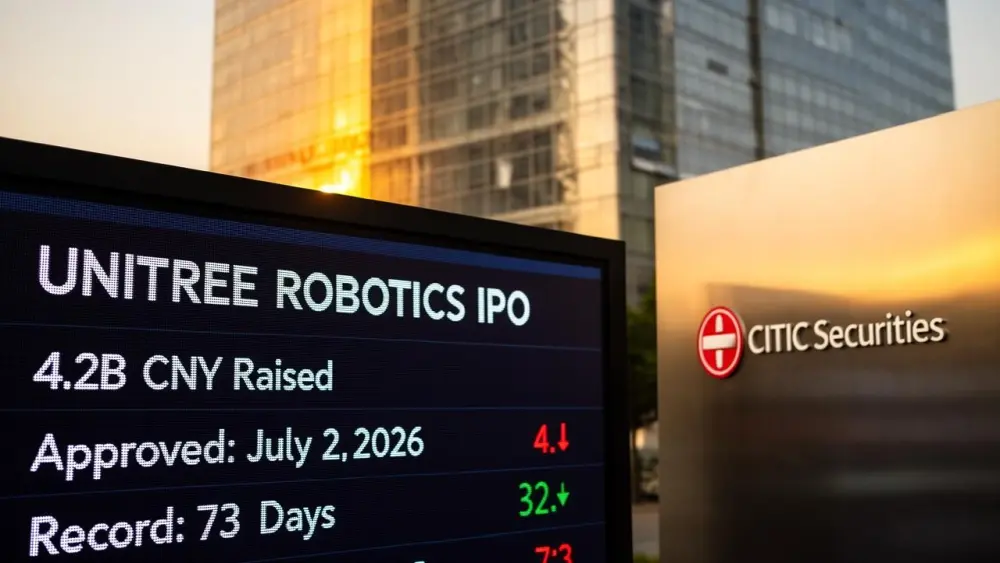
Something unusual happened in Shanghai this week. A relatively young robotics company priced its initial public offering at 150.80 yuan per share and walked away with roughly 6.1 billion yuan, or about $904 million. The retail tranche alone attracted nearly 9.8 million individual investors, creating an allocation rate so thin that only about one in every 5,525 applicants received shares. That level of demand does not happen by accident, and it raises a question worth asking: are we seeing a genuine inflection point for humanoid robotics, or a speculative wave built on narrative momentum?
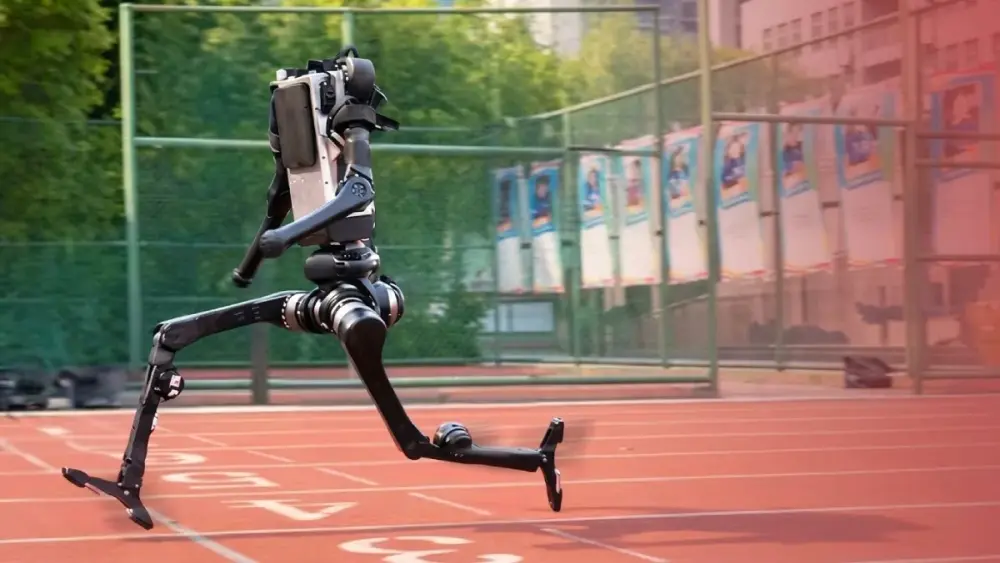
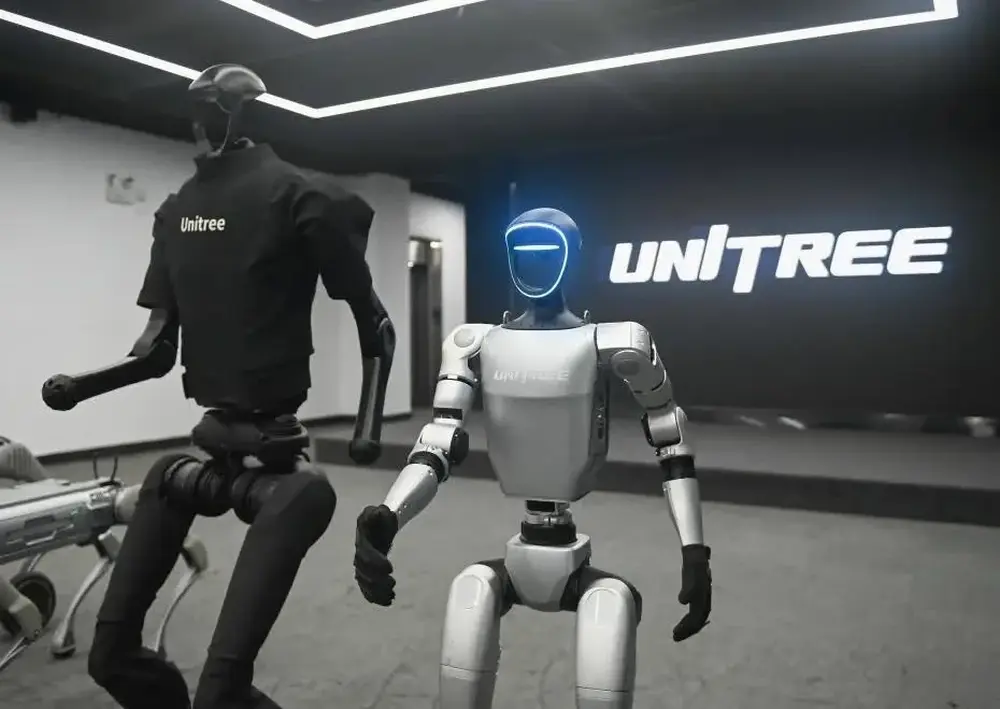
Unitree did not start as a humanoid play. The Hangzhou-based firm first made its name with agile quadruped machines that could trot, climb stairs, and carry payloads in industrial settings. Over time, it shifted resources toward human-shaped systems, including the G1 model aimed at research and education. By 2025, humanoid robots had become the company’s largest revenue source, contributing 867.8 million yuan out of 1.7 billion yuan in total sales. The pivot is real, but the financials also show a company burning cash while scaling production and R&D at pace.
The market reaction extended well beyond China. U.S.-listed names tied to robotics, lidar, and automation moved higher as traders looked for exposure to the same theme. Some of those gains came from companies with direct partnerships in autonomous trucking and advanced driver assistance, while others simply rode the momentum. Yet the enthusiasm sits alongside a sobering detail: Unitree’s IPO values the business at roughly 219 times its 2025 earnings and close to $9 billion in total market capitalization. At those multiples, even small misses on growth or margins could trigger sharp re-pricing.
So what should an investor take from this moment? The capital is clearly chasing physical AI, and Unitree’s transition from four-legged platforms to humanoids gives it a compelling story. Strategic backing from well-known names adds credibility, but it does not erase the execution risk inherent in scaling complex hardware. The rally may be justified if unit economics improve and if regulatory hurdles, including potential U.S. restrictions on foreign-made robots, do not bite. Until then, the prudent stance is to treat this as a signal worth watching, not a verdict already rendered.

#Unitree #Robotics #HumanoidRobots #IPO #PhysicalAI #Investing #TechStocks #ShanghaiStockExchange #QuadrupedRobots #VentureCapital