
In Singapore, a quiet but consequential shift in global technology diplomacy began to take shape as the United States and ASEAN convened their first ministerial level meeting on artificial intelligence. Framed as a milestone, the gathering signals more than routine cooperation. It reflects a growing urgency among both sides to define the rules, supply chains, and political alignments that will underpin the AI era.
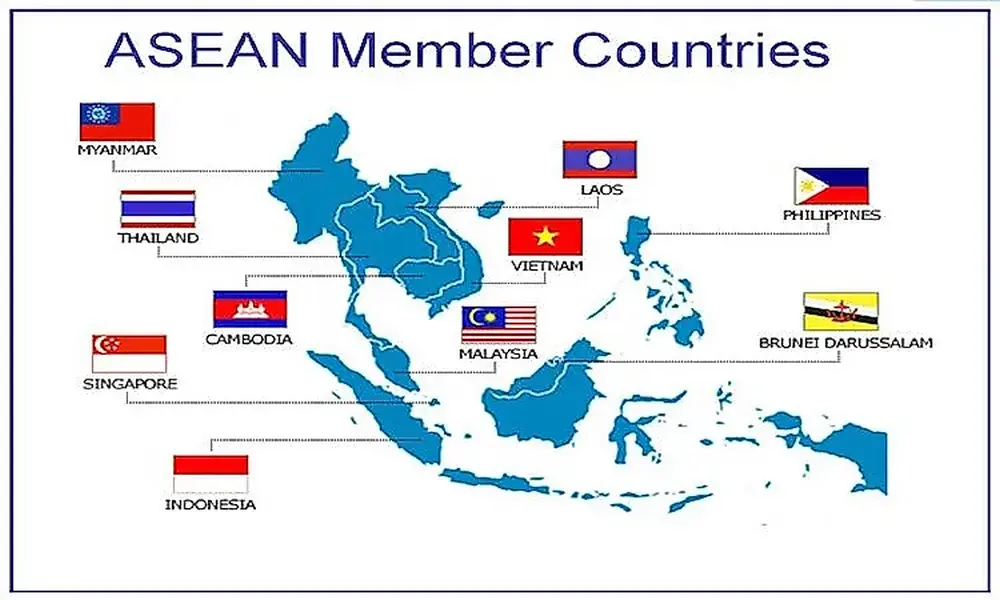
At the center of the discussions was Washington’s emerging Pax Silica initiative, an effort to build a network of trusted partners across critical AI infrastructure. While publicly described as a framework for resilience and innovation, the initiative carries a sharper geopolitical edge. Its expanding membership and outreach to Southeast Asia suggest a deliberate attempt to counterbalance China’s influence over the technologies and materials that power modern AI systems.
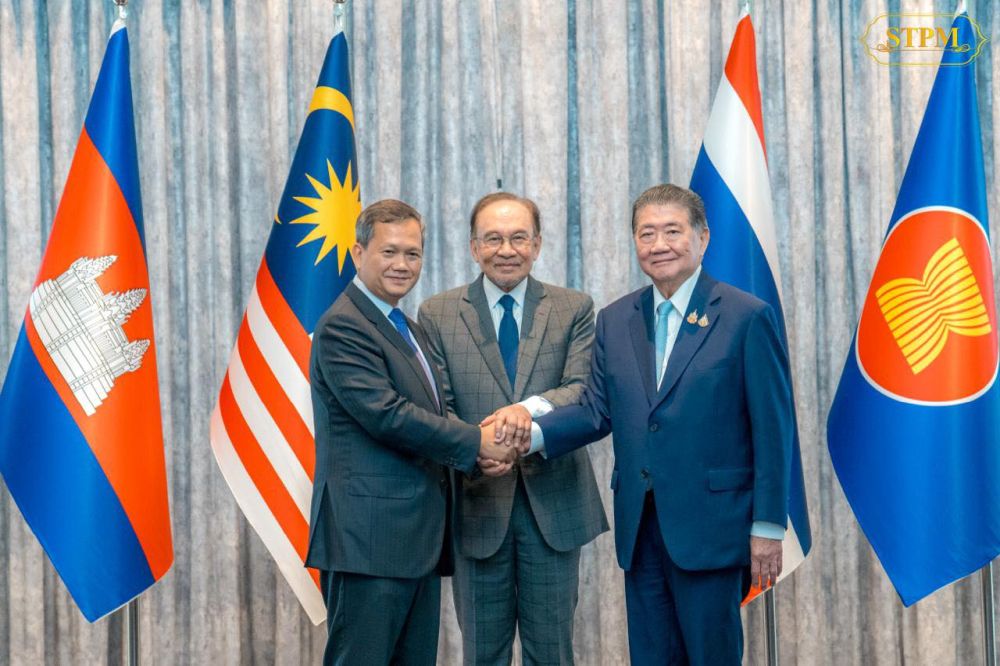
For ASEAN, the stakes are equally complex. The region is not merely a passive participant but a rapidly digitizing market of over one billion people, with governments seeking to harness AI for economic growth while managing risks tied to governance, data security, and workforce disruption. The ministerial revealed a dual track approach, blending policy development support with practical investment, particularly for smaller enterprises that stand to benefit or be displaced by AI adoption.
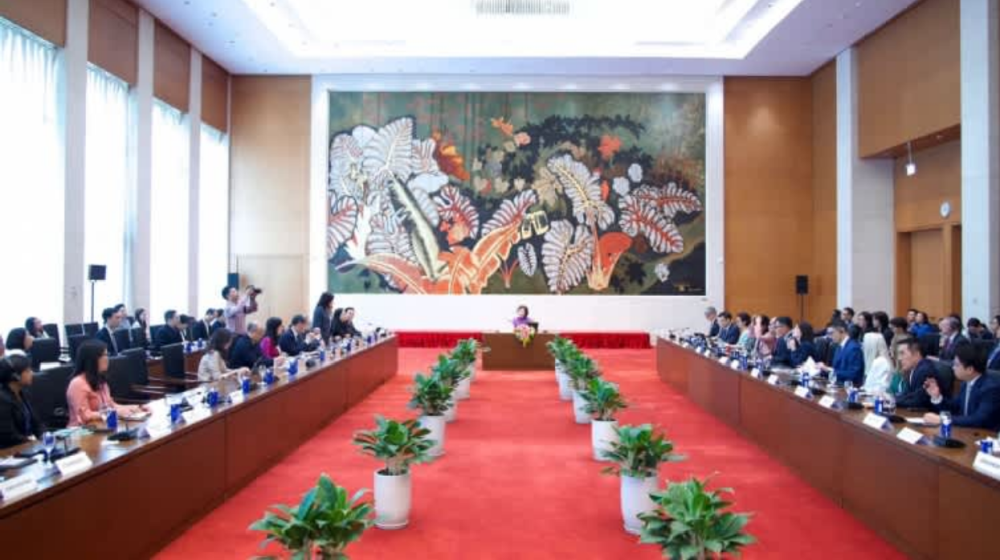
Yet beneath the language of partnership lies a deeper question about alignment. As ASEAN advances its own regional AI governance roadmap through 2030, the extent to which it converges with US-led frameworks remains uncertain. This inaugural meeting may mark the beginning of sustained cooperation, but it also exposes the delicate balancing act Southeast Asia must perform in an increasingly polarized technological landscape.

#AI #ASEAN #USPolicy #TechDiplomacy #ArtificialIntelligence #Geopolitics #PaxSilica #SoutheastAsia