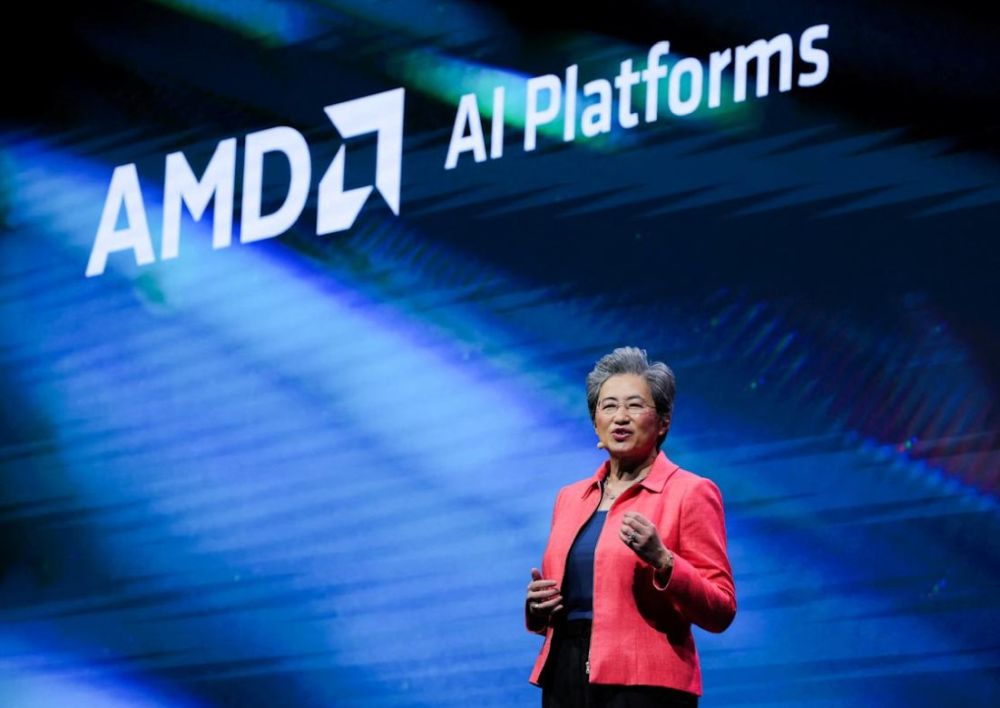
In a carefully staged meeting in Beijing, AMD CEO Lisa Su sat across from Chinese Vice Premier He Lifeng, signaling more than a routine corporate visit. The language from both sides hinted at a recalibration of tone between Washington and Beijing, with China inviting deeper cooperation while American firms tread cautiously amid export controls. The encounter appears less about immediate deals and more about testing how far engagement can stretch without triggering political backlash.
He Lifeng’s remarks framed China as an open field of opportunity, urging multinational chipmakers to align with its development agenda. Su’s response, measured yet affirmative, suggested AMD is unwilling to retreat from a market that remains central to its long term growth. Behind the formalities lies a complex equation where access, regulation, and technological sovereignty intersect. For companies like AMD, participation in China is no longer purely commercial but strategically sensitive.
The timing is notable. Su’s Beijing visit followed closely on the heels of Nvidia CEO Jensen Huang’s own engagement with Chinese leadership, forming a pattern that suggests coordinated outreach by Beijing. This comes as export restrictions continue to limit the most advanced AI chips, forcing companies to navigate a narrowing corridor between compliance and competitiveness. The meetings may be less about immediate policy change and more about shaping future negotiation space.
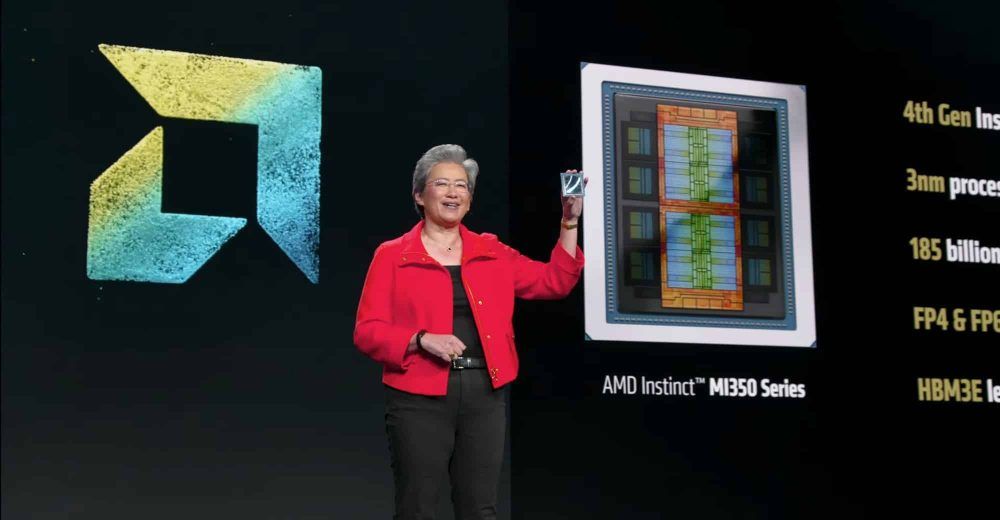
A day later in Shanghai, Su shifted tone from diplomacy to vision, projecting a world where AI adoption surges to five billion daily users by 2030. Her emphasis on China as a dynamic AI ecosystem underscores a reality that cannot be ignored. Even as geopolitical friction persists, the gravitational pull of China’s scale, talent, and infrastructure remains strong. For AMD, the message is clear but carefully balanced: stay engaged, but stay within the lines.

#AMD #ChinaTech #AIIndustry #Semiconductors #USChina #LisaSu #GlobalTech