What if the world’s most exciting chocolate came not from the vast plantations of West Africa or South America, but from a small island just north of the Tropic of Cancer? That is exactly the question Taiwan’s cocoa farmers have been quietly answering for the past two decades. Tucked into the southern county of Pingtung, a growing community of growers has turned what was once an experimental crop into a globally recognized artisan industry. The story begins with an unlikely catalyst: the decline of betel nut farming, which pushed farmers to look for alternative cash crops and led some to plant cocoa beneath the remaining palm canopy.
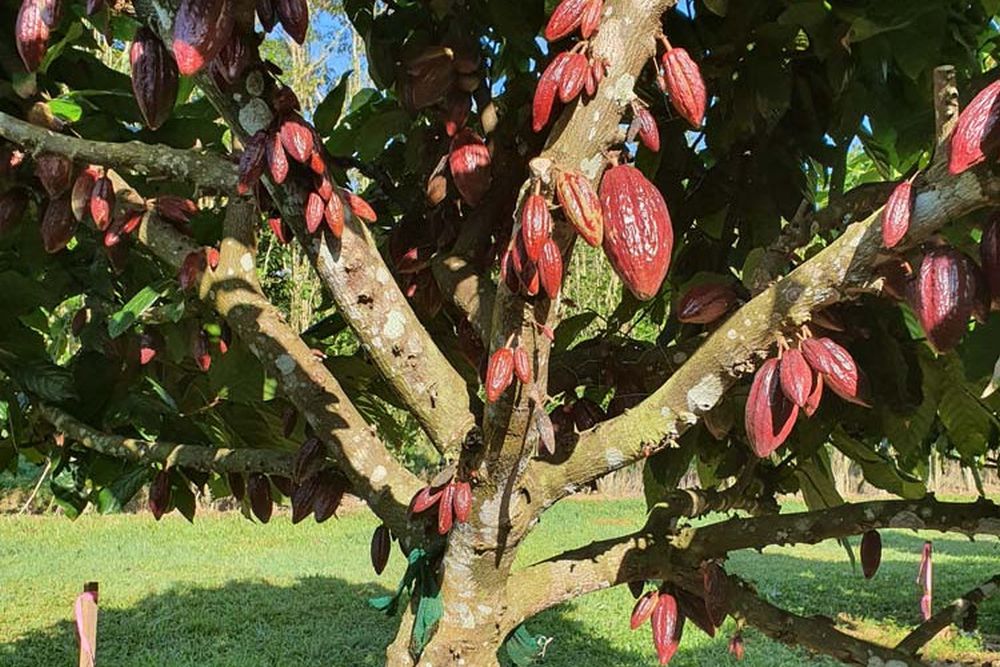
The conditions are far from ideal on paper. Taiwan sits at the northernmost edge of the global cacao belt, where cooler winters and typhoon seasons pose constant threats. Yet farmers have adapted with remarkable ingenuity, using shade trees, careful irrigation, and hands-on cultivation to coax distinctive flavors from their beans. Trees begin fruiting after three to five years and can remain productive for decades, with harvests peaking in two main seasons. The scale remains modest, with estimates ranging from a few hundred hectares to just over three hundred, producing several hundred tonnes annually, but the ambition is unmistakably large.
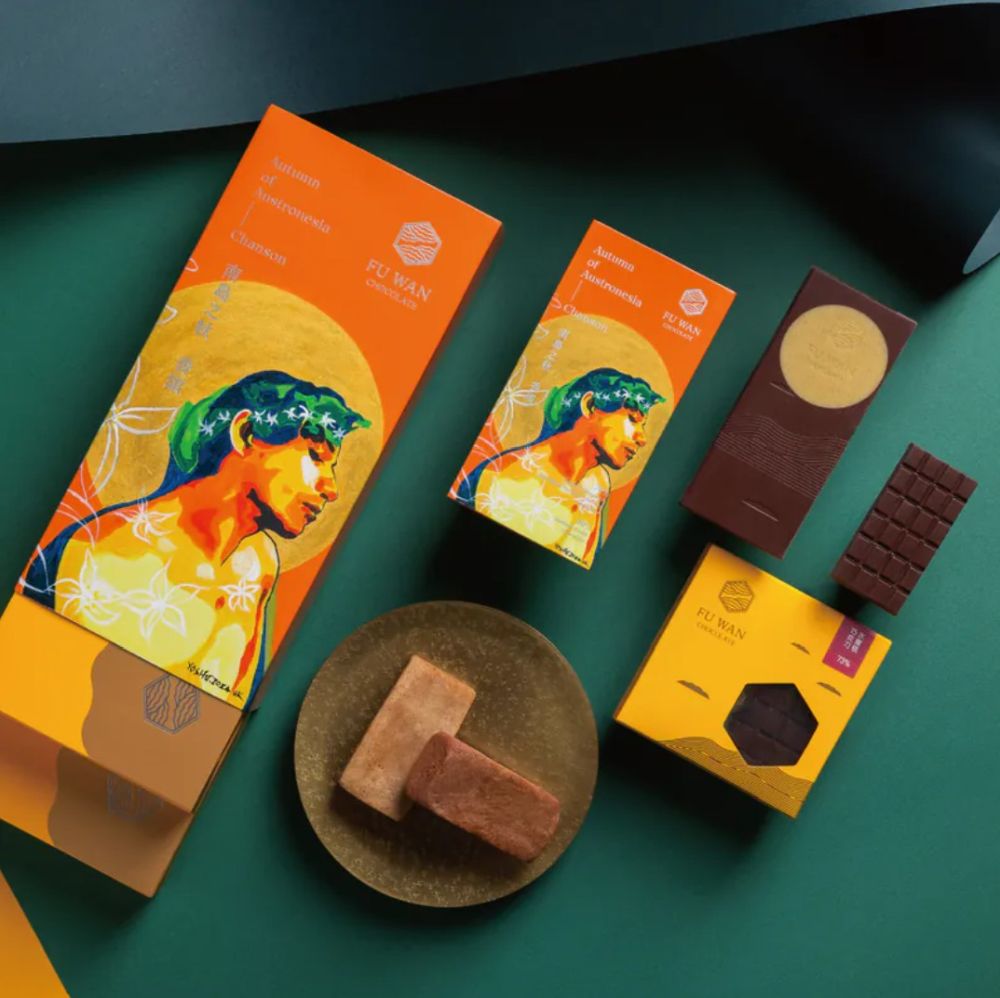
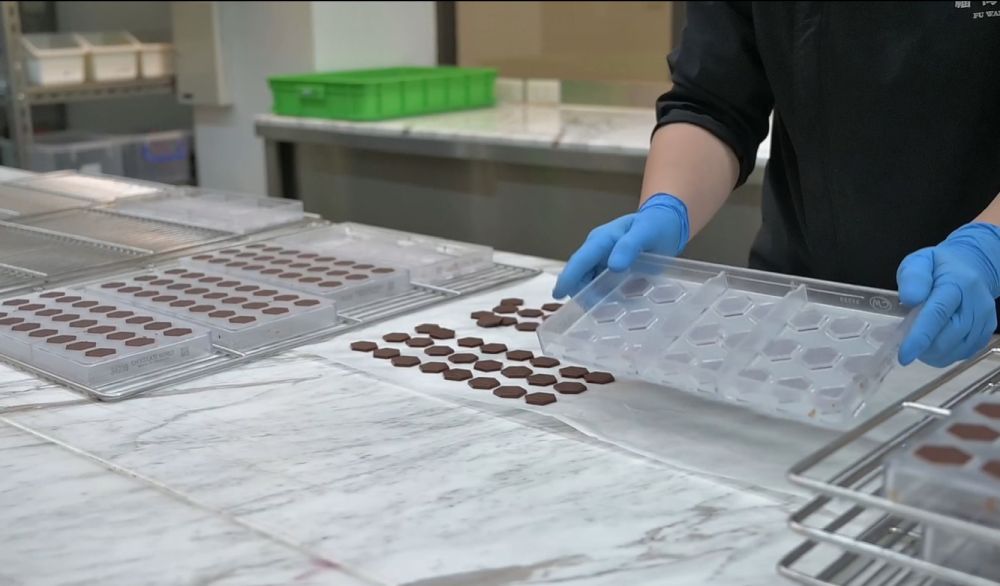
What truly sets Taiwan apart is its “Tree to Bar” philosophy. Rather than exporting raw beans, many producers handle every step themselves, from fermentation and drying to roasting and crafting the final chocolate bar. This hands-on control has translated into international acclaim, with Taiwanese makers collecting hundreds of awards at global chocolate competitions and exporting to Japan, Europe, and the United States. The result is chocolate that tastes of place, shaped by a terroir no other country can replicate, and priced as a premium craft product rather than a commodity.
Challenges certainly remain. Climate change brings droughts, erratic rainfall, and stronger storms that threaten both yield and quality, while high production costs keep Taiwanese cacao among the most expensive in the world. Local chocolate still competes with imports that dominate the domestic market. Yet the industry’s trajectory suggests something deeper is at work: a small island proving that craftsmanship, traceability, and story can outweigh sheer volume. Taiwan’s cocoa journey is less about scale and more about what happens when passionate people refuse to accept limits.
#TaiwanCocoa #TreeToBar #CraftChocolate #Pingtung #BeanToBar #TaiwanChocolate #ArtisanChocolate #CocoaFarming #SustainableChocolate #ChocolateLovers