
A profound shift is unfolding inside the world’s most powerful data centers, where Arm-based systems are rapidly displacing the long dominant x86 architecture in accelerated computing. What once appeared to be a gradual diversification has accelerated into a decisive transition, driven by the explosive demand for artificial intelligence workloads. Fresh industry data reveals that the balance of power has flipped in just a matter of quarters, raising questions about how deeply entrenched incumbents can respond.
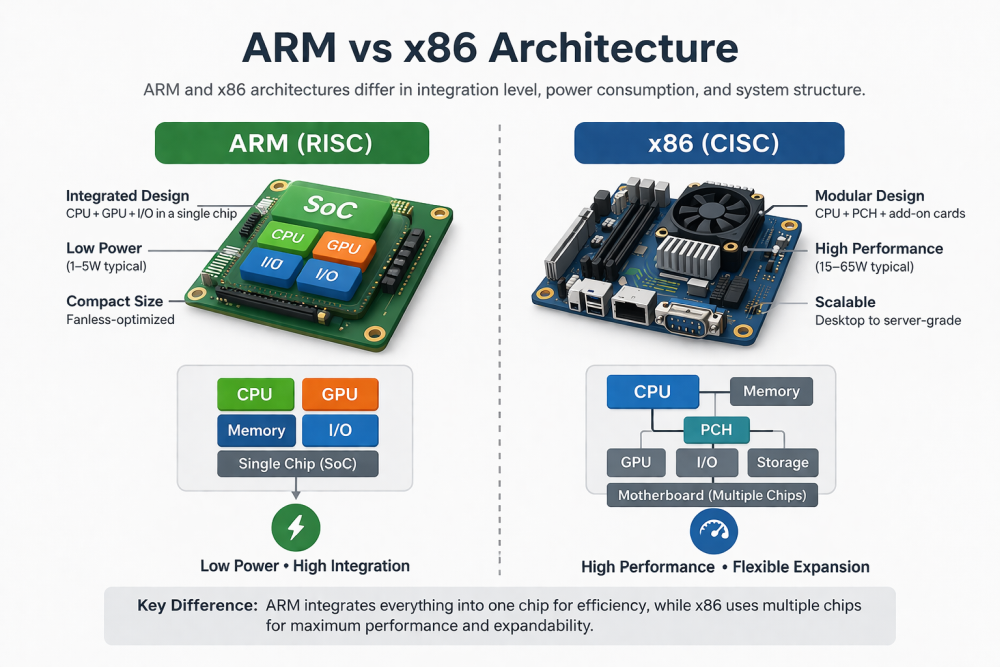
The numbers tell a striking story of reversal. In early 2026, spending on non-x86 accelerated servers, largely powered by Arm designs, surged past $50 billion in a single quarter, overtaking x86 systems that only months earlier held a commanding lead. This is not a marginal gain but a structural shift in how hyperscale operators are investing. Accelerated systems now dominate server revenues, indicating that AI specific infrastructure has become the primary battleground rather than general purpose computing.
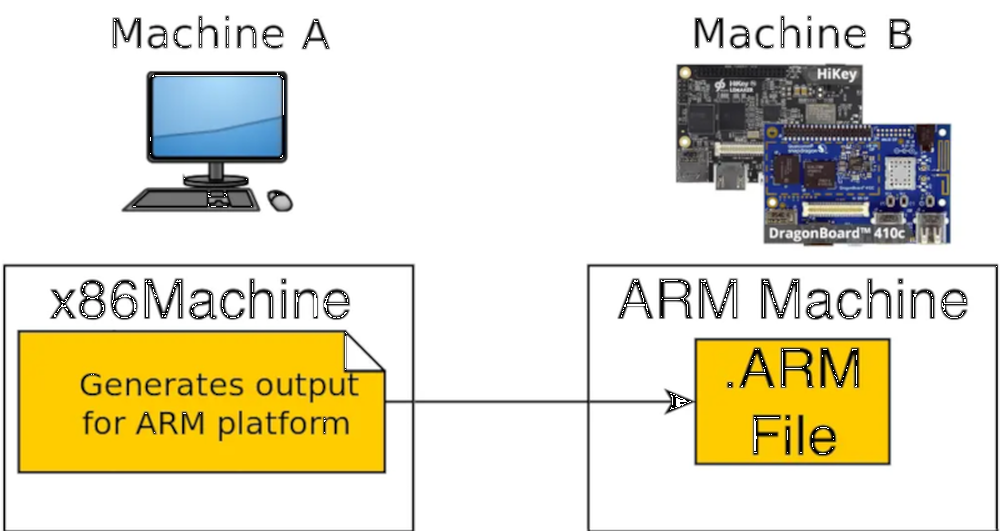
At the center of this transition are hyperscale cloud providers, whose purchasing decisions increasingly shape the global hardware ecosystem. These companies are deploying tightly integrated AI systems built around Arm based CPUs paired with advanced GPUs, optimizing performance for training, inference, and emerging agentic workloads. Custom silicon initiatives from major cloud players further reinforce this direction, reducing reliance on legacy architectures and aligning hardware design more closely with AI driven software demands.
For Arm, the implications are transformative. Long associated with mobile computing, the company is now positioning data centers as its primary growth engine, with revenues climbing and projections pointing toward a multi billion dollar future driven by AI infrastructure. If current trends persist, the rise of Arm in data centers may not simply represent competition with x86, but a redefinition of the architecture that underpins the next era of computing.

#AI #DataCenters #Arm #x86 #CloudComputing #TechShift #Semiconductors #AIInfrastructure