
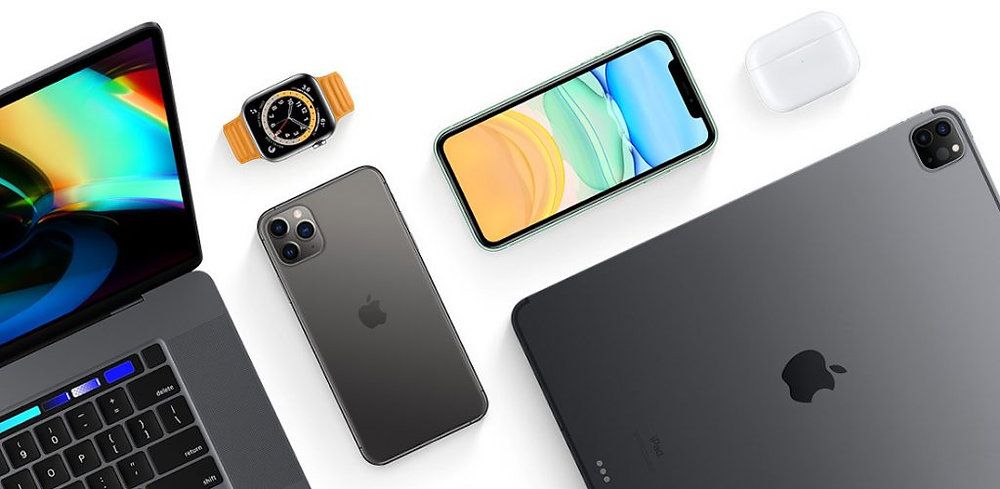
Apple’s new “Apple Upgrade” program, developed with Klarna, looks less like a simple financing option and more like a structural shift in how the company wants customers to relate to its devices. By expanding leasing beyond iPhones to include Macs, iPads, and Apple Watch, Apple appears to be testing a future where ownership becomes secondary to continuous access. The timing, alongside rising hardware prices, suggests a deliberate move to normalize monthly device spending.
The structure of the program raises important questions. Customers can upgrade, return, or buy out their devices, but the absence of bundled AppleCare+ marks a notable change from the older iPhone Upgrade Program. That omission subtly shifts more responsibility and potential cost onto the user, particularly for high end devices where repairs are expensive. What was once a relatively all inclusive upgrade cycle now becomes more fragmented.
Apple’s growing reliance on Klarna also signals a broader retreat from its earlier ambitions in financial services. After discontinuing its in house Apple Pay Later initiative, the company has leaned into partnerships with external lenders. This reduces Apple’s direct risk while still allowing it to shape consumer behavior, effectively outsourcing credit while retaining control over the ecosystem and upgrade cadence.
Taken together, the program hints at a longer term strategy where devices are treated less as products and more as subscriptions. This could tighten customer retention while making switching costs less visible but more persistent over time. The key question is whether consumers will embrace this model for its flexibility or begin to scrutinize the true cost of always staying on the latest hardware.

#Apple #Klarna #AppleUpgrade #TechFinance #Leasing #ConsumerTech