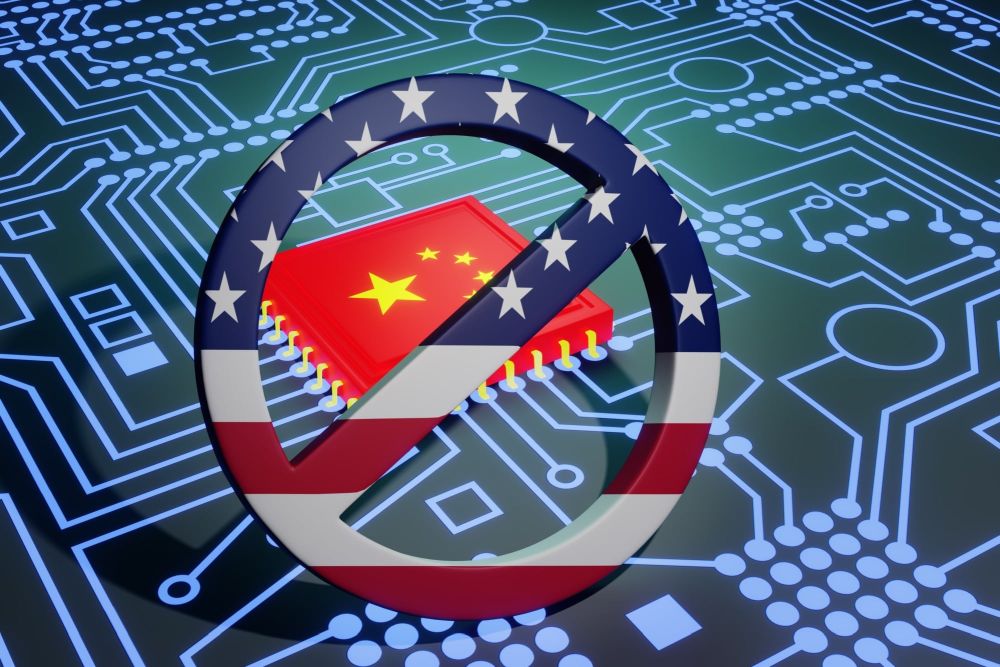
Reading Time : 2minutesU.S. Treasury Secretary Scott Bessent told G20 nations America will not accept China rivaling or supplanting it as the world’s leading economy. He urged allies to raise trade barriers against Beijing, framing containment as essential to preserving U.S. global economic primacy.
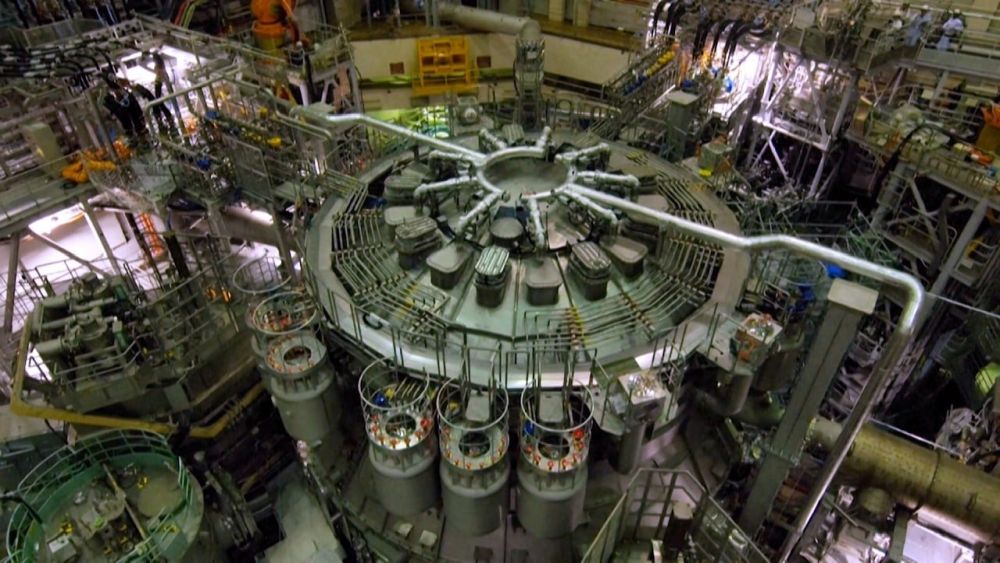
Reading Time : 2minutesAt the 2026 Fusion Energy Conference, China detailed HL-4, a tokamak built to validate high-temperature superconducting magnets under reactor-like stress. Alongside a 25-tesla magnet prototype plan by 2030 and recent large-coil milestones, the announcements mark a coordinated push to industrialize fusion components and seize the supply-chain advantage in the global race to commercialize fusion energy.
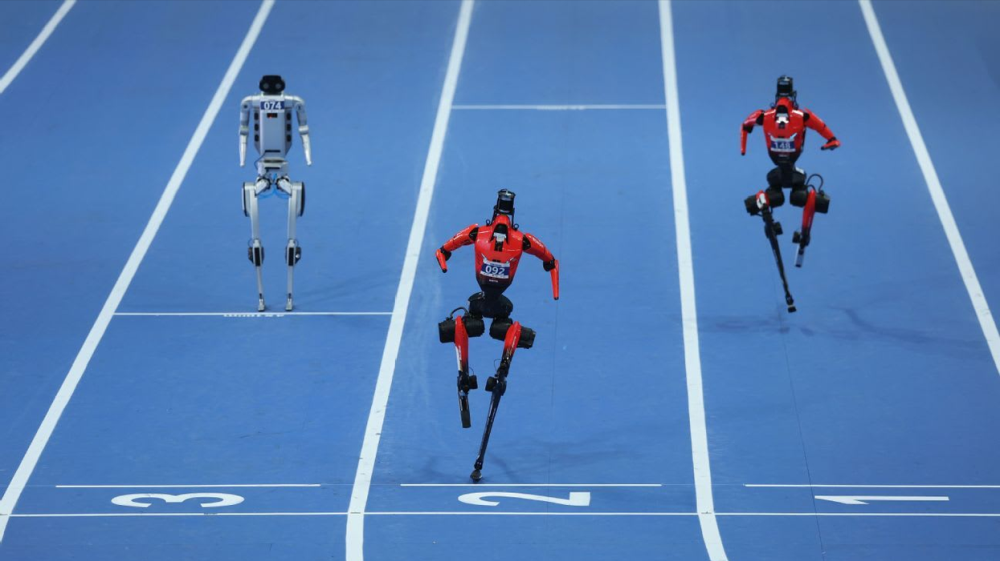
Reading Time : 2minutesHumanoid robots have broken Usain Bolt’s 100-meter record at Beijing’s World Humanoid Robot Games, with Tiangong Ultra finishing in 9.39 seconds. The event’s rapid growth and geopolitical context highlight both progress and limits. While machines now outrun humans, experts say real value depends on practical work, not just speed.
Reading Time : 3minutesAlibaba’s latest share-price jump reflects more than enthusiasm for another AI product. Alipay is attempting to build the infrastructure through which AI agents discover services, place orders and complete payments across China’s digital economy. The strategy could strengthen Alibaba’s ecosystem, but its success will depend on whether subsidized adoption becomes profitable commerce while rising AI investment continues to weigh on cash flow and earnings.
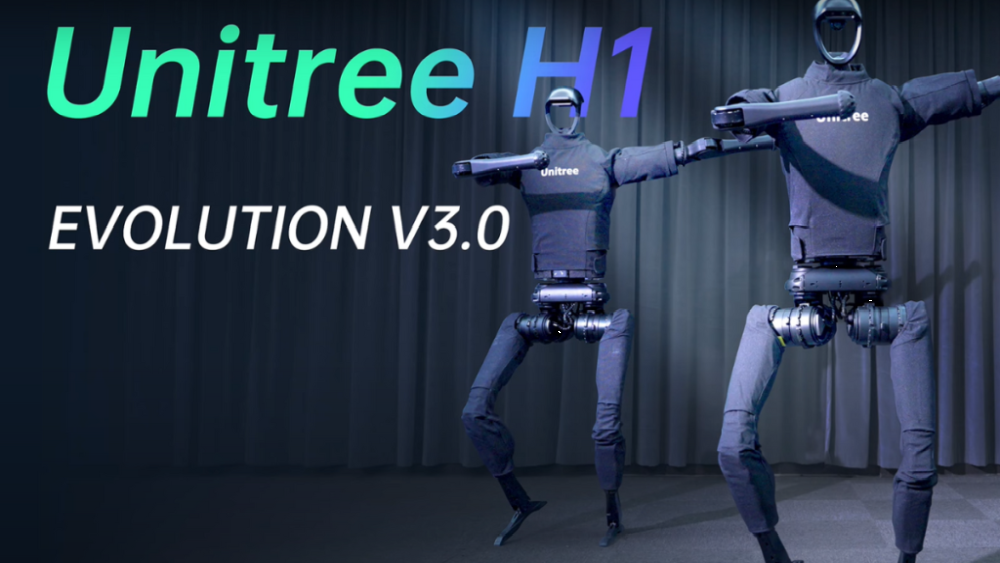
Reading Time : 3minutesUnitree Robotics just raised $904 million in a Shanghai IPO that drew 8,289 times oversubscription. The company pivoted from four-legged machines to humanoid robots, now its biggest revenue driver. Investors are betting big, but questions linger about valuation, profitability, and whether this rally reflects fundamentals or froth in the physical AI trade.
Reading Time : 2minutesChina’s manufacturing rise appears to challenge the traditional Flying Geese Model, but the evidence suggests a more complicated story. Low-cost production has moved elsewhere, even as China preserves powerful industrial ecosystems and expands into advanced sectors. The real question is not whether China ended Asia’s development path, but whether other countries can still climb it successfully in the decades ahead.
Reading Time : 3minutesA new Chinese AI model undercuts Western rivals by pricing tasks at 3 cents each. Alibaba and ByteDance expand the field as competition intensifies. The shift challenges assumptions about cost, capability, and who leads the next wave of artificial intelligence.
Reading Time : 2minutesZuckerberg challenges the US to compete through innovation rather than restriction, warning that banning Chinese AI models could backfire by cementing domestic monopolies and slowing the very progress America seeks to protect. His call for open competition marks a significant divergence from peers advocating for tighter controls.
Reading Time : 2minutesBYD’s August robot debut lands as the US bans new Chinese humanoid imports, tightening the tech cold war. Designed for showrooms, Xiaodi aims to greet customers and demo cars, not storm factories. The move signals a wider pivot from EVs to embodied AI, even as Washington builds a wall around its AI supply chain. What began as a product reveal is now a geopolitical flashpoint.
Reading Time : 2minutesChina’s slowdown is hitting BMW, Mercedes-Benz, Audi, and Porsche at the same time. BMW led the pack in volume, but Porsche suffered the sharpest percentage drop, while Mercedes-Benz and Audi also saw steep losses. The common thread is clear: German luxury brands are losing ground fast as local rivals strengthen and buyers turn away from imported prestige.
Reading Time : 2minutesThe global server CPU market is entering a period of sustained tension as AI demand accelerates faster than supply can adapt. Intel and AMD are locking in longer deals with Chinese firms, exposing pricing pressure, extended lead times, and gaps in export controls. The shift suggests deeper structural changes in how computing resources are secured and distributed worldwide.
Reading Time : 2minutesThe release of Alibaba’s open source AI stack signals a deeper shift in the global AI race. Beyond hardware, control over software ecosystems is emerging as the decisive battleground. As China accelerates efforts to build independent alternatives, the question is no longer whether competition will intensify, but how quickly developers and enterprises will respond to these new options.
Reading Time : 2minutesA widening gap between U.S. healthcare costs and household incomes is pushing patients overseas. Asia’s hospitals now offer advanced treatments at deeply discounted prices, supported by visa reforms and hybrid tourism-medical packages. While questions about follow-up care linger, the momentum is undeniable. For many, healing now requires a passport.
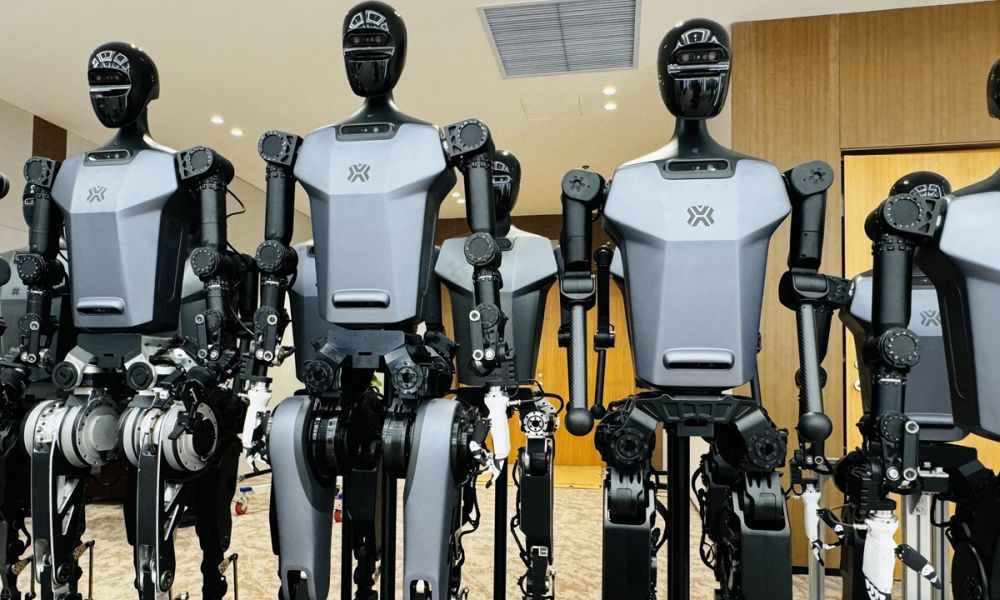
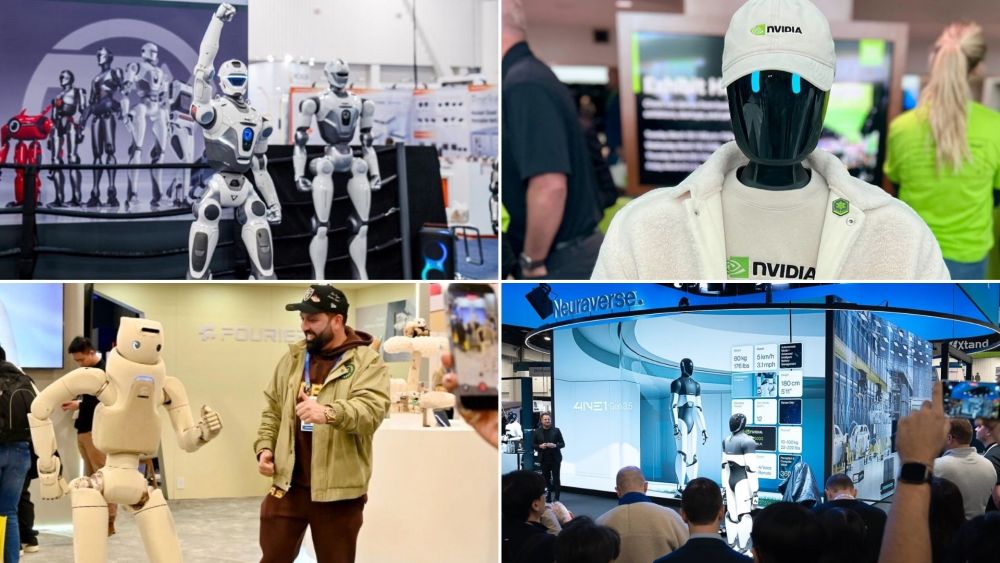
Reading Time : 3minutesIn 2025, Chinese firms shipped roughly 90% of the world’s humanoid robots, outpacing Western rivals through aggressive pricing, state-backed subsidies, and deep supply-chain advantages. While the market remains small, the imbalance signals a strategic push to turn robots into mass-produced commodities. The real contest now hinges on whether volume-driven data can overcome Western leads in advanced AI software and high-end industrial integration.
Reading Time : 2minutesTaiwan is rapidly reducing its economic reliance on China, with export shares falling and new markets rising. While total trade still grows, Taipei is shifting toward the United States and other partners, driven by semiconductors and geopolitical pressure. The trend reflects both strategic diversification and rising concerns over economic leverage across the Taiwan Strait.