
Each March, Beijing hosts one of the most closely watched political gatherings in the world. Known as the Two Sessions, the meetings bring together China’s legislative body and political advisory council to outline national priorities. This year the discussions carry particular weight, marking the beginning of a new five year plan that will guide the country’s economic and technological direction through the end of the decade.
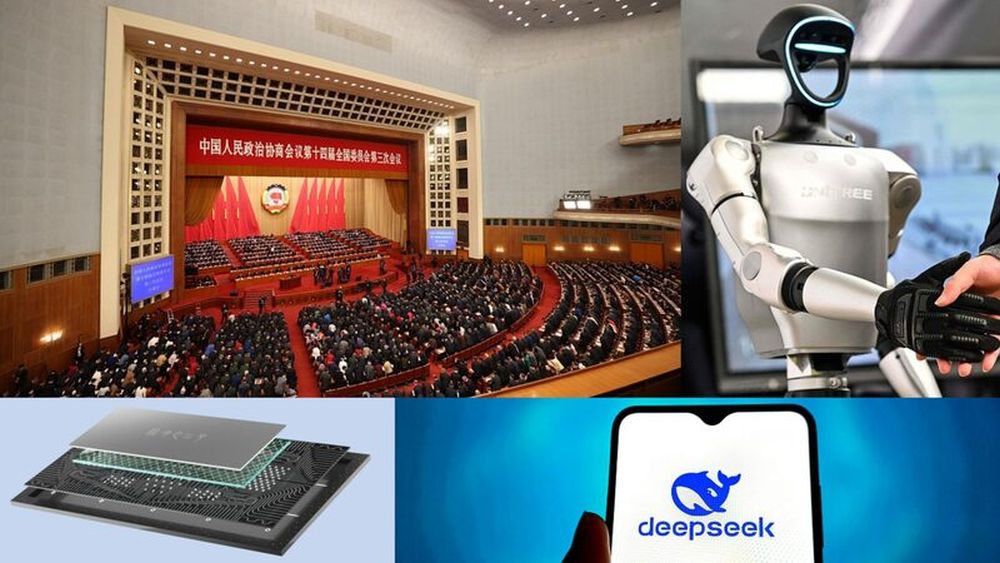
The message emerging from the meetings is unmistakable. China intends to push far beyond its long standing reputation as the world’s manufacturing hub and position itself as a leading technological power. Officials are highlighting a wide set of strategic sectors that could shape the next phase of economic growth, including artificial intelligence, advanced telecommunications, biotechnology, robotics, and next generation energy systems.
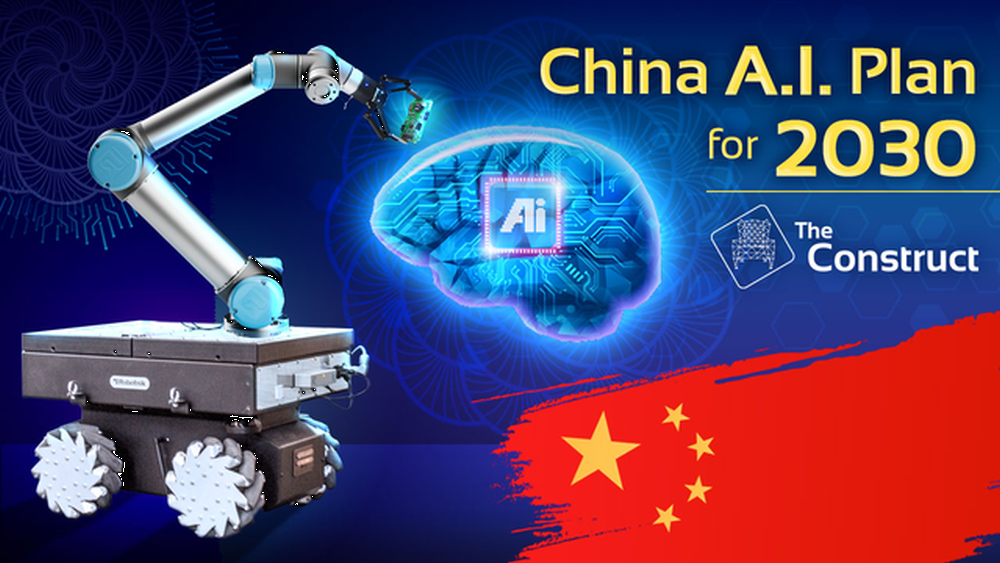
Artificial intelligence sits at the center of the strategy. Rather than focusing only on headline grabbing models, Chinese planners emphasize large scale deployment across industry, healthcare, and urban management. Hospitals, factories, and transportation networks are increasingly viewed as living laboratories where AI tools can analyze enormous flows of data and deliver practical outcomes. This pragmatic approach reflects a broader effort to integrate technology deeply into everyday systems.
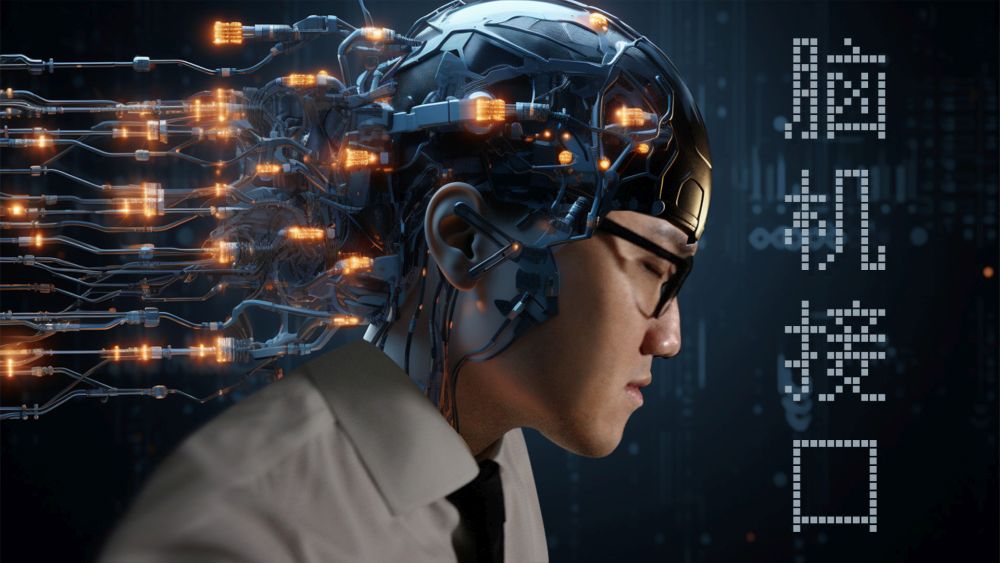
Another field drawing quiet but significant attention is neurotechnology. Researchers are advancing brain computer interfaces aimed at restoring communication or mobility for patients with neurological conditions. At the same time, the country is investing heavily in robotics, including humanoid machines designed to support logistics and elder care. Together these fields reveal a long term vision where artificial intelligence, neural science, and robotics gradually converge into a new technological ecosystem.

#China #Technology #AI #Robotics #Neurotechnology #Innovation #TwoSessions