Intel’s warning that the memory shortage will worsen is becoming harder to dismiss as a temporary disruption. Chief Executive Lip-Bu Tan says memory prices have already climbed five to seven times, while limited production capacity is delaying projects across the technology industry. The pressure is particularly severe for lower-cost smartphones and laptops, where memory can account for most of a device’s total cost.
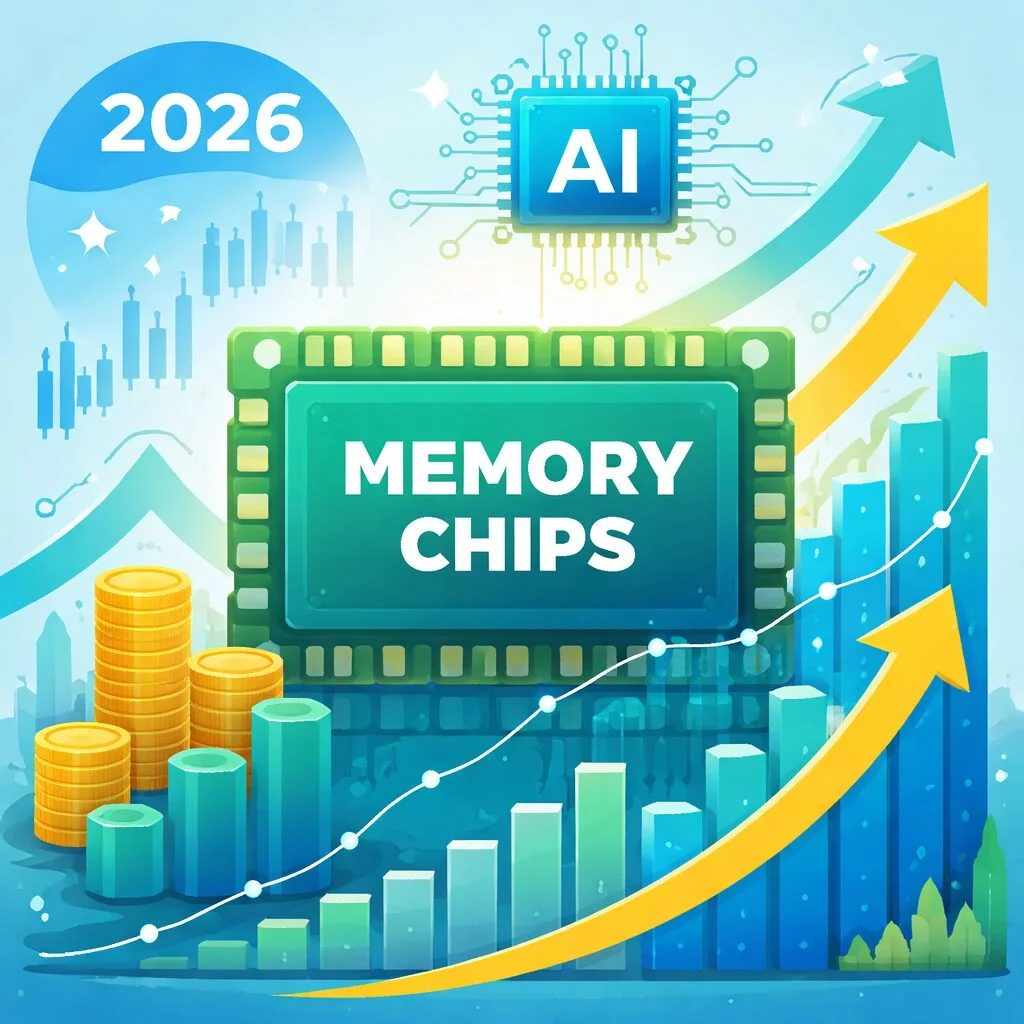
The underlying problem is not simply stronger demand for conventional computer memory. Artificial intelligence systems require vast quantities of high-bandwidth memory and server DRAM, and the shift from training large models toward inference and agent-based systems could increase demand further. Industry executives argue that this demand is expanding much faster than manufacturers can build new fabs, install equipment, and bring additional output online. That mismatch explains why the shortage is unlikely to disappear quickly. New facilities require years of construction and qualification, while high-bandwidth memory consumes substantially more manufacturing capacity per gigabyte than conventional products. Some industry estimates place meaningful relief as late as 2028 or 2029, and even those projections depend on demand, technology transitions, and factory execution remaining broadly on schedule.

Manufacturers are responding by changing how memory is sold. Rather than relying primarily on short-term market demand, major producers are securing multiyear agreements with large data center customers. One leading manufacturer expects long-term contracts to cover roughly 60 to 70 percent of its production capacity, with rolling five-year arrangements, advance payments, and pricing protections. That strategy offers producers investment security, but it may leave smaller buyers, consumer electronics companies, and startups competing for the supply that remains.finance.
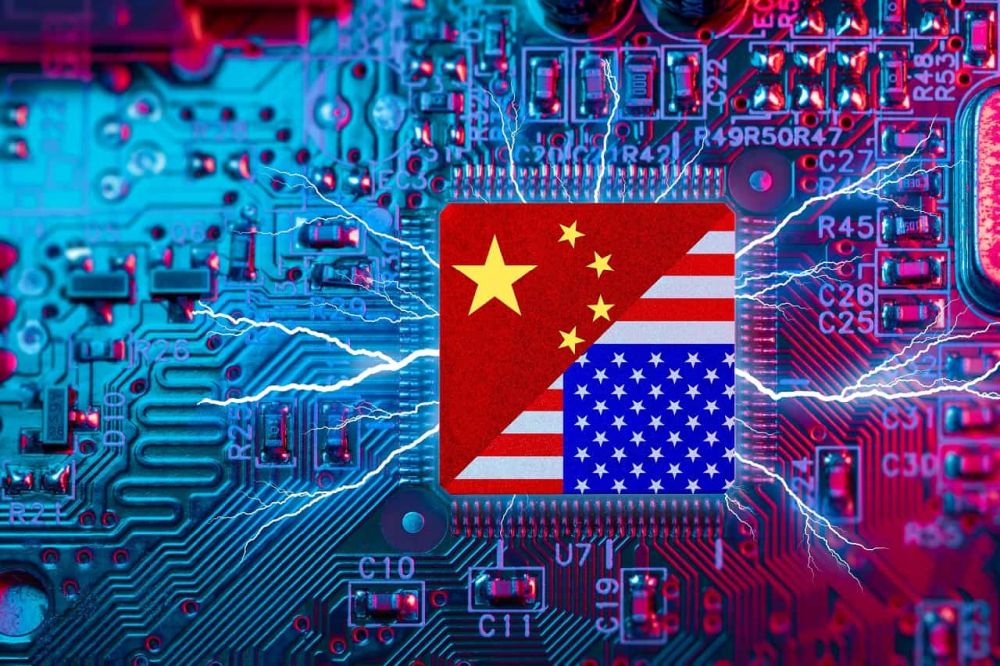
The emerging concern is therefore not only whether memory becomes more expensive, but whether it can be obtained at all. As the AI buildout absorbs more chips, electricity, advanced packaging, and cooling capacity, memory is becoming a strategic resource rather than an ordinary component. The companies with cash, scale, and long-term contracts may secure the best position, while everyone else could face higher prices, delayed launches, and a shrinking ability to plan.

#DDR4 #DDR5 #RAM #MemoryShortage #Semiconductors #AIInfrastructure #ComputerHardware #PCUpgrade #Technology #SupplyChain