
At first glance, Groq and Grok look like two spellings of the same thing. They are not. Grok is the AI chatbot developed by xAI, while Groq is a completely different company that developed specialized hardware for running AI models at remarkable speed. The similarity is more than a coincidence, however. The word “grok” comes from science fiction and means to understand something deeply. Groq borrowed the idea while changing the spelling, creating one of the more confusing naming accidents in today’s rapidly expanding AI industry.
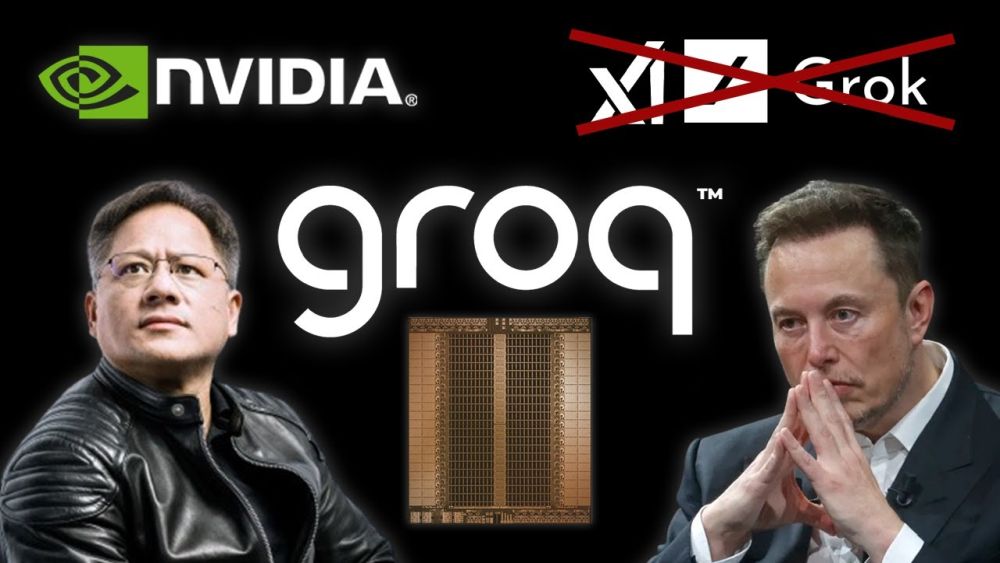
The more interesting story begins with Nvidia. Rather than simply competing with Groq, Nvidia has effectively brought Groq’s technology and much of its expertise into its own ecosystem through a deal reported at around $20 billion. The result is the Groq 3 LPX, a specialized inference system designed to execute trained AI models with extremely low latency. This is important because training an AI model and actually using it are two very different problems. Nvidia’s GPUs are extraordinarily powerful general-purpose engines for AI, but inference can benefit from hardware designed specifically to push responses out as quickly as possible.
That raises an obvious question: why would Nvidia, already dominating AI accelerators, need something like Groq? The answer may lie in where AI is heading. Traditional chatbots simply generate an answer. Increasingly, AI agents are expected to reason, call tools, inspect results, reason again and continue until a task is completed. In that environment, every delay gets multiplied. A specialized inference architecture that can generate enormous numbers of tokens with very low latency could therefore become less of a niche accelerator and more of a critical component in future AI infrastructure.
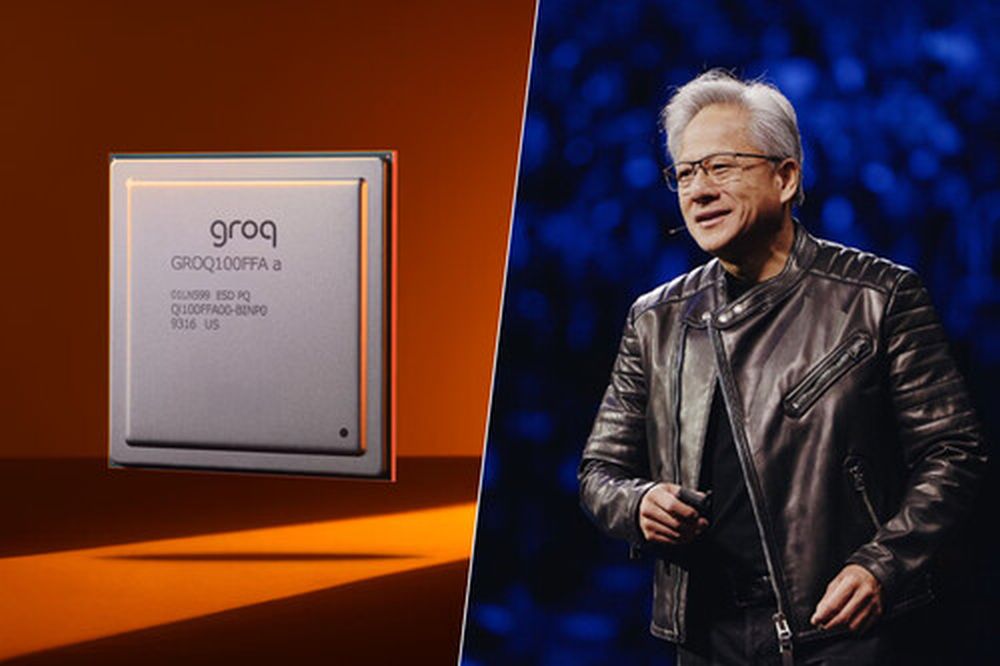
The really intriguing part is what Nvidia may be signalling about the future. The company does not appear to be betting against its GPUs. Instead, it is assembling a broader computing stack in which different processors handle different jobs. GPUs can provide enormous computational horsepower, while Groq technology can attack the problem of getting an answer out quickly. Meanwhile, Grok belongs to an entirely different story involving xAI. So if you see headlines about Nvidia, Groq and Grok in the same week, look twice. One is a chip technology, one is an AI model, and the distinction may tell us quite a lot about where the AI industry is heading.

#Nvidia #Groq #Grok #AI #ArtificialIntelligence #AIChips #Inference #AIAgents #MachineLearning #xAI