
Alibaba’s latest rally is being presented as an AI breakthrough, but the market’s reaction may reveal a more immediate calculation. Shares rose as much as 5% in Hong Kong after Alipay introduced an all-in-one platform designed to help merchants automate services through AI agents. The timing is crucial: investors are positioning ahead of Alibaba’s June-quarter earnings, while the company remains under pressure to prove that heavy AI spending can translate into durable growth rather than another costly technology race.

Alipay’s strategy reaches beyond conventional digital advertising or chatbot customer service. Its platform is intended to convert merchants’ existing operations into “agent-ready” services that can be discovered, ordered and paid for through natural-language interactions. At the center is Ah Bao, an AI service agent launched in June that Alipay says can connect consumers with more than 10,000 everyday services, including bill payments, coffee orders, pet services and electric-vehicle charging. Brands such as KFC, Luckin Coffee and Mixue Bingcheng are already being drawn into the system.
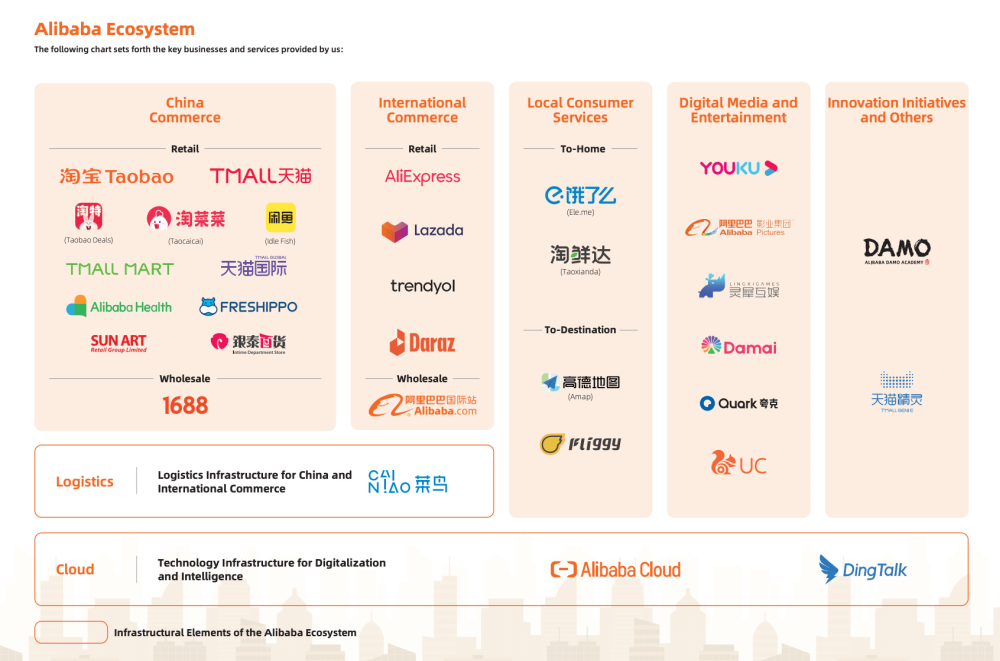
The more consequential ambition is control over the infrastructure linking consumers, merchants and machines. Alipay’s AHA protocol is designed to let services operate across smartphones, vehicles, AI glasses and other connected devices, rather than remaining confined to a single application. The company says Ah Bao is connected with five major smartphone manufacturers representing more than 70% of China’s market, as well as 16 automakers. If those connections scale, Alipay could become a transaction layer for agentic commerce, giving Alibaba influence over how AI assistants search, recommend, purchase and complete services.
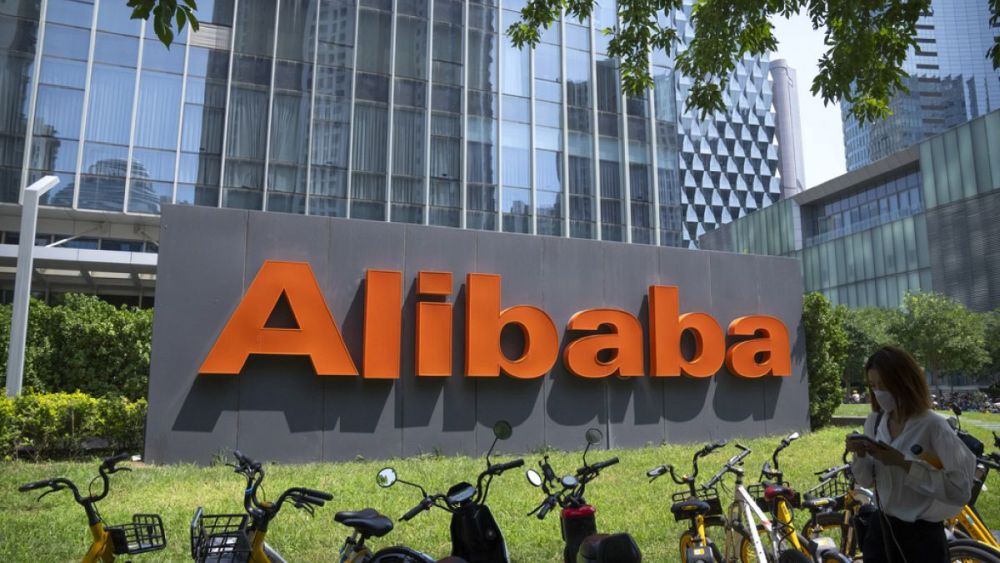
Yet the rally also exposes the central risk. Analysts expect Alibaba’s revenue to grow 8.4% for the June quarter, but free cash flow is projected to remain negative as the group pours money into AI infrastructure and products. Alipay is offering developers and merchants 100 million free tokens per participant, transaction subsidies and lower payment fees to accelerate adoption. Such incentives may help build a network quickly, but they also raise questions about customer acquisition costs, merchant dependence and whether agentic commerce can generate profits at scale. Investors may be rotating toward Alibaba because its cloud and AI story appears more visible than rivals’, but this week’s earnings must show that the story is becoming an operating advantage.

#Alibaba #Alipay #AgenticCommerce #ArtificialIntelligence #AI #ChinaTech #CloudComputing #Ecommerce #Investing #Technology