
A new home robot is raising a question that the consumer technology industry has avoided for years: what would happen if the machines in our homes were designed to be opened, copied, repaired, and taught by their owners? Sourccey, developed by Vulcan Robotics, is presented not as a sealed appliance, but as an experiment in accessible robotics. Its body can be 3D printed, its electronics can be examined, and its software can be modified. The ambition is unmistakable: soon everybody will have a robot, and the company believes those robots should not remain mysterious black boxes.
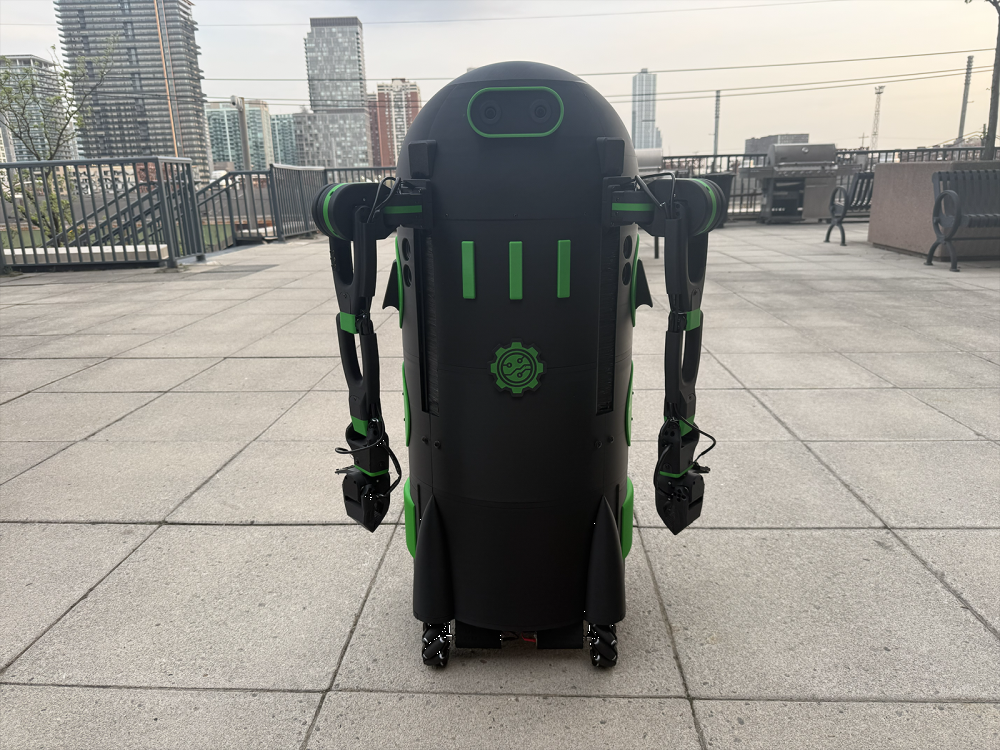
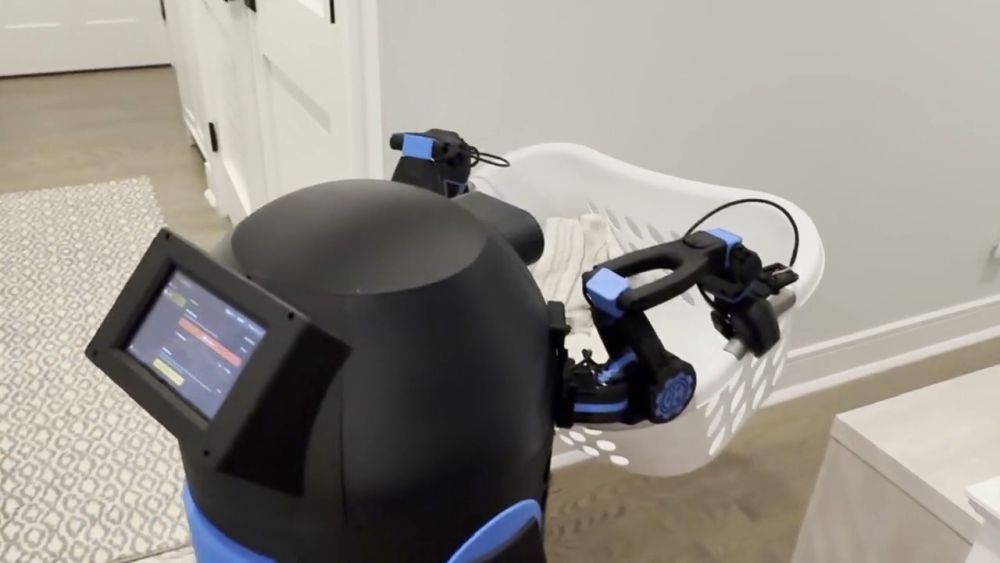
Sourccey is built from comparatively ordinary components, including desktop manufactured plastic parts, a Raspberry Pi 5, four cameras, a 360 degree LiDAR sensor, and mecanum wheels for movement in multiple directions. Its two articulated arms are intended to handle practical household work, rather than simply demonstrate movement in a laboratory. That includes folding clothes, one of the robot’s initial tasks. Yet the more important investigation may concern reliability. Can a machine assembled from downloadable designs perform consistently in the clutter, confusion, and unpredictability of a real home?
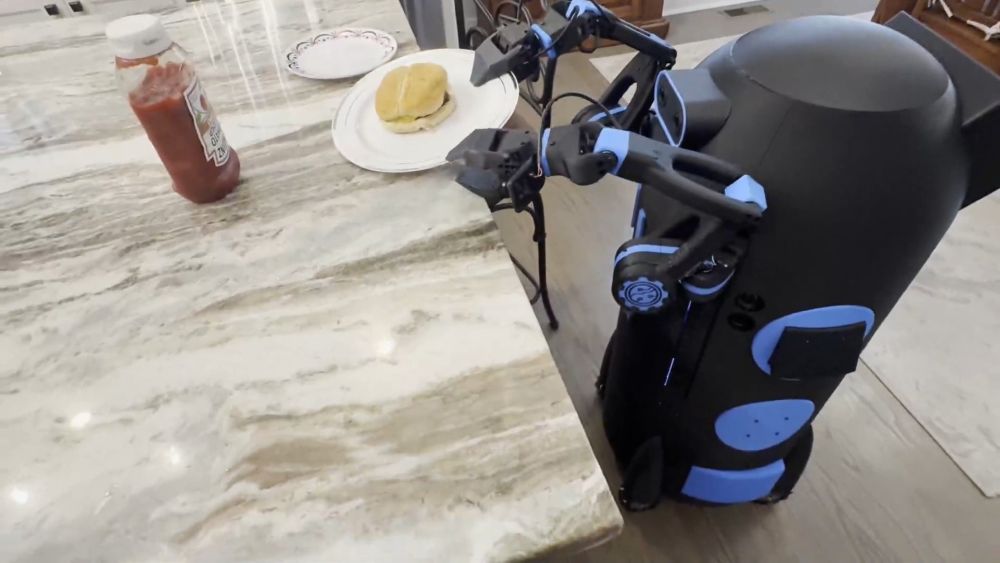
The robot’s defining feature is its learning process. Instead of programming every action by hand, users can operate Sourccey through matching control arms or a virtual reality headset, demonstrate a task, and use those recordings to train the system. This approach turns the owner into both customer and instructor. It also raises difficult questions about privacy, safety, training quality, and responsibility when a robot makes a mistake. The open architecture may invite innovation, but it could also shift much of the work of improving a household machine onto the people who buy it.
The next stage will test whether this vision can survive contact with the market. An open source robot can attract makers, researchers, and developers, but ordinary households will demand more than clever designs. They will want dependable software, easy repairs, safe movement, affordable parts, and clear answers about what the robot records. If Sourccey can meet those expectations, it could help transform home robots from expensive curiosities into adaptable tools. The larger prediction remains bold, but increasingly plausible: soon everybody will have a robot, and the first widely accepted ones may be the machines people can understand and change themselves.

#Robotics #OpenSource #HomeRobots #3DPrinting #ArtificialIntelligence #Makers #FutureTech