
In a quiet warehouse in California, a new kind of experiment is unfolding that could reshape how machines learn. Human workers, equipped with headsets that track brain activity, are performing simple physical tasks while robots observe and learn. What makes this different is not the movement itself, but the invisible signals behind it. Researchers are now attempting to capture intent, confusion, and error directly from the human brain, turning thought patterns into training data for artificial intelligence.
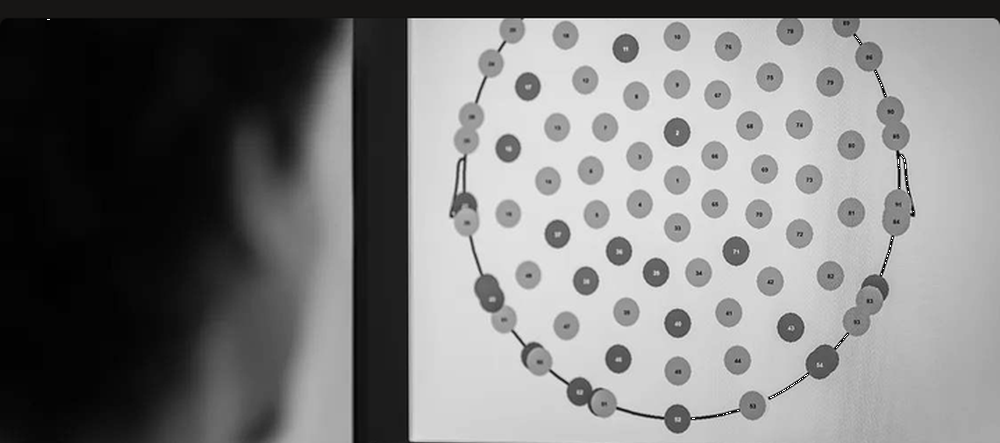
At the center of this effort is a collaboration between a data infrastructure company and a neuroscience lab aiming to address a persistent bottleneck in robotics. Unlike language models that thrive on vast amounts of text scraped from the internet, physical AI faces a scarcity problem. Real world actions must be recorded, labeled, and interpreted, a process that is both expensive and time consuming. By layering brain wave data onto traditional video and motion capture, developers hope to give machines a deeper understanding of human decision making during tasks.

The implications are significant. Early findings suggest that spikes in brain activity can reveal moments where tasks become cognitively demanding, offering clues about when AI systems should allocate more computational resources. This could allow robots to adapt in real time, improving precision in delicate operations or reducing errors in repetitive industrial work. Yet the approach also raises questions about scalability, privacy, and whether such intimate data can truly generalize across different users and environments.
Economically, the push to manufacture high quality training data is becoming a race of its own. Highly detailed datasets, enriched with annotations and biological signals, are proving far more valuable than raw footage alone. Companies are investing heavily in sensor technology, global data collection networks, and specialized training environments. As competition intensifies, the ability to capture not just what humans do, but how they think while doing it, may define the next frontier in artificial intelligence.

#AI #Robotics #BrainTech #MachineLearning #TechInnovation #FutureOfWork