
Moonshot AI’s latest release, Kimi K3, was meant to mark a defining leap in open-weight artificial intelligence. Instead, within days of launch, the company was forced into an unexpected retreat. Subscriptions were abruptly paused after a flood of users overwhelmed available GPU capacity, raising immediate questions about whether the company underestimated demand or overestimated its readiness to operate at this scale.
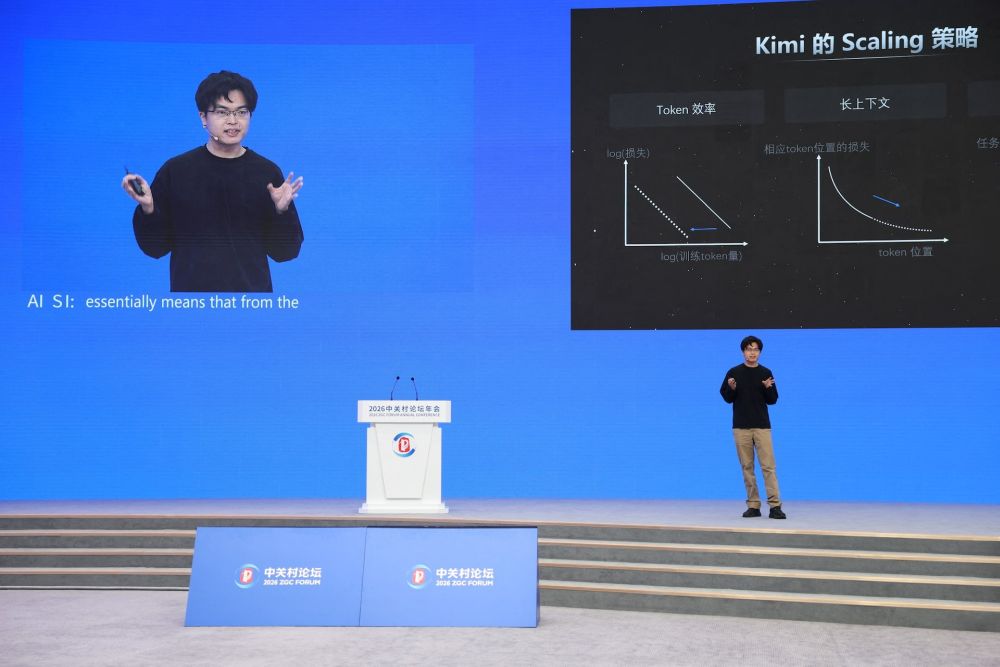
Kimi K3 is not a modest upgrade. With 2.8 trillion parameters, a one million token context window, and integrated vision capabilities, it positions itself among the most ambitious models ever introduced. Early benchmark results suggest it performs close to top-tier Western systems, even surpassing them in areas such as long-context reasoning and front-end coding tasks. That level of performance appears to have triggered a surge far beyond internal projections, pushing infrastructure to its breaking point within 48 hours.
The company’s response signals deeper structural strain beneath the headline success. By splitting its offering into separate memberships for general use and coding workflows, Moonshot AI is attempting to ration compute resources more strategically. This move suggests that the bottleneck is not temporary traffic but a fundamental mismatch between demand intensity and available processing power, particularly for high-compute workloads tied to advanced reasoning and code generation.
At the same time, Moonshot AI is preparing to release the full model weights, a decision that could redistribute demand across the wider developer ecosystem. While this may relieve pressure on its own systems, it also shifts the competitive landscape, potentially accelerating adoption while reducing direct control over usage. The situation raises a larger question: whether open-weight frontier models can scale sustainably without massive infrastructure backing, or if success at this level inevitably exposes the limits of even the most ambitious AI deployments.

#AI #ArtificialIntelligence #KimiK3 #MoonshotAI #TechNews #AIModels #GPU #OpenSource