
Beneath the noise of AI demos and glossy prototypes, a quieter but more consequential shift took place in 2025 as Chinese manufacturers shipped the overwhelming majority of humanoid robots sold worldwide. Industry accounts point to firms like Unitree and Agibot moving thousands of units at prices thatWestern rivals cannot match, turning what was once a laboratory curiosity into a volume-driven business almost overnight. This is not about a single breakthrough but a coordinated push that treats robots as the next mass-produced hardware category, with factories, subsidies, and supply chains already primed from the electric vehicle boom.
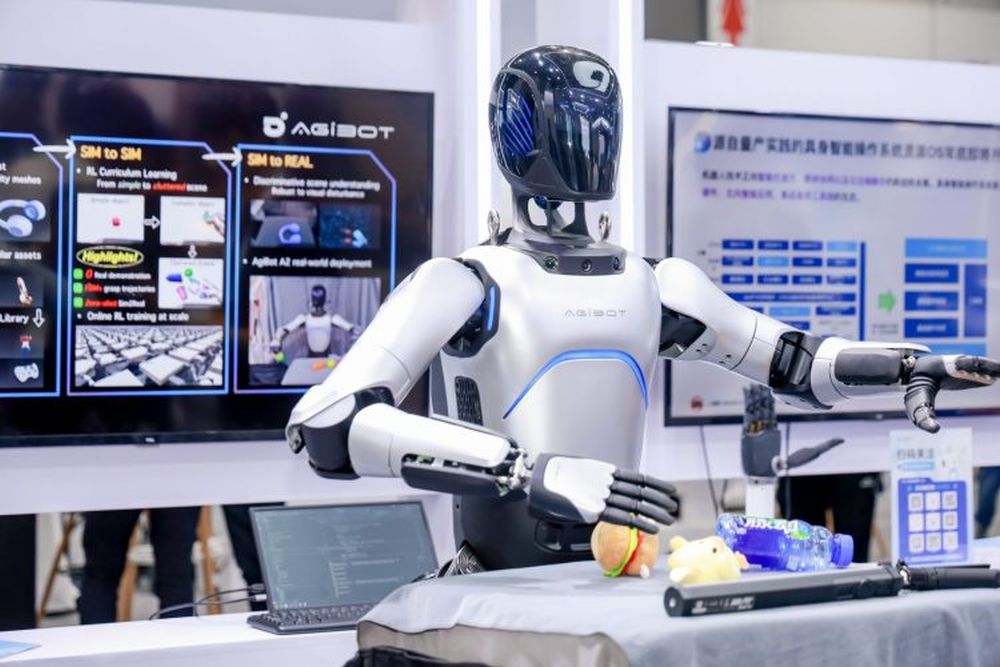
The numbers tell a stark story of scale. Reports circulating through 2025 and early 2026 describe Chinese companies responsible for roughly nine out of ten humanoid robots delivered globally, with individual players each surpassing five thousand shipments while leading American efforts remained in the low hundreds. These figures emerge from a market still small in absolute terms, yet the imbalance is striking enough to draw comparisons to a new industrial arms race. The strategy mirrors the electric vehicle playbook: subsidize early, flood the market with affordable models, and let deployment volume generate the data and experience needed to climb the learning curve faster than competitors.
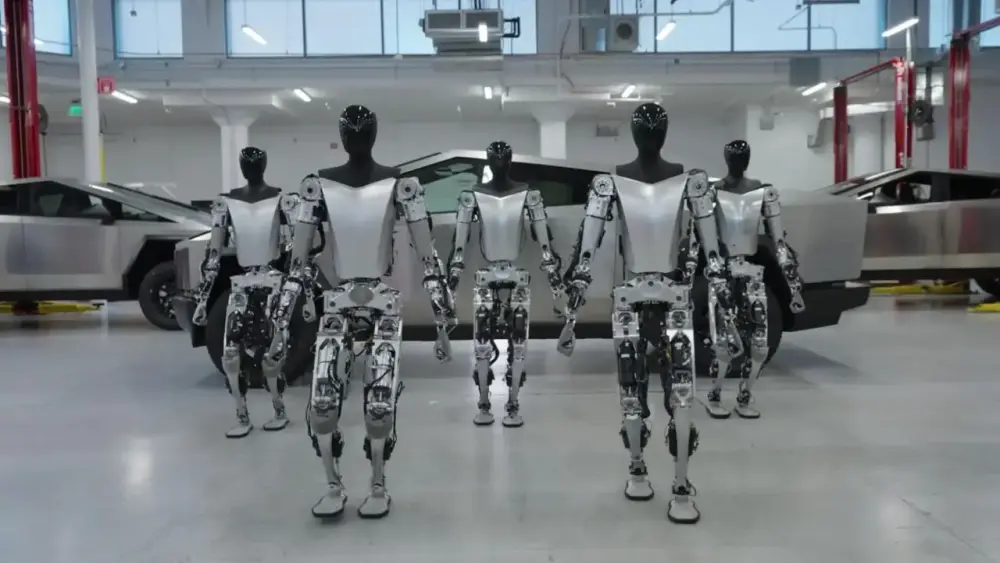
Behind the shipment totals lies a deeper structural advantage rooted in policy and production. National plans now explicitly elevate embodied intelligence and robotics, channeling billions into an ecosystem that spans component makers, integrators, and end users. Mature supply chains for batteries, motors, and sensors keep costs down, while high-profile domestic showcases normalize the sight of humanoid machines at work and in public life. The result is a commercialization tempo that leaves Western firms debating ethics and safety standards even as Chinese operators rack up real-world hours in factories, warehouses, and pilot programs across industries.
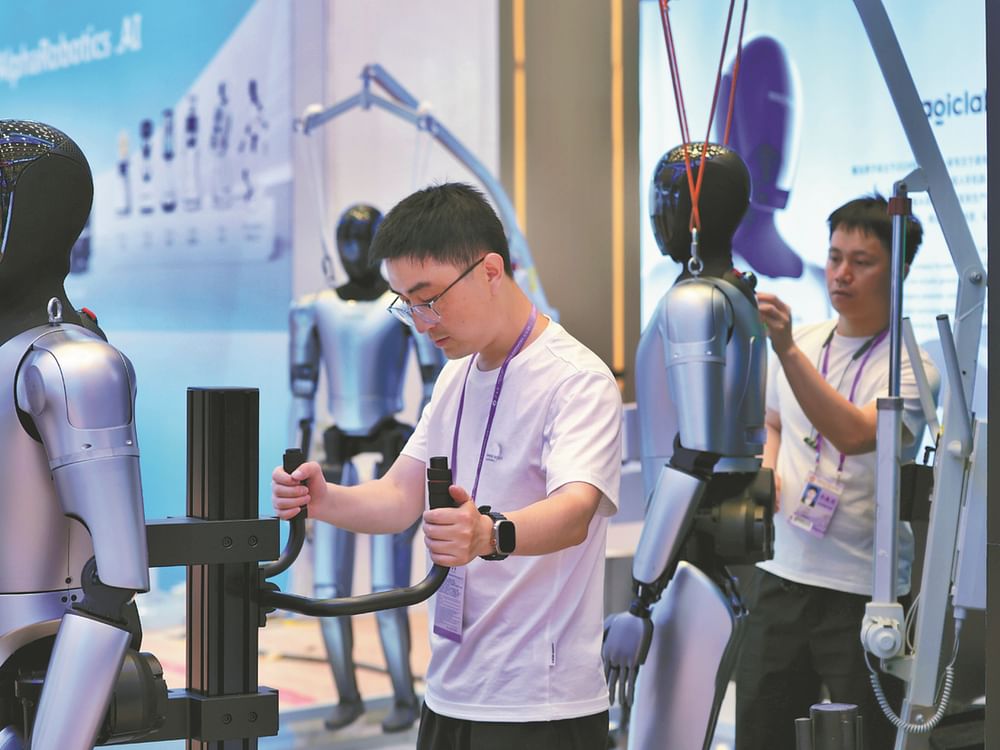
Yet the race is far from decided, because hardware volume is only one front in the battle for physical AI. Analysts and insiders argue that American and allied companies still hold edges in advanced control software, foundation models for robot behavior, and integration with high-value industrial partners. The question now is whether China’s flood of affordable machines will generate enough operational data to close that gap, or whether superior AI stacks and tighter safety regimes will keep Western players in the lead for the most demanding applications. What began as a niche hardware contest is quickly becoming a defining contest of the decade, with factory floors replacing launch pads as the arena where technological supremacy will be measured.

#HumanoidRobots #PhysicalAI #ChinaTech #RoboticsRace #AIHardware #IndustrialAutomation #TechGeopolitics #FutureOfWork #EmbodiedIntelligence #AIEra