
Recent surveys reveal a subtle thaw in how Americans perceive China, with favorable opinions climbing to 27 percent this year, up from a dismal low just a few years back. Investigators might probe what is driving this change amid persistent geopolitical friction. Could it be softening rhetoric from Washington or glimpses of everyday life in China filtering through social media feeds? Skeptics question if this uptick masks deeper distrust, as unfavorable ratings still dominate at 71 percent. Digging deeper, party lines show Democrats warming faster, hinting at political undercurrents at play.
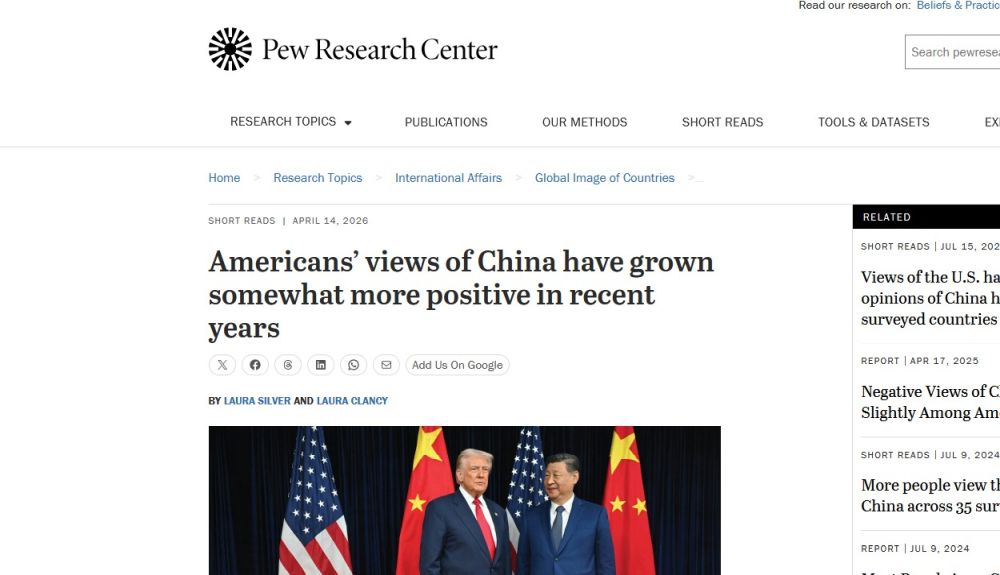
Delving into demographics uncovers sharper divides. Younger Americans under 50 express more positivity, with 34 percent viewing China favorably compared to just 19 percent among those over 50. This generational gap raises eyebrows: are Gen Z and millennials swayed by cultural exchanges, K-pop influences, or economic ties through apps like TikTok? Meanwhile, fewer now label China an outright enemy, dropping to 28 percent from higher marks previously. Investigators would scrutinize if this reflects fatigue from endless headlines or genuine reevaluation of Beijing’s global role.
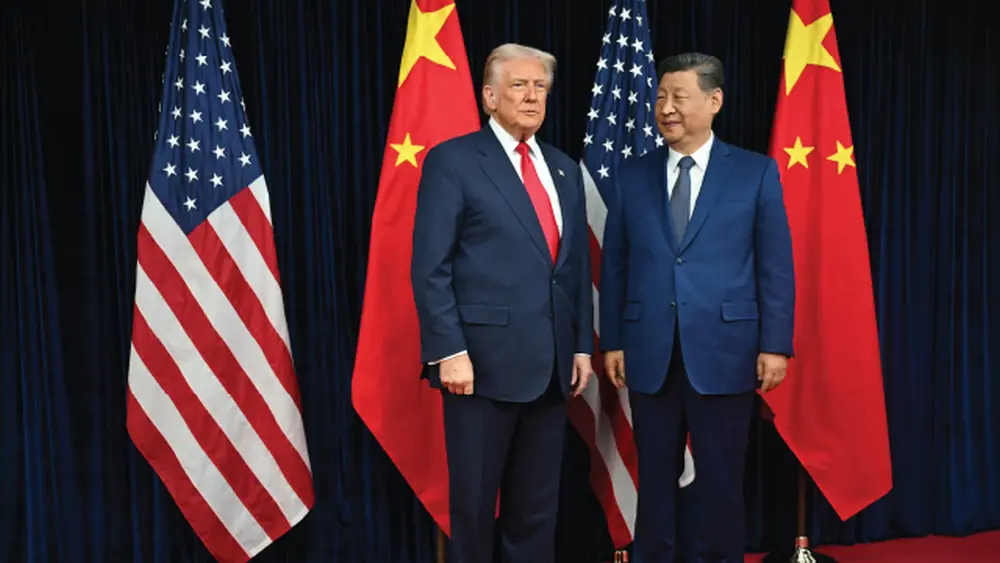
Confidence in China’s leadership also edges up, doubling in some measures since rock bottom levels. Yet, most still see the nation as a competitor rather than a partner. What invisible forces might accelerate or reverse this trend? Ongoing trade spats, tech rivalries, and human rights debates linger like shadows. As U.S. politics heat up, with whispers of high-level summits on the horizon, one wonders if leaders are reading the same polls and plotting diplomatic pivots.

#ChinaUSRelations #PewPoll #PublicOpinion #Geopolitics #AmericanViews