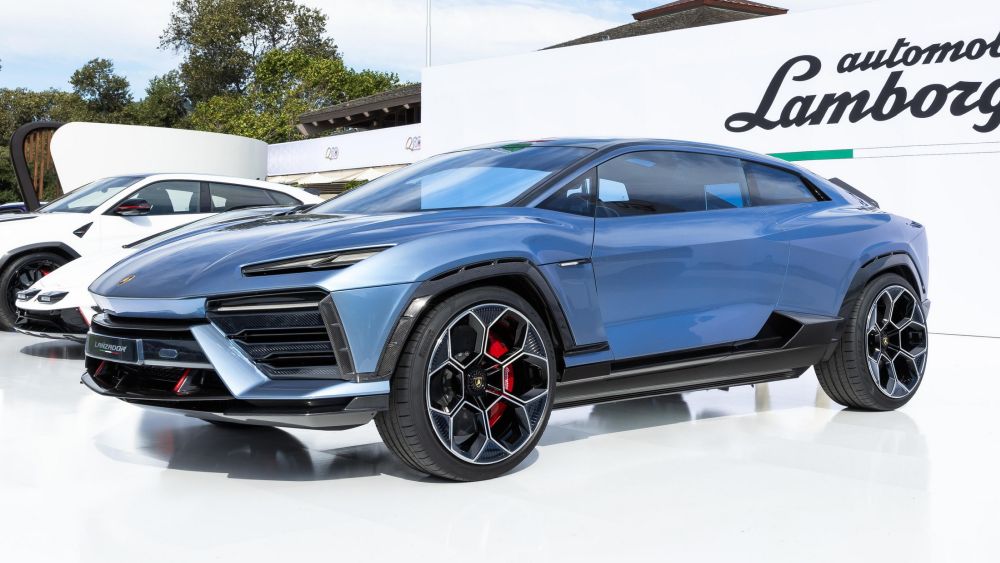
Luxury automakers are quietly dismantling their electric dreams, and the signals could not be clearer. Bentley has slashed its EV lineup from five models to just one, a so-called Urban SUV that might not even arrive until 2027. Rolls-Royce has abandoned its all-electric 2030 target, vowing to keep its iconic V12 engines alive for years to come. Lamborghini, never one to follow trends blindly, has scrapped its first pure EV, the Lanzador, opting instead for a plug-in hybrid. What is really happening behind these boardroom decisions?
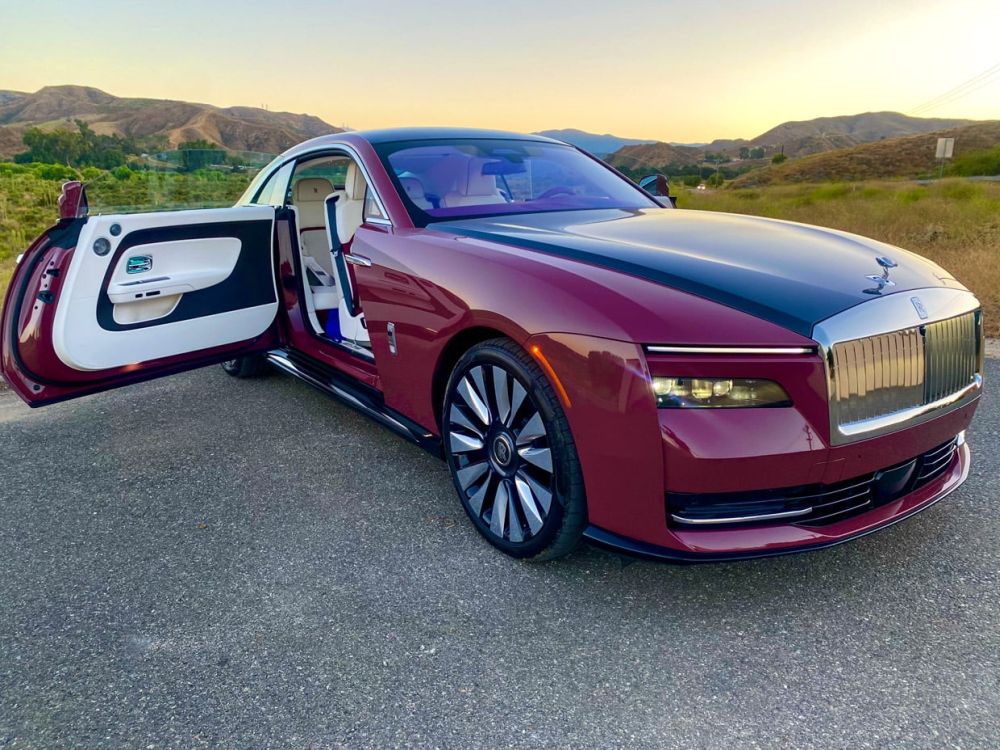
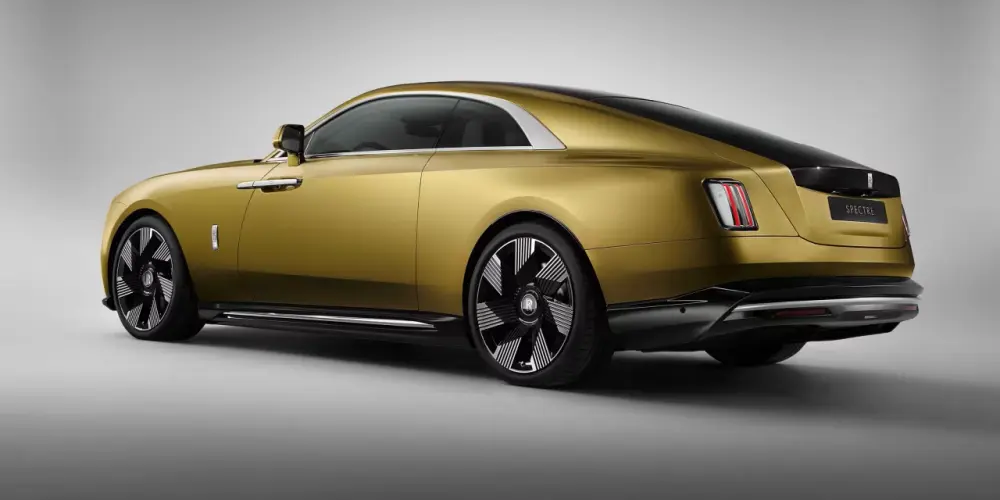
Dig deeper, and the story reveals a stark disconnect between corporate mandates and customer desires. Bentley CEO Frank-Steffen Walliser admits they had to rethink everything after Porsche killed a key platform. Rolls-Royce reports a 47 percent sales drop for its Spectre EV last year, while CEO Chris Brownridge notes that for every EV enthusiast, there is a buyer craving the V12’s roar. Lamborghini’s Stephan Winkelmann calls EV acceptance among its clients near zero, prioritizing emotional thrills over silent efficiency. Are these brands reading the room, or simply delaying the inevitable?
This retreat hints at broader forces at play. European regulators have softened their 2035 combustion ban, buying time for internal combustion engines to linger. Sales figures tell the tale: Lamborghini hit record highs with 10,747 cars in 2025, mostly gas-powered. The luxury buyer, it seems, still equates prestige with power, not plug-ins. Hybrids emerge as the compromise, blending electric range with traditional soul.
So, is the EV revolution stalling at the high end? These moves suggest electrification will arrive, but only when wallets open wide. Watch closely as hybrids dominate the next decade, and pure EVs wait in the wings. The industry is pivoting, and the winners will be those who listen to their customers first.
#LuxuryCars #EVBacklash #AutoIndustry #HybridShift #Supercars