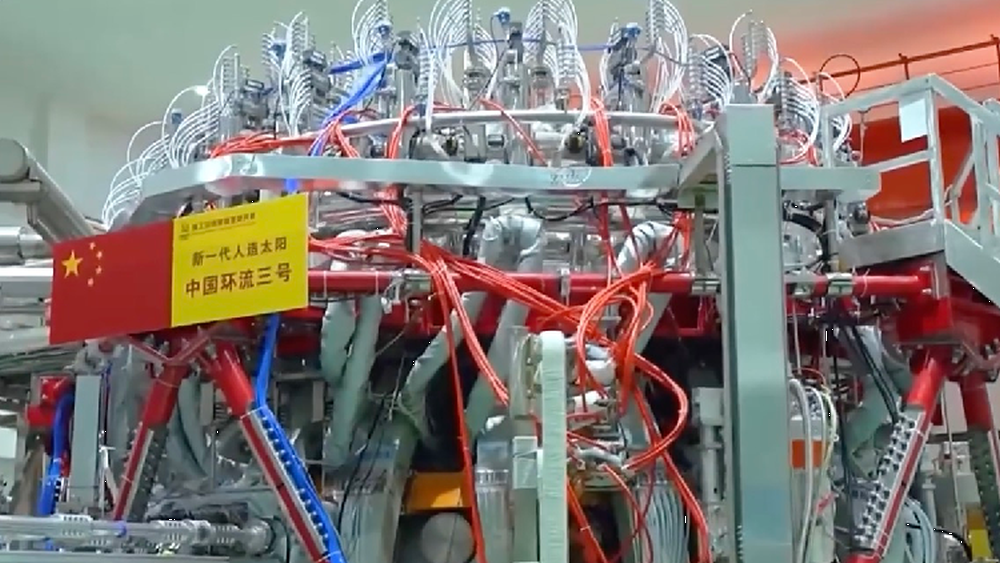
China pulled back the curtain on its HL-4 fusion facility at the 2026 Fusion Energy Conference in Shanghai, laying out a roadmap that reads less like a scientific abstract and more like an industrial mobilization order. The device, the next in a line of tokamaks from the Southwestern Institute of Physics, is not chasing record plasma temperatures for their own sake. Its core mission is to stress-test high-temperature superconducting magnets under the brutal thermal, radiation, and mechanical loads that a real fusion reactor would impose.
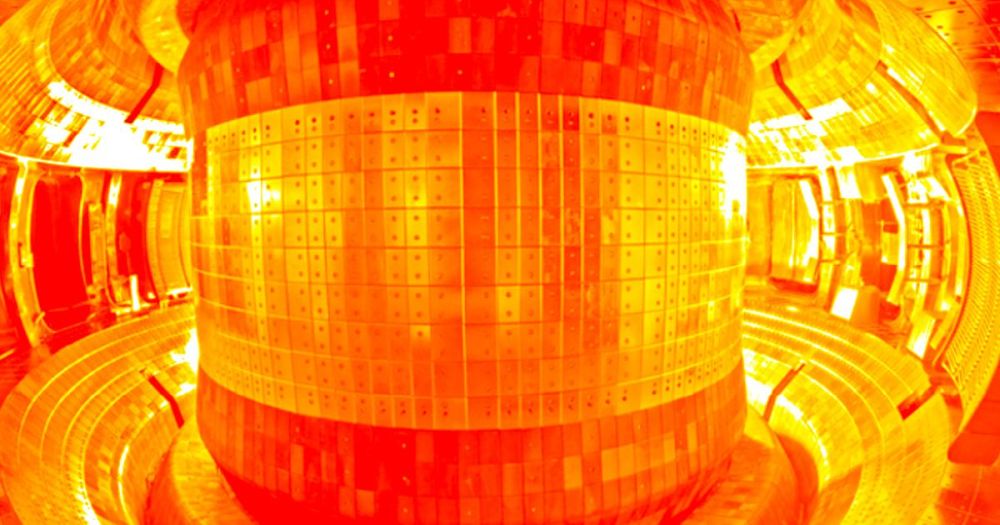
That focus lands squarely on the hardest engineering problem standing between today’s experiments and tomorrow’s power plants. HL-4 is designed to probe how next-generation superconductors behave when embedded in a reactor environment, where every degree of heat and every pulse of neutron flux can erode performance. The stakes are high because without magnets that hold their field and integrity over long campaigns, even the most advanced plasma scenarios will remain laboratory curiosities rather than baseload power.
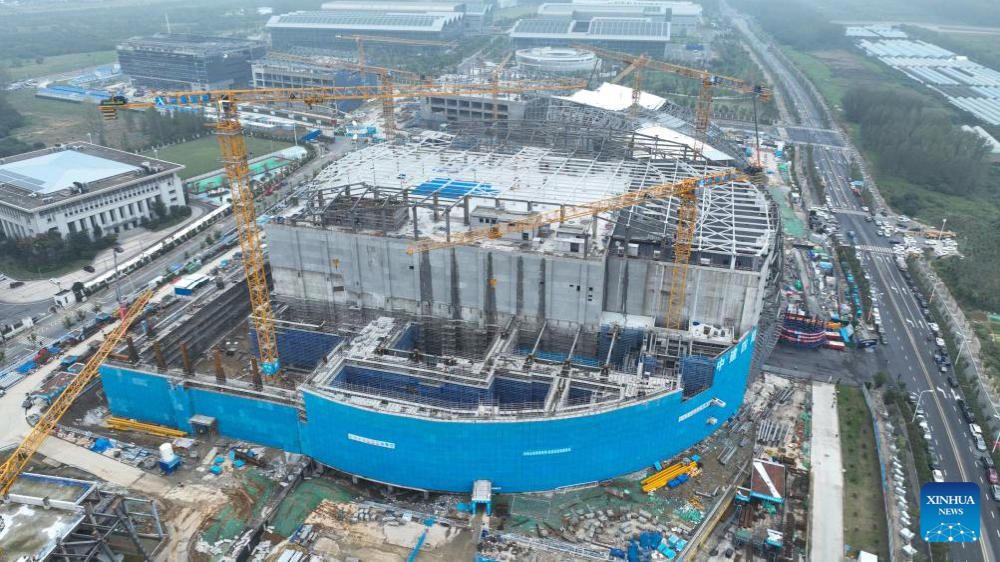
Parallel to the HL-4 reveal, a Chinese fusion consortium outlined plans to deliver a 25-tesla high-temperature superconducting magnet prototype by 2030, with a dedicated development and testing line targeted for completion around 2028. This timeline tracks with other recent milestones, including the completion of testing on a 582-ton superconducting coil for the BEST project, which aims to demonstrate fusion power generation near the end of the decade. Together, these moves signal a coordinated push to dominate the supply chain for the magnets that will define the next generation of fusion machines.
The broader context is a crowded global field where China has made fusion a strategic priority, listing it among ten future industries and committing more than 300 billion yuan through 2030. With state-backed institutes and a growing cohort of fusion companies advancing in lockstep, the message from Shanghai is clear. The race is no longer just about plasma physics. It is about who can industrialize the components, validate them under reactor conditions, and move first from experiment to engineered reality.

#FusionEnergy #HL4 #SuperconductingMagnets #Tokamak #EnergyPolicy #ChinaTech #NuclearFusion #BEST #CleanEnergy #Geopolitics