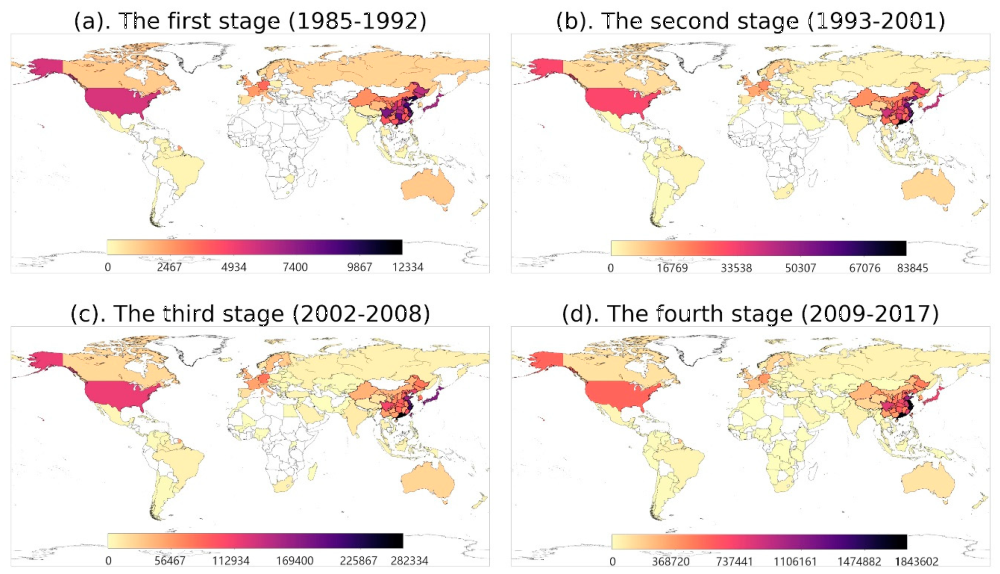
For half a century, Asia’s industrial ascent seemed to follow a predictable pattern. Japan moved from labor-intensive textiles into more advanced manufacturing, allowing production to shift toward Korea. Korea later followed a similar path, as factories moved into China. By the 2010s, China’s rising wages appeared to create the next opening for Vietnam, Bangladesh, Indonesia, and India. This was the logic behind the Flying Geese Model, in which each rising economy made room for the next country in line.
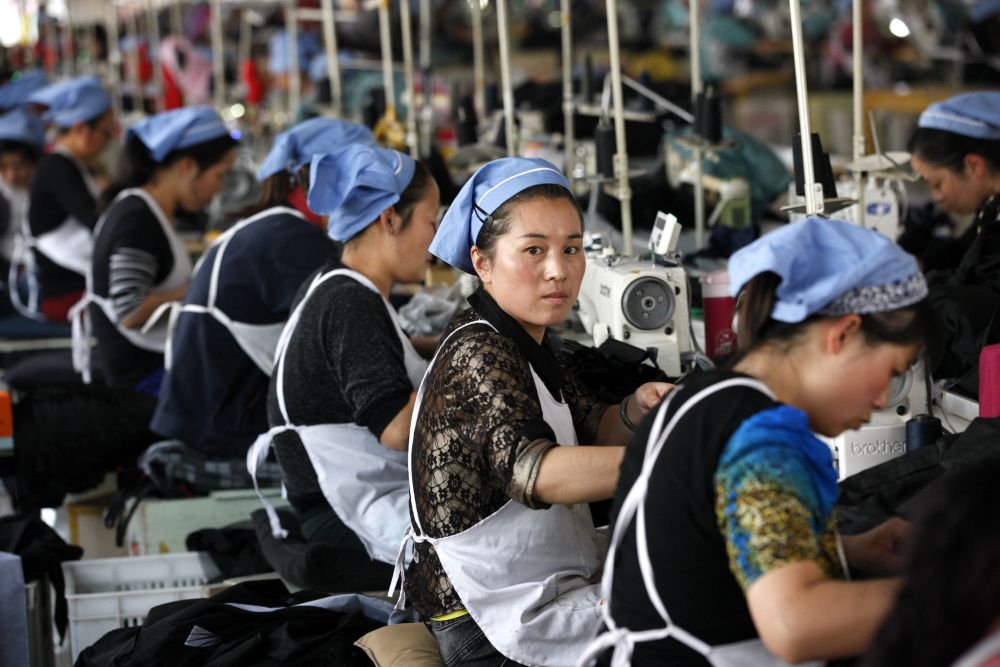
China, however, has complicated that progression. As wages increased, it did not simply abandon textiles, toys, footwear, furniture, and basic machinery. Instead, it preserved those industries while expanding into electric vehicles, batteries, solar technology, robotics, telecommunications, artificial intelligence, and advanced manufacturing. The result is an unusually broad industrial base that combines low-cost production, sophisticated technology, dense supplier networks, state-backed finance, and the purchasing power of a vast domestic market.
The consequences are spreading across Asia. Chinese exports can arrive at prices that local manufacturers struggle to match, especially when competitors lack comparable infrastructure, scale, subsidies, or supply chains. Production has certainly moved into Southeast Asia and South Asia, but China often remains connected to those factories as a supplier, investor, equipment maker, or parent company. The question is therefore not whether factories moved, but whether they moved far enough to create independent industrial ecosystems elsewhere.
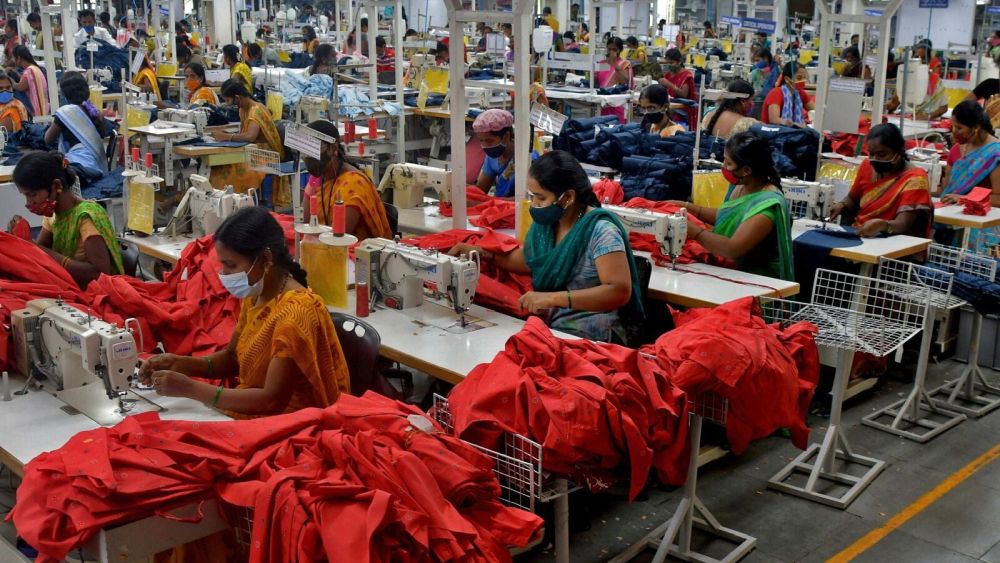
That distinction matters most for India. The country still has an opportunity in apparel, footwear, electronics assembly, chemicals, auto components, and other labor-intensive sectors. Yet inexpensive workers alone are no longer enough. India will need dependable power, efficient ports, stronger logistics, easier regulations, competitive input costs, and deeper integration with global trade. China may not have ended the Flying Geese Model, but it has made the next stage of industrialization far more demanding.
#China #Manufacturing #Asia #India #IndustrialPolicy #GlobalTrade #SupplyChains #EconomicDevelopment