
Nvidia has sharply reduced its pool of approved buyers across Asia, quietly introducing a stricter internal vetting system that has eliminated more than half of its previous regional customers. The move signals a significant shift in how advanced AI chips are distributed, as the company attempts to align itself with tightening U.S. export controls while maintaining its foothold in high-growth markets.

The newly enforced screening process has focused heavily on countries such as Singapore, Malaysia, and Japan, where demand for AI infrastructure has surged. Many of the excluded firms fall into the category of emerging cloud service providers, often operating complex ownership structures that raised red flags during compliance checks. Companies that failed to meet the new standards are not permanently barred, but must restructure and undergo re-evaluation before regaining access.
At the core of this tightening is a growing concern that advanced processors have been reaching Chinese-linked entities through overseas subsidiaries. Updated U.S. guidance has made it clear that geographic location alone no longer determines eligibility. Any company with ties to China, regardless of where it operates, now faces heightened scrutiny. This closes a critical gap that previously allowed sensitive technology to flow indirectly into restricted channels.
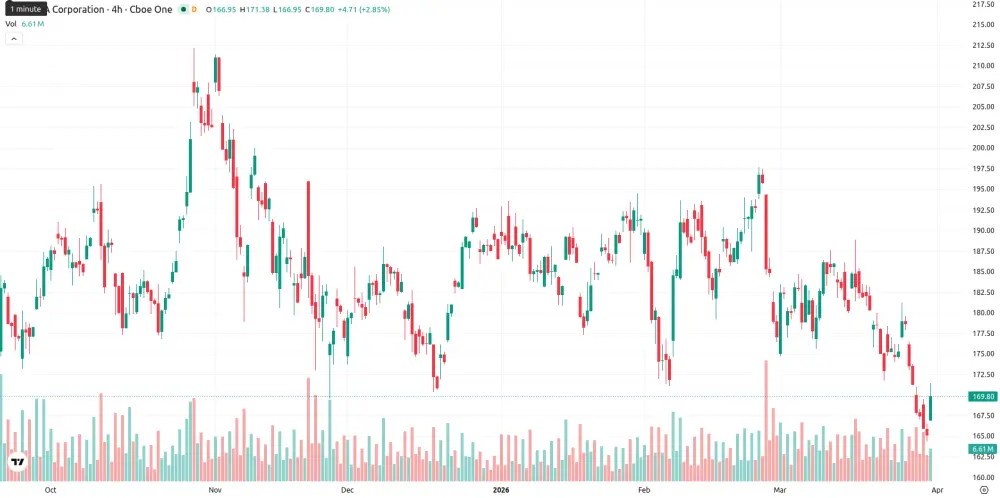
The broader implications extend beyond Nvidia’s internal policies. The restructuring reflects an industry-wide recalibration, where chipmakers are forced to act as enforcers of geopolitical boundaries. While demand for AI hardware continues to accelerate, the rules governing its distribution are becoming increasingly rigid. Nvidia’s decision suggests that compliance is no longer reactive but anticipatory, as the company moves to avoid regulatory backlash and protect its global position.

#AI #Nvidia #TechNews #Semiconductors #ExportControls #China #AsiaMarkets #Geopolitics