
Something urgent is unfolding beneath the radar of mainstream U.S. headlines. Thousands of Americans, priced out of their own healthcare system, are boarding flights to China, Vietnam, and the Philippines not for leisure but for survival. They arrive with medical records in one hand and round-trip tickets in the other, seeking treatments that cost a fraction of domestic prices yet promise the same or even superior outcomes. This is not medical vacationing. It is a quiet exodus driven by desperation and calculation.
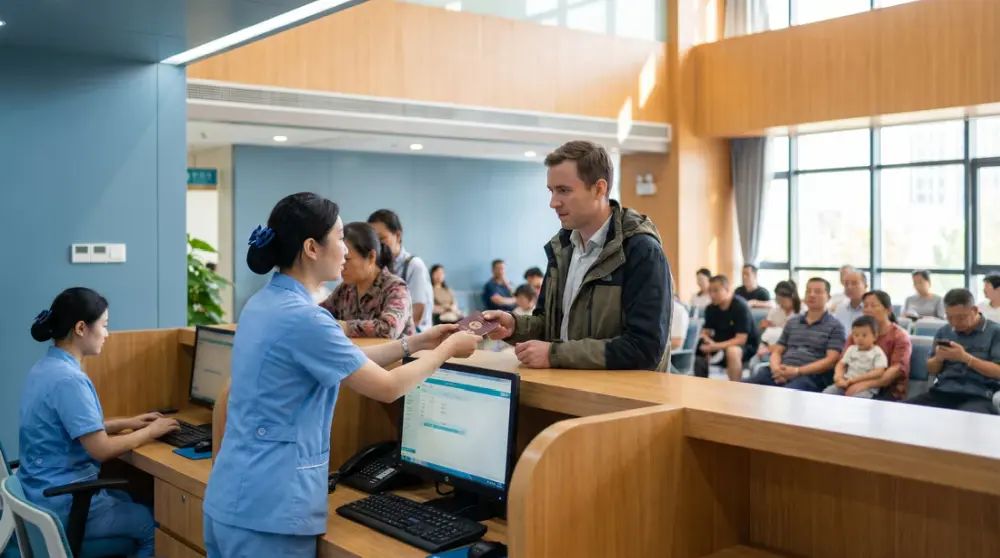
Hospitals in Beijing, Shanghai, and Ho Chi Minh City now operate like global health hubs, advertising CAR-T cell therapies, complex orthopedic reconstructions, and fertility procedures at 70 to 80 percent below U.S. rates. Wait times that stretch into months or years back home shrink to days abroad. English-speaking coordinators shepherd patients through streamlined intake processes, while recovery suites double as hotel rooms overlooking city skylines or tropical coastlines. The message is clear: if you can travel, you can heal, and you will not bankrupt your family doing so.
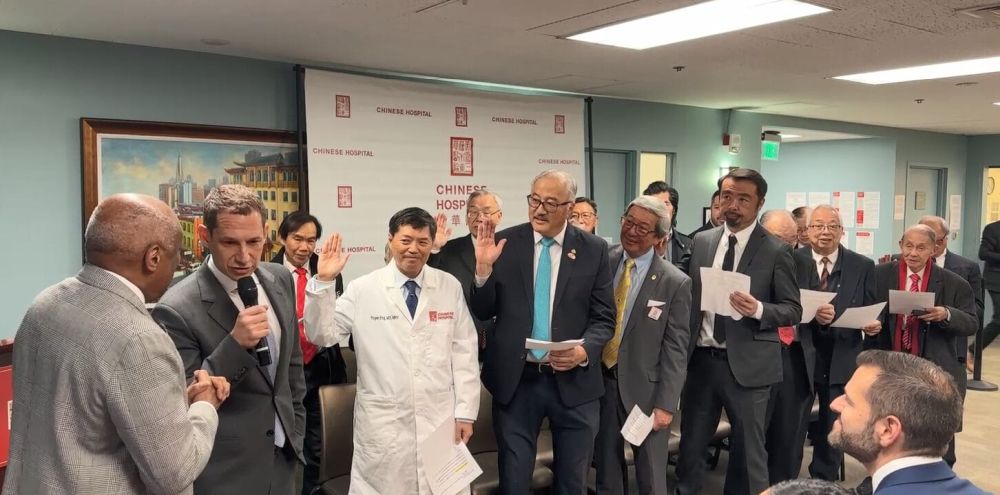
Behind this surge lies deliberate policy. China’s visa liberalization, opening doors to citizens from over 75 nations, has removed one of the last friction points keeping foreign patients away. Foreign hospital visits jumped 73 percent in just three years, hitting 1.28 million in 2025. Tourism boards and hospital chains now co-market bundled packages, pairing postoperative care with cultural excursions. The calculus is economic as much as medical. Nations see health services as a growth engine. Patients see them as a lifeline.
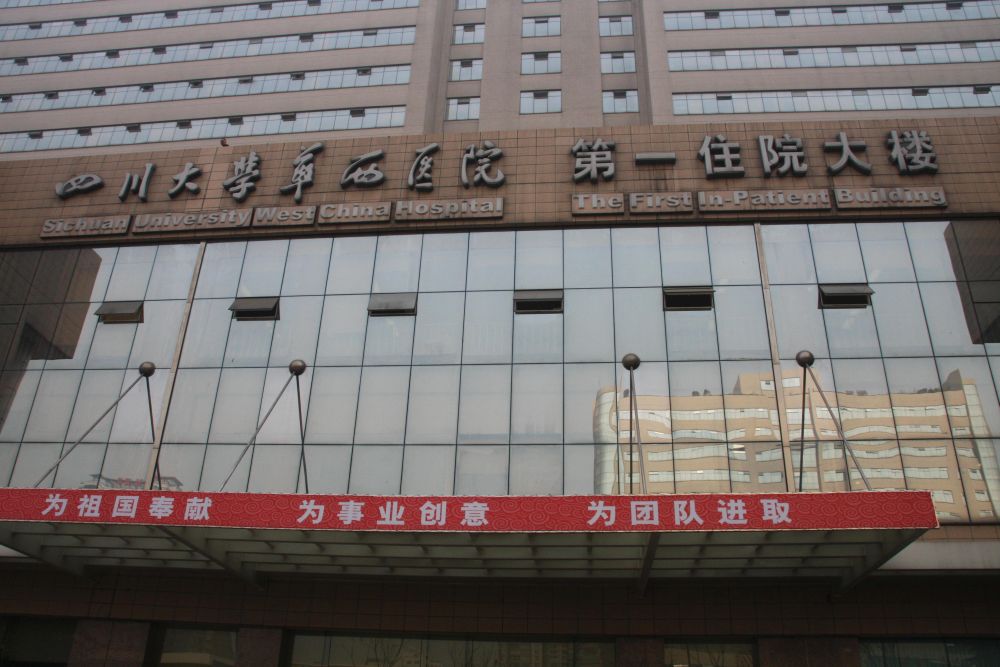
Yet the story carries shadows. What happens when complications arise after return flights? Who guarantees continuity of care when records span continents and legal jurisdictions blur? Insurance companies remain largely absent from these arrangements, leaving patients to self-insure with airline miles and savings accounts. Still, the trend shows no sign of slowing. For a growing number of Americans, the road to recovery no longer runs through their local clinic. It runs through immigration control, past duty-free shops, and into operating rooms thousands of miles from home.

#MedicalTourism #HealthcareCrisis #AsiaHealthcare #USHealthcare #MedicalExodus #GlobalHealth #PatientRights #HealthcareCosts