
Hong Kong International Airport has opened the first major phase of its rebuilt Terminal 2, and the timing is telling. The move is not just about more space, but about proving that the airport can keep pace in Asia’s fierce competition for passengers, routes, and relevance. Behind the polished glass and new systems is a larger question: is this expansion a practical fix for crowding, or a strategic bid to protect Hong Kong’s aviation status?
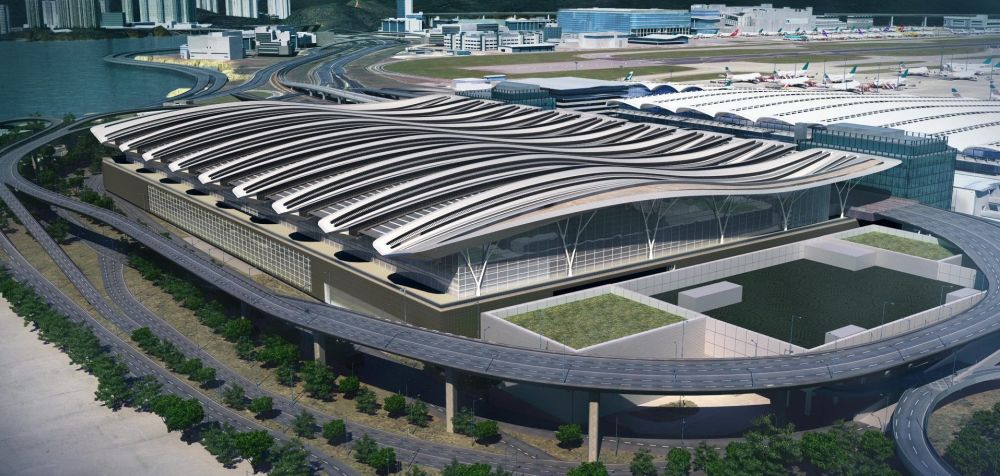
The new departure facilities were designed to take pressure off Terminal 1, with a phased relocation of 15 airlines and a stronger push toward self-service processing. That means more check-in kiosks, more bag-drop stations, and a smoother flow for travelers who pass through the airport each day. The airport authority says the new terminal is meant to handle rising demand and help prepare for the summer rush, but the real test will be whether the promised efficiency holds up once passenger traffic peaks.
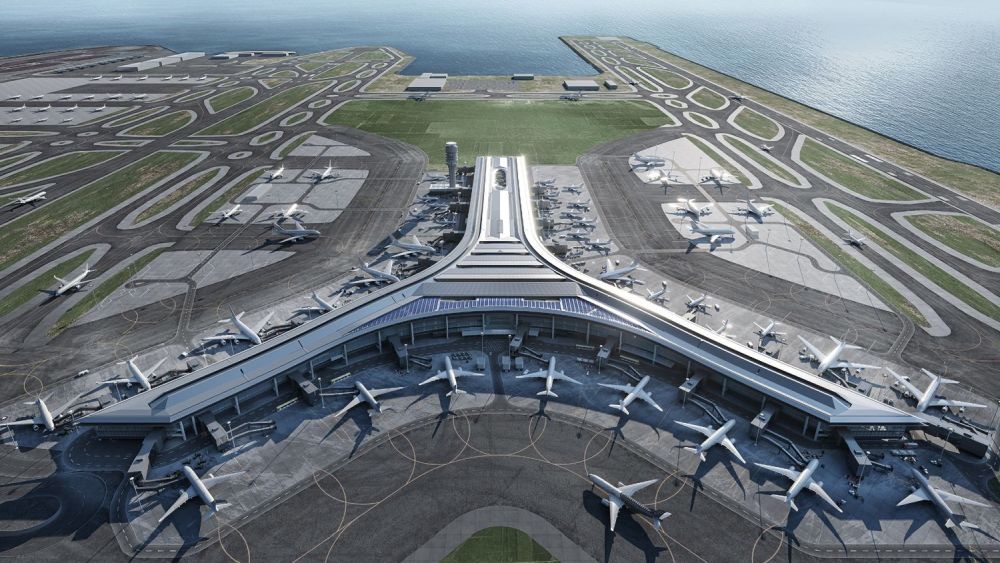
The redevelopment also reflects a broader shift in how airports compete. In Asia, terminals are no longer judged only by runway capacity or location, but by speed, automation, and the traveler experience from curb to gate. Hong Kong is clearly trying to signal that it is still a heavyweight in the regional aviation race, even as rival hubs expand aggressively and fight for the same transfer traffic. The terminal is therefore more than a building; it is a statement of intent.
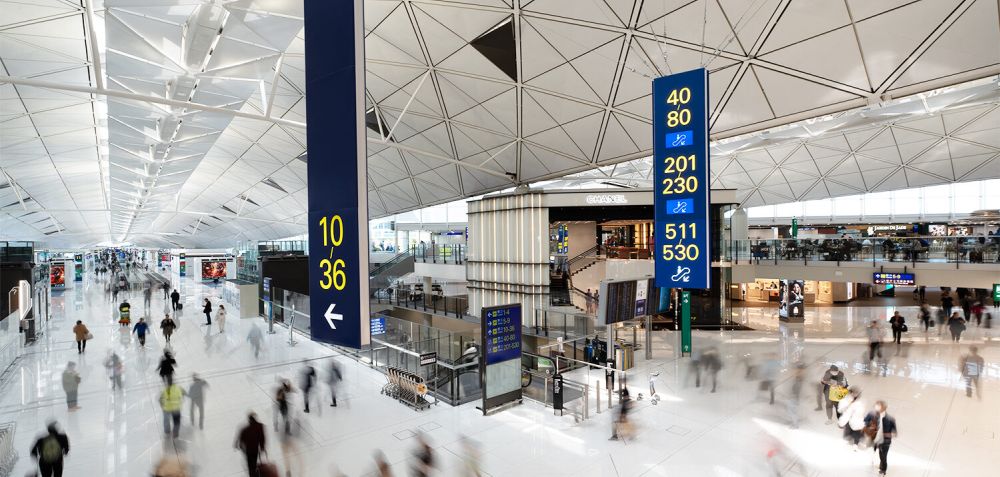
Yet every expansion carries risk, especially when it comes with high costs and long timelines. The airport’s new capacity may help, but it also raises a sharper issue about whether infrastructure alone can secure advantage in a market shaped by geopolitics, demand shifts, and changing travel habits. The open question is not simply whether Terminal 2 works, but whether it arrives in time to matter.

#HongKongAirport #Terminal2 #AviationHub #AirportExpansion #TravelInfrastructure