
The objects that catch your eye in hotel lobbies, beachside stalls, and yes, airport departure halls, are rarely what they seem. What looks like an ancient tribal artifact or a sacred ceremonial carving is more often the product of a very modern and calculated transaction between a craftsman who understands what foreigners want and a tourist hungry for a piece of somewhere else. Anthropologists began using the term “airport art” in the mid-twentieth century to describe this phenomenon, initially observing it across Africa and the Pacific, where Western demand for “authentic” souvenirs had begun reshaping entire local craft traditions almost beyond recognition.
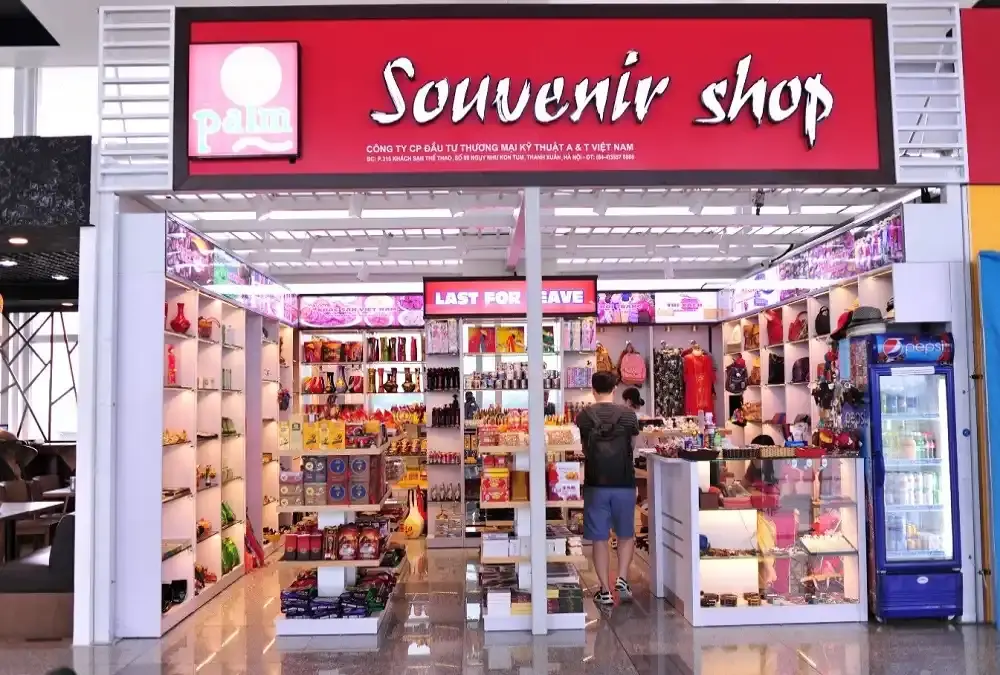
The transformation happens in predictable but fascinating ways. Ritual objects that once took months to carve and carried deep spiritual meaning get simplified, miniaturized, and standardized so they fit neatly into a carry-on bag. Complex iconography gets flattened into instantly recognizable symbols. An object that once required initiation knowledge to interpret becomes a decorative piece designed to look vaguely exotic above a fireplace in Copenhagen or Taipei. Craftsmen are not passive in this process though. They actively study their buyers, constructing sophisticated mental models of what different nationalities find appealing, and adjusting their output with remarkable commercial intelligence.
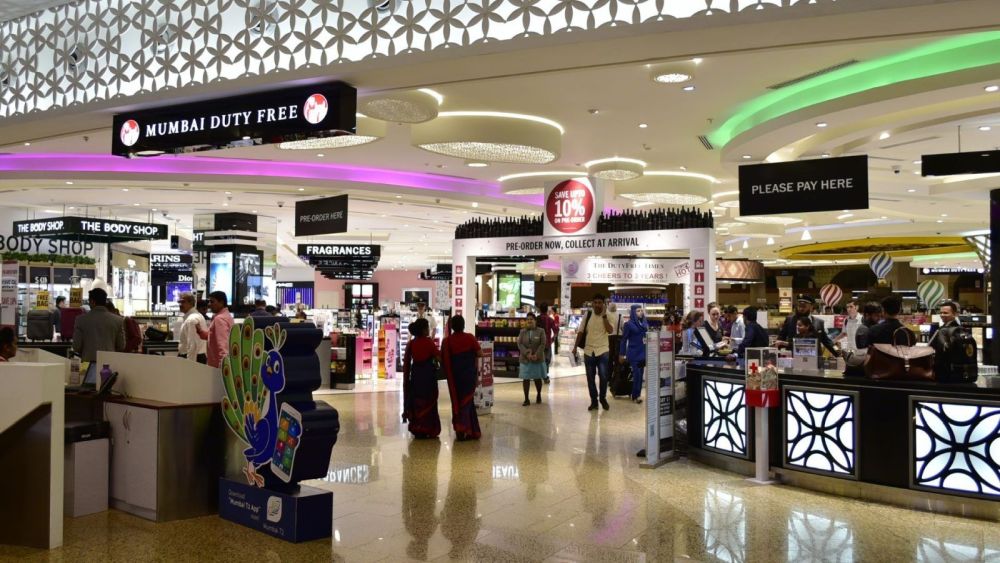
The great paradox at the heart of airport art is that the tourist’s fierce desire for authenticity is precisely what destroys it. The more urgently a visitor wants something “real” and “traditional,” the more incentive local producers have to manufacture that feeling rather than the thing itself. New iconographies emerge, hybrids of multiple traditions blended into something that feels universally ancient and exotic. Over time, these invented forms can become so widespread that they start to replace the original traditions entirely, becoming the new standard, a kind of globally legible visual language of otherness that belongs to no single culture and yet is sold everywhere as belonging to one.
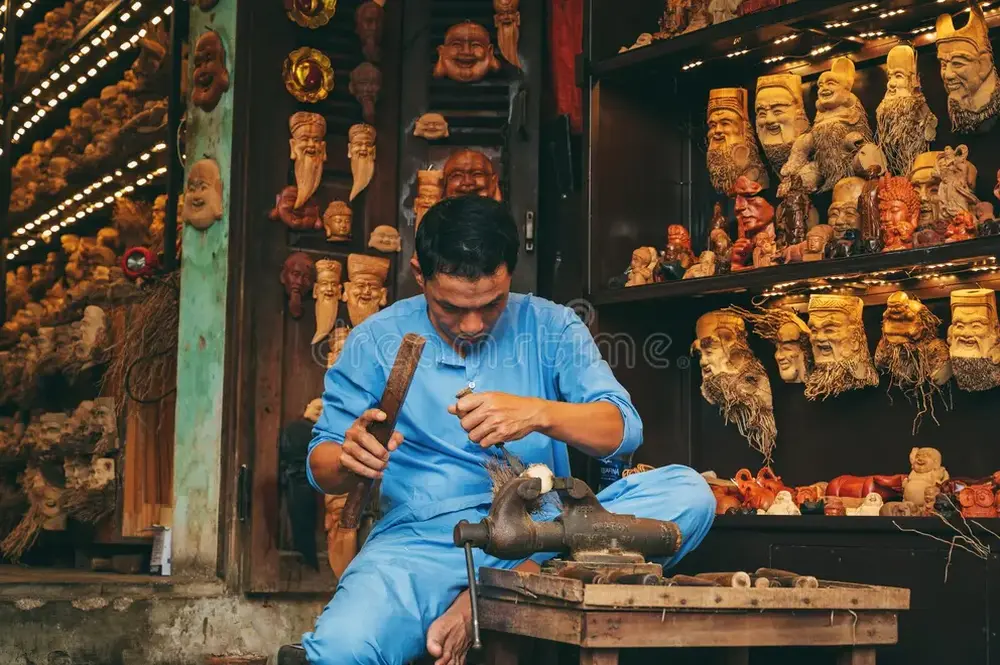
None of this means airport art is worthless or dishonest in any simple sense. Scholars now increasingly recognize it as a living art form in its own right, one that reflects the realities of globalization, cultural encounter, and human creativity adapting under economic pressure. The craftsman who carves a demon mask that simultaneously evokes Sri Lankan Raksha tradition, Balinese dragon mythology, and European pagan iconography is not necessarily deceiving anyone. He is doing what artists have always done, reading his world and responding to it. The object that results may have lost one kind of authenticity while gaining another entirely its own.
#airportart #touristcraft #culturalanthropology #souvenirs #traveldecor #worldcraft #ethnicart #authenticity #globalization #travelculture #folkart #commodification #masks #craftmanship #culturalheritage