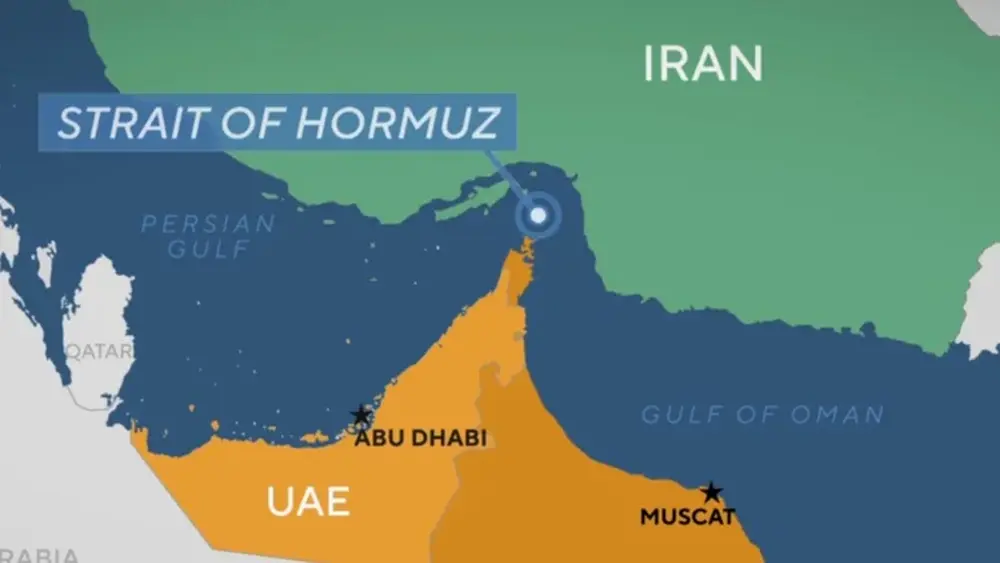
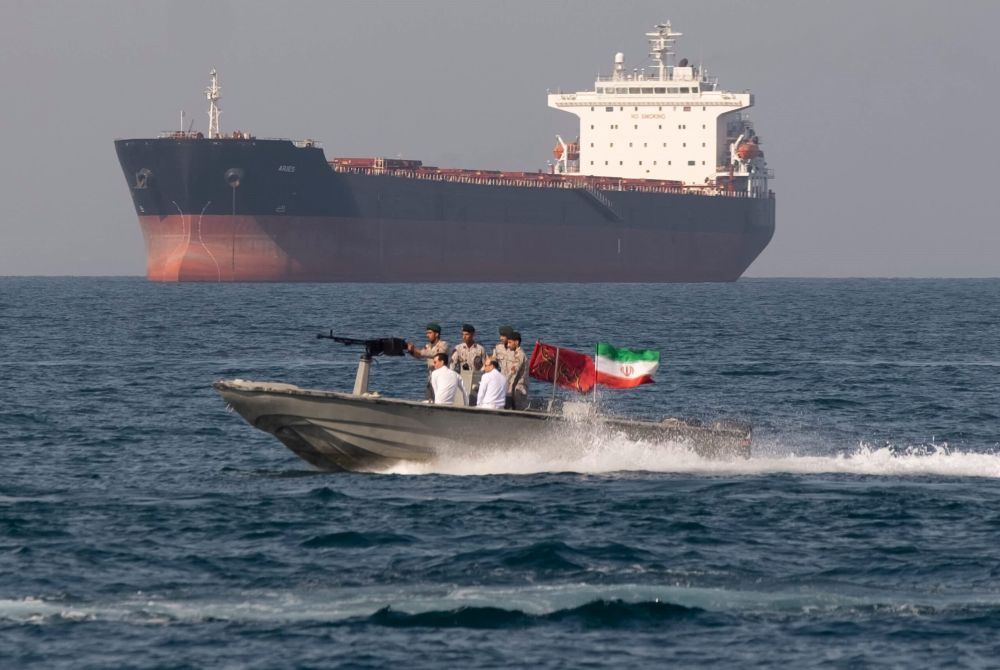
Something extraordinary is unfolding in the shadows of global diplomacy, and it has nothing to do with missiles or battlefields. Iran has just extended an offer to Europe that could reshape the financial order as we know it. On the surface, it’s a simple proposal transit access through the Strait of Hormuz, the slender waterway that funnels twenty percent of the world’s oil. But peel back the layers, and what emerges is a calculated strike at the heart of American economic dominance. The Strait of Hormuz isn’t just a shipping lane. It’s a pressure point, and Iran is squeezing it with precision. Europe, reeling from energy bills that have ballooned by sixteen billion dollars in a single month, is now staring at a choice that could alter the course of history. The question isn’t just about oil. It’s about who controls the currency that buys it.
The petrodollar system, born in the oil crises of the 1970s, is the invisible backbone of US financial power. It’s the reason why nations from Beijing to Berlin stockpile dollars, why global trade bends to Washington’s will, and why America can run up thirty four trillion dollars in debt without the world batting an eye. But what happens when the unthinkable is suddenly on the table? Iran’s offer is a direct challenge to this system. Pay for oil in euros or yuan, not dollars. It sounds almost trivial until you realize the implications. One major non dollar oil deal is all it takes to prove the system isn’t invincible. The message to the world would be clear. If Europe can bypass the dollar, so can you. The BRICS nations, the Gulf states, even longstanding US allies would be watching, waiting for the first crack in the dam.
Europe’s dilemma is as stark as it is dangerous. The continent is bleeding, with natural gas prices doubling and diesel flirting with two hundred dollars a barrel. Desperation has a way of rewriting the rules. If Brussels takes the deal, it won’t just be about securing cheaper oil. It will be a declaration that the dollar’s reign is no longer absolute. The ripple effects would be immediate and devastating. Dollar reserves have already slipped from seventy percent to under fifty seven percent in a quarter century. A single high profile defection could accelerate that decline into a free-fall. The US doesn’t just risk losing its grip on global trade. It risks losing the ability to fund its own debt on easy terms, to print money without consequence, to wield the dollar as both a shield and a weapon.
This isn’t just another chapter in the endless saga of Middle Eastern tensions. It’s a financial chess match, and the stakes couldn’t be higher. Iran isn’t just offering Europe a lifeline. It’s offering the world a blueprint for rebellion. The real war isn’t being fought with drones or sanctions. It’s being fought in the quiet corners of central banks and trading floors, where currencies rise and fall on whispers and deals. The petrodollar system was built to last forever. But forever is a long time, and forever might be running out. If Europe blinks, the dominoes will start to fall. The question isn’t whether the dollar will survive. It’s what comes next.
#Petrodollar #OilWars #EconomicShift #HormuzCrisis #DollarDominance #GlobalFinance #EnergyGeopolitics #BRICS #CurrencyWars #IranDeal