
Meta has stepped deeper into the frontier of brain computer interfaces with the unveiling of Brain2Qwerty v2, a system that claims to translate neural activity into written language without surgical implants. Built on magnetoencephalography, a technique that captures faint magnetic signals generated by the brain, the system reportedly converts thoughts into text with an average word accuracy of 61 percent. For at least one participant, performance climbed to 78 percent, raising questions about how close non invasive systems are to rivaling implanted technologies.
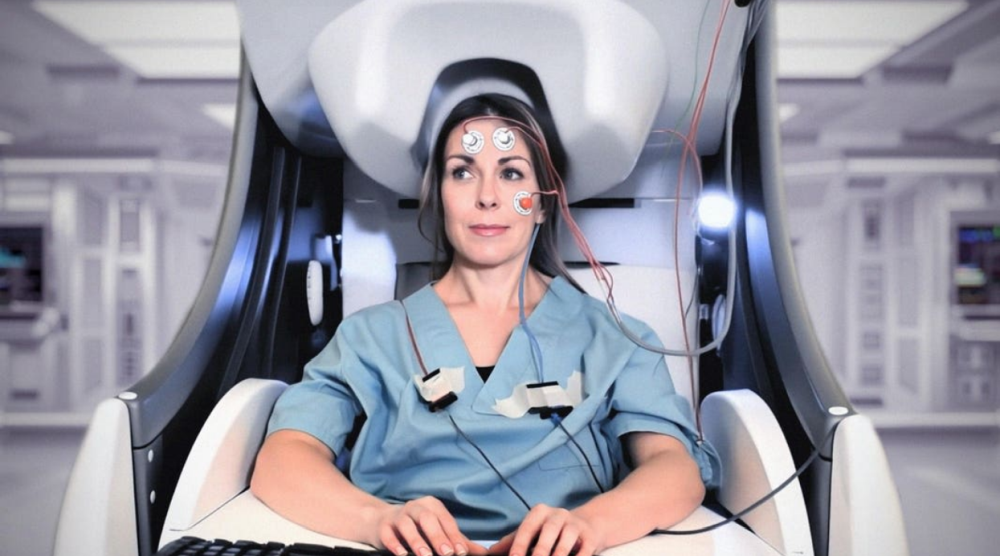
Unlike earlier iterations that struggled at the level of individual characters, the new model attempts to decode meaning at the word level, a far more complex and ambiguous task. Meta trained the system on roughly 22,000 sentences collected from nine individuals, each undergoing long recording sessions while typing. The approach combines raw neural signal processing with advanced language models, effectively allowing artificial intelligence to fill in gaps where brain signals remain incomplete or noisy. This blending of neuroscience and predictive language modeling is where much of the system’s apparent leap in performance originates.
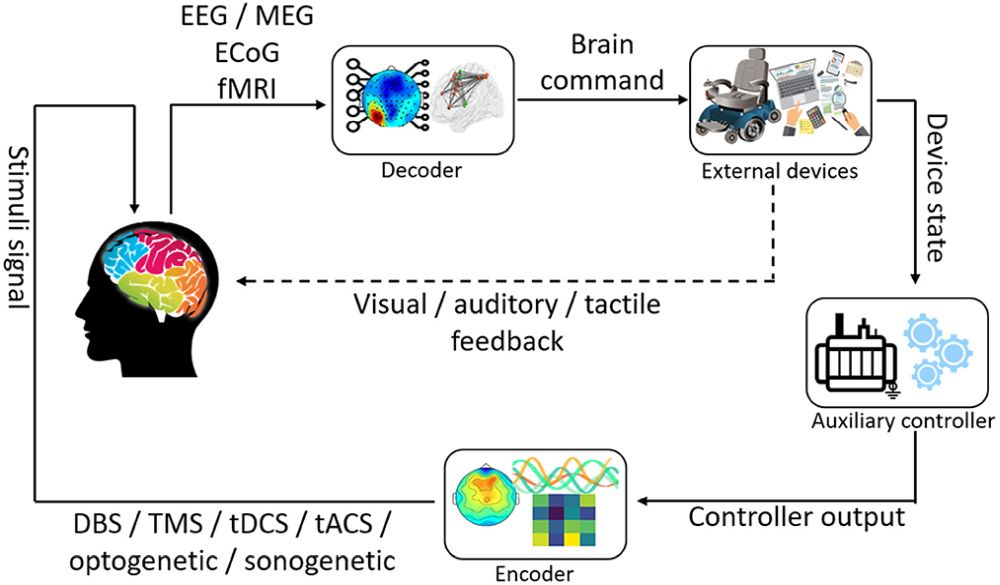
The clinical implications are difficult to ignore. For patients with paralysis, brain injuries, or degenerative diseases that impair speech, such a system could eventually provide a non invasive communication pathway. Historically, meaningful brain to text decoding has required implanted electrodes, which carry risks ranging from infection to long term signal degradation. By contrast, MEG based systems avoid surgery entirely, though they remain bulky and expensive, limiting immediate real world deployment. The gap between laboratory success and everyday usability remains substantial.

Meta’s decision to release code and parts of the dataset signals an attempt to position the project within open scientific collaboration, yet public reaction has been cautious. The idea of a company built on data driven advertising moving into neural decoding has triggered unease among observers who question how such technology might evolve beyond clinical use. While the company frames its work as a breakthrough for accessibility, the broader implications of decoding human thought at scale continue to invite scrutiny that extends far beyond the lab.

#BrainComputerInterface #Neurotech #ArtificialIntelligence #Meta #FutureTech #DigitalEthics #Innovation