
The global PC market is entering a sharper downturn as component shortages tighten their grip, with industry signals pointing to a structural imbalance rather than a short term disruption. MSI leadership has warned that constrained memory supply and limited GPU availability are not only inflating prices but actively suppressing shipments, pushing consumer demand into a notable decline. The DIY segment, often a bellwether for enthusiast confidence, appears to be contracting even faster than the broader market.
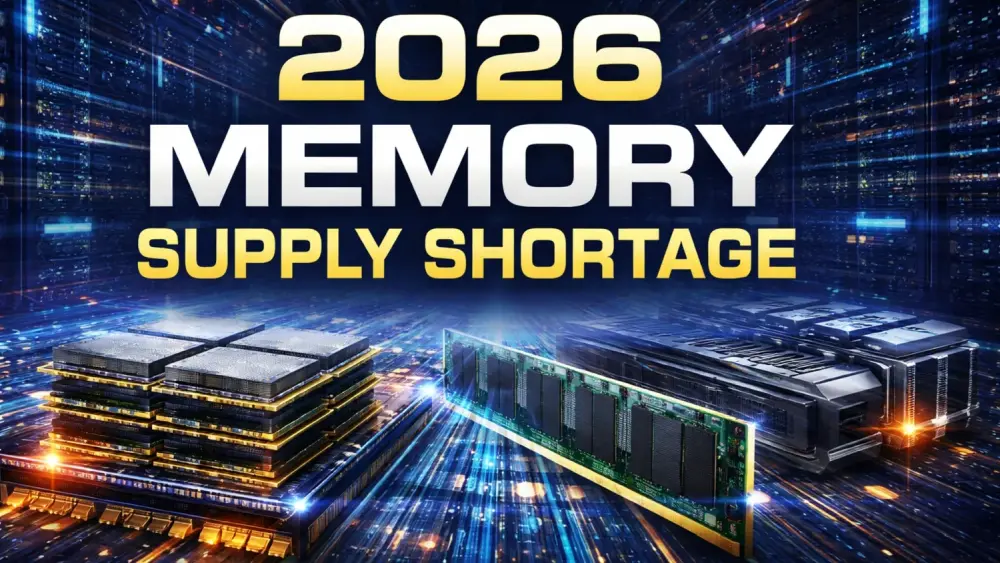
At the core of the issue lies an aggressive reallocation of semiconductor resources toward artificial intelligence infrastructure. Memory prices have surged dramatically, with mainstream DRAM modules multiplying in cost within months, forcing manufacturers to pass increases on to consumers. GPU supply remains similarly constrained, particularly for high demand chips, creating a bottleneck that disrupts production planning and limits retail availability. These pressures have compelled companies to pivot toward higher margin products, quietly sidelining entry level offerings.
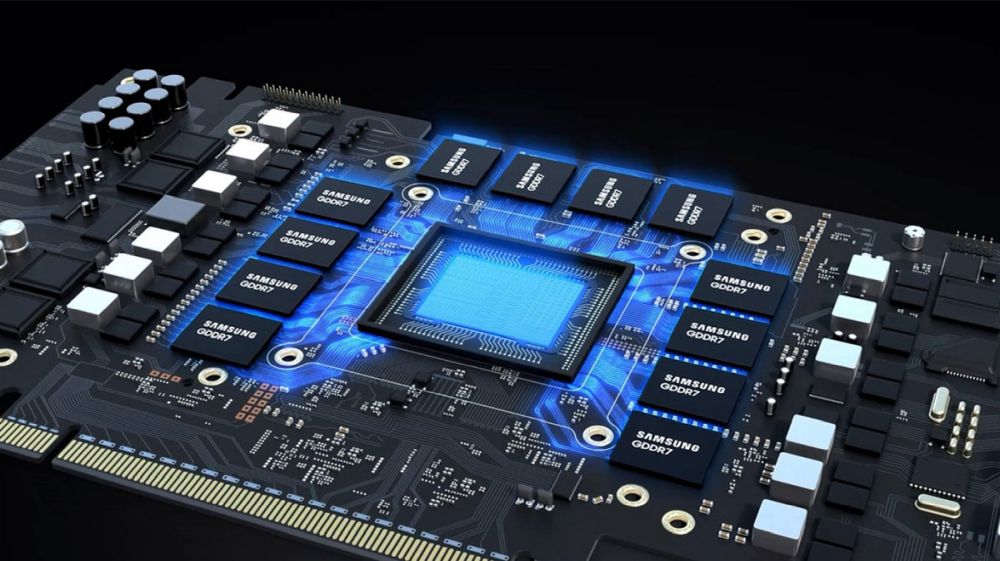
Despite the strain, there are early indications that CPU supply could stabilize in the second half of the year. Major chipmakers are adjusting priorities, redirecting capacity back toward desktop segments after an extended focus on data centers. This shift may ease one part of the supply chain, but it does little to resolve the broader imbalance driven by memory shortages. Even with improved CPU availability, system builds remain constrained if other critical components fail to keep pace.
The broader implication is a market reshaped by AI demand, where traditional consumer electronics are competing for leftover capacity. Semiconductor revenue growth, heavily fueled by memory tied to AI workloads, underscores how deeply priorities have shifted across the industry. Until production expands meaningfully, consumers can expect elevated prices, fewer choices, and a prolonged period of instability in the PC ecosystem.

#PCMarket #GPUShortage #MemoryCrisis #TechIndustry #AIImpact