
The recent ruling by the United States Supreme Court declaring key presidential tariffs unlawful has sent a shockwave through global markets. At the center of the dispute lies a constitutional question that had simmered for years: who truly holds the power to impose sweeping import taxes? The Court concluded that the executive branch had stretched emergency authority beyond its legal limits, stepping into territory reserved for Congress.
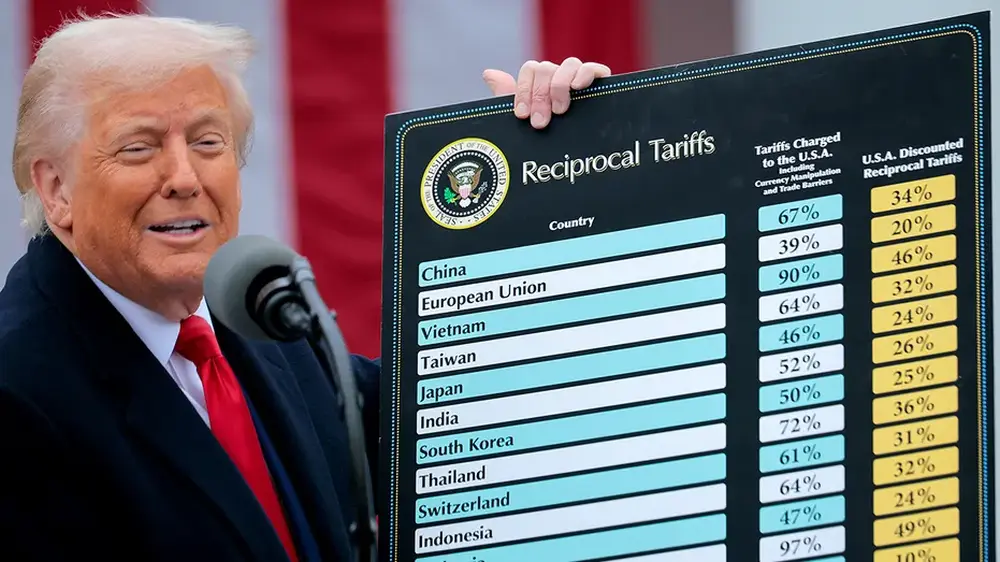
The tariffs in question were introduced under emergency economic powers, justified as necessary responses to perceived national threats and trade imbalances. However, the justices determined that invoking emergency statutes did not automatically grant authority to rewrite trade policy on such a scale. In essence, the ruling reasserts that taxation and tariff setting remain legislative powers, even when framed as urgent economic defense measures.
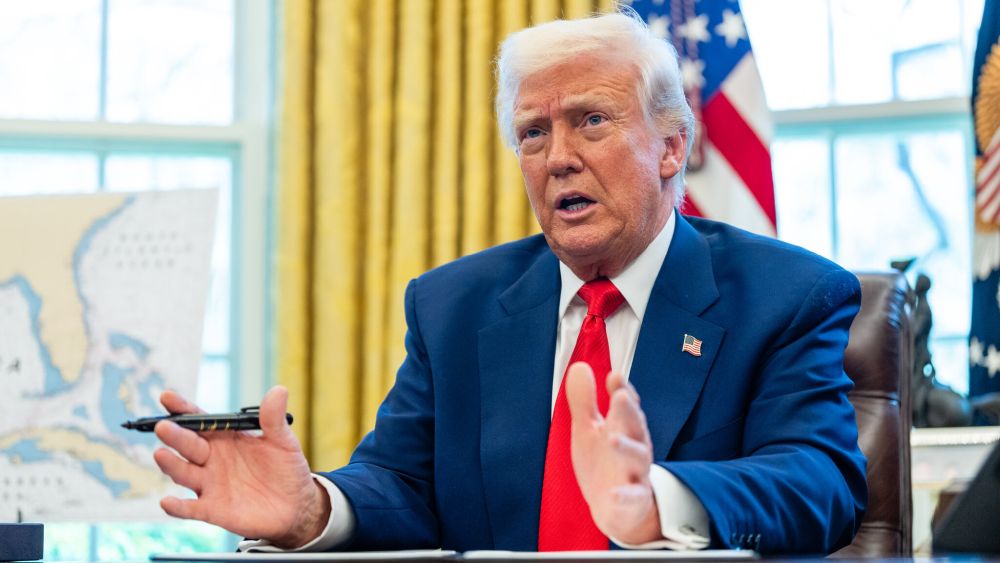
For international businesses and customers, the consequences are both practical and profound. Companies that paid billions in additional import duties may now pursue refunds, setting the stage for years of litigation and financial recalculations. Supply chains that had adapted to higher costs could experience price adjustments, while contractual agreements may require renegotiation. The uncertainty is not merely legal but operational, touching everything from manufacturing forecasts to retail pricing strategies.

Politically, the decision narrows the scope of presidential trade maneuvering and signals that courts are prepared to scrutinize expansive interpretations of executive authority. Yet it does not eliminate the possibility of new tariffs introduced under different statutes or with congressional backing. For global partners, the message is mixed: the rules of engagement in American trade policy are being redefined in real time, and vigilance has become a strategic necessity.

#Tariffs #SupremeCourt #TradePolicy #GlobalTrade #USPolitics #InternationalBusiness