
The Times Square ball drop is one of those rituals that feels eternal, even though it began just over a century ago. First introduced in 1907, it was a simple solution to a fireworks ban, yet it quickly became something much larger. Every December 31st, as the glowing ball descends, New York offers the world a shared countdown, a pause where millions of eyes focus on the same final seconds.
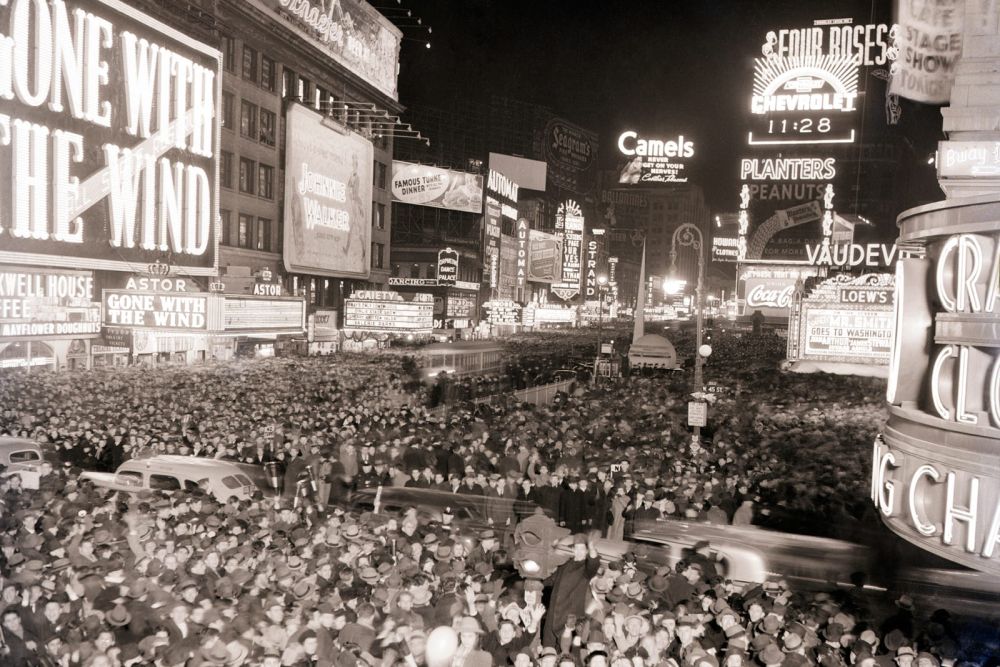
What makes the tradition powerful isn’t just the spectacle, but its consistency. Through wars, economic crashes, blackouts, and pandemics, the ball has almost always fallen. It has changed materials, technology, and scale, evolving from iron and wood into a shimmering sphere of light and precision, while keeping the same symbolic motion: time moving forward, whether we’re ready or not.
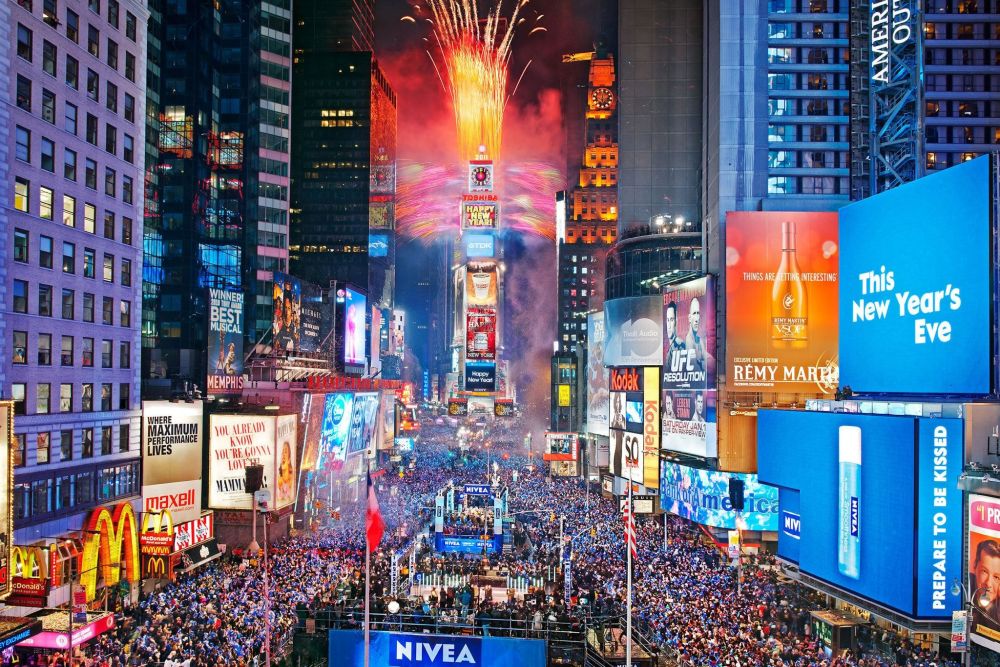
Times Square itself amplifies the meaning. Once a hub of newspapers and theaters, later a symbol of excess and neon chaos, it now becomes a place of collective reflection once a year. The crowd stands for endurance and hope, while those watching from afar participate from living rooms, hospital shifts, or quiet nights alone, still counting along.
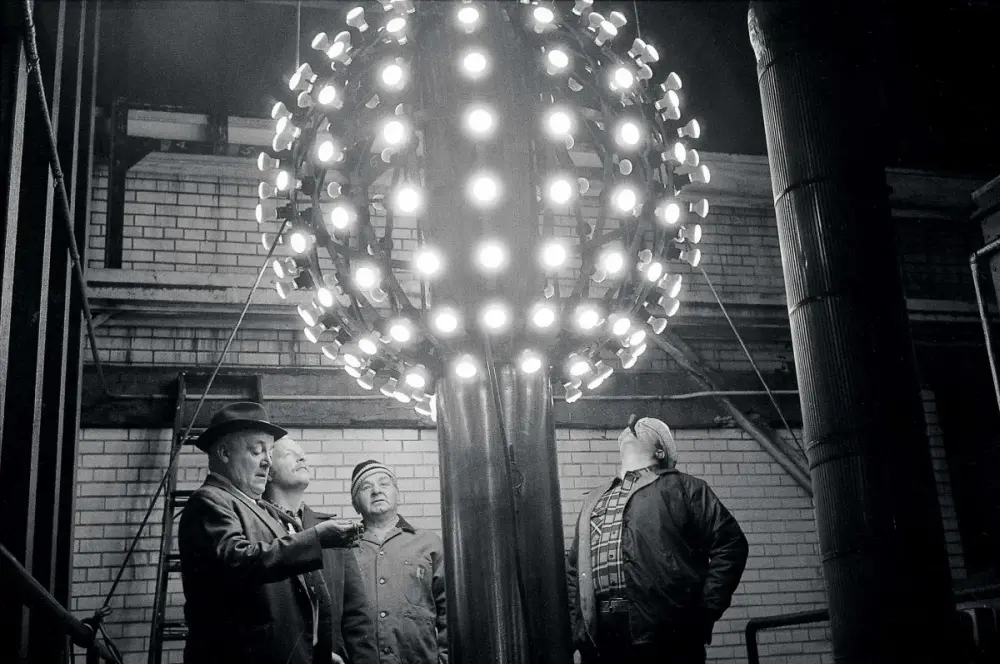
In the end, the ball drop isn’t about New York alone. It’s a reminder that traditions don’t need to be ancient to matter. Sometimes, a century is enough to turn a practical idea into a global moment, one that gently says goodbye to what was, and opens the door to whatever comes next.

#TimesSquare #NewYearsEve #Tradition #NewYork #History #Ritual #Time