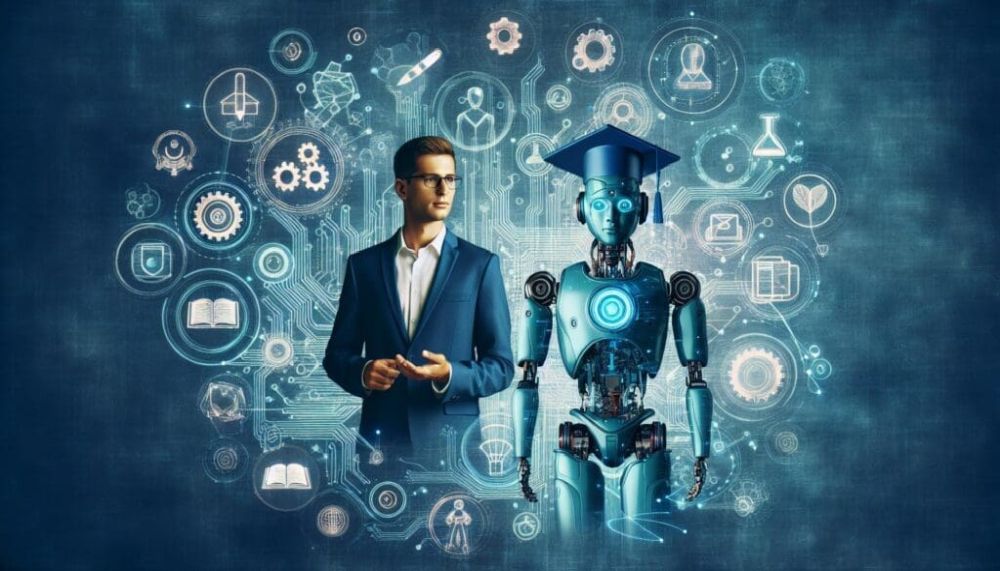
Reading Time : 2minutesIn an AI-powered world, new skills mean higher pay and brighter futures. Education reforms and smart policies ensure everyone thrives. Embrace the change—your rewarding career upgrade is here!
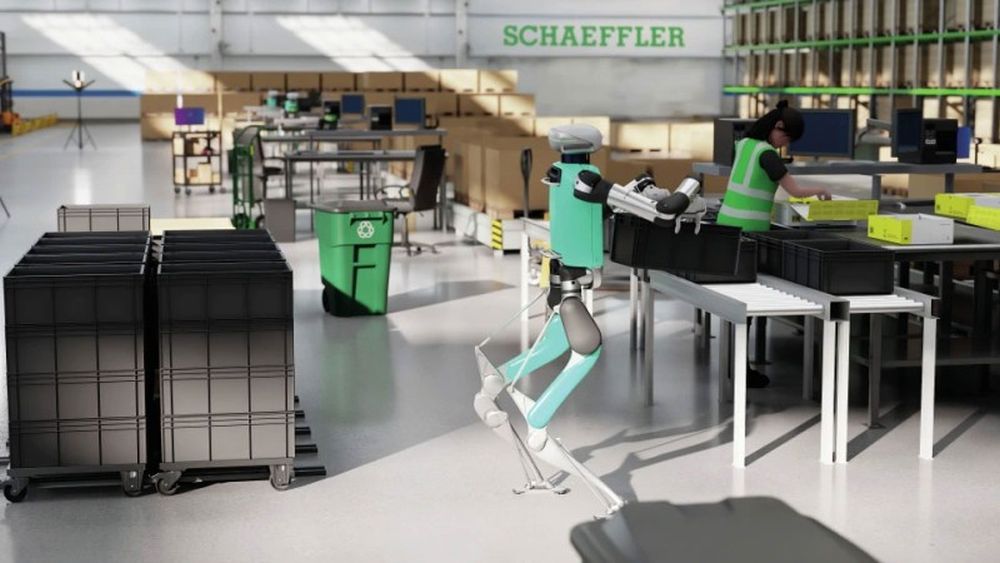
Reading Time : 2minutesSchaeffler and Humanoid’s game-changing partnership deploys hundreds of humanoid robots in factories, powered by custom actuators, flexible RaaS models, and AI fueled by real-world data. The future of manufacturing is here—smarter, faster, and unstoppable.
Reading Time : 2minutesWeRide surges globally with robotaxis in 11 countries, leading in Middle East & Singapore. Revenue soars 837%, fleet to triple by 2026—revolutionizing urban travel!
Reading Time : 2minutesIn an era of AI gatekeepers, Mozilla’s strategy promises open source tools as seamless as proprietary ones, empowering developers and slashing costs. A hopeful revolution for accessible intelligence awaits
Reading Time : 2minutesDreame’s AI Pet Health Collar at CES 2026 reads your furry friend’s emotions, tracks behaviors, and integrates with smart pet gear for ultimate care. With epic battery life and waterproof prowess, it’s the devoted companion every pet lover dreams of—proactive alerts and stress-soothing smarts included!
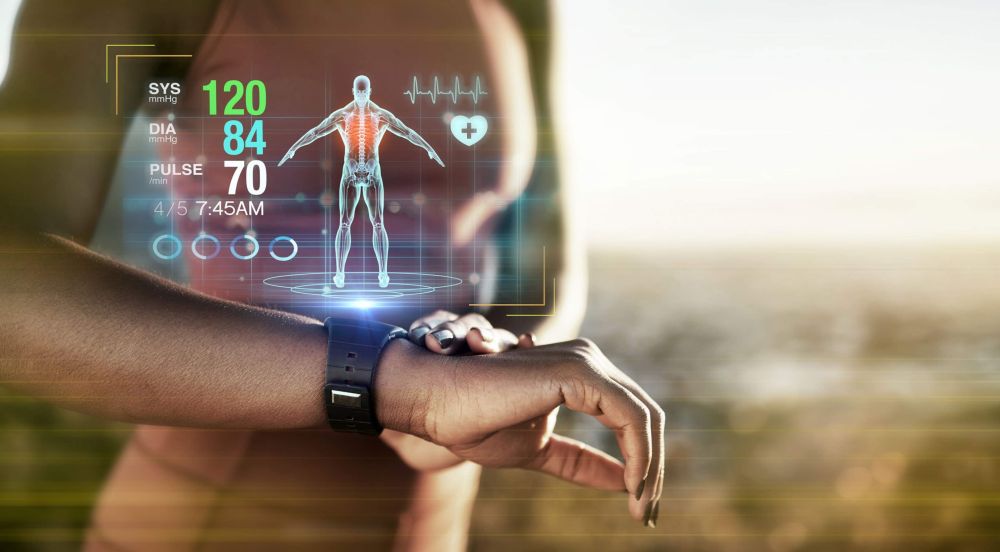
Reading Time : 2minutesWearable technology is evolving fast, shifting from simple fitness tracking to intelligent health insight. Powered by AI, modern devices now interpret biometric data, anticipate needs, and offer personalized guidance. This new generation of wearables promises a future where health awareness becomes intuitive, proactive, and seamlessly integrated into daily life.
Reading Time : 2minutesCES 2026 dazzled with design-forward tech: modular dual-screen laptops, artistic frame TVs, and app-controlled solar lights. Powerhouses blended stunning aesthetics with smart functionality, proving beauty enhances innovation. From repairable powerhouses to gallery TVs, the future of tech feels personal, inspiring, and utterly irresistible.
Reading Time : 2minutesProLogium unveils revolutionary Superfluidized Solid-State Batteries at CES 2026, boasting 1,000 km EV range, ultra-fast charging, and extreme safety. Mass production ramps up with global factories ahead—powering EVs, robots, and more for a sustainable tomorrow.
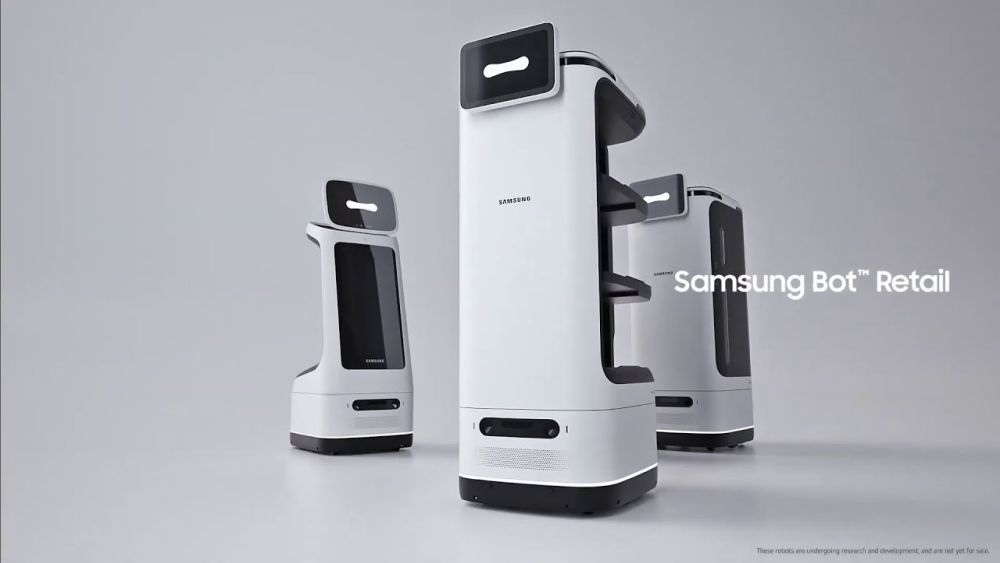
Reading Time : 2minutesSamsung pivots robotics to manufacturing via Rainbow acquisition, eyes M&A in key sectors, and plans 800M AI devices by 2026—unleashing efficiency and smart living revolutions
Reading Time : 2minutesArtificial intelligence is transforming medicine by accelerating discovery, refining diagnosis, and reshaping what we call a cure. While AI excels at optimization, its true impact depends on human values guiding it. Used wisely, it will not erase biology’s messiness, but support it—helping more people live longer, better lives without leaving fragility behind.
Reading Time : 2minutesThe smart home of tomorrow is no longer about control, but intuition. As AI-driven devices learn routines and adapt to human behavior, technology fades into the background. What emerges is a living space that anticipates needs, reduces friction, and quietly supports daily life, offering comfort through intelligence rather than commands.
Reading Time : 2minutesA sharp public debate between Demis Hassabis and Yann LeCun has reopened a fundamental question in artificial intelligence: does general intelligence truly exist? Their opposing views reveal two radically different paths for AI’s future, one focused on scaling today’s systems and the other on reinventing how machines understand and interact with the world.
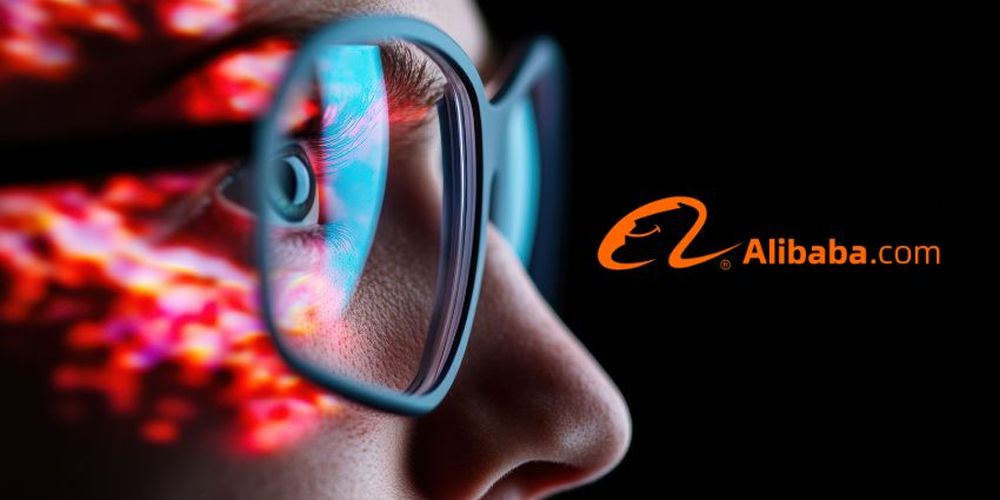
Reading Time : 2minutesAlibaba’s Quark AI Glasses mark a decisive step toward affordable, practical AI wearables. Powered by the Qwen model, they bring voice assistance, translation, navigation, and ecosystem services into a lightweight, everyday form. By prioritizing accessibility and real-world utility, Alibaba aims to make AI glasses a natural part of daily life.
Reading Time : 2minutesDigital health trackers are entering a new phase of growth and impact. Already worth hundreds of billions of dollars, the market is expanding rapidly as wearables and apps deliver continuous health insights. With smarter sensors and AI-driven analysis, these tools are moving from fitness accessories to essential components of preventive and personalized healthcare.
Reading Time : 2minutesA new AI model is challenging traditional assumptions about intelligence by focusing on autonomous learning, adaptability, and efficiency. Rather than relying on massive datasets, it explores how systems can learn new skills independently and safely. While still early, this approach signals a potential shift toward more general and human-like artificial intelligence.