When the United States raised tariff walls against Chinese goods, the intention was clear: slow China’s export machine and rebalance trade. What followed was less a retreat than a detour. Vietnamese ports, factories, and warehouses quietly became transit points where Chinese products were transformed just enough to acquire a new passport before heading to American shelves.
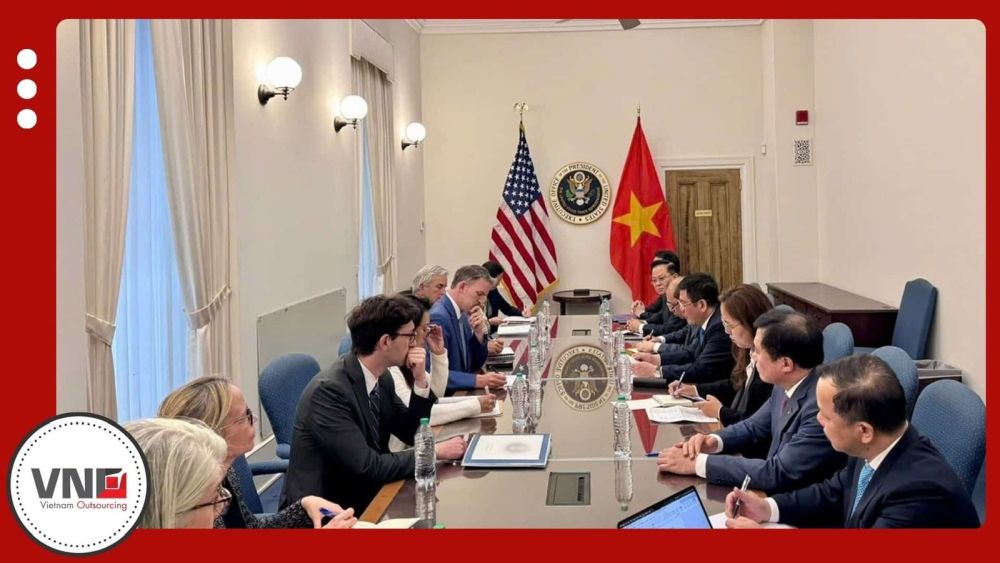
In practice, this redirection often involves minimal processing. Components arrive from China, undergo light assembly or repackaging in Vietnam, and then leave labeled as Vietnamese exports. Legally, the line between genuine manufacturing and cosmetic change can be thin, and companies have learned how to walk it with remarkable precision. The supply chain adapts faster than politics.
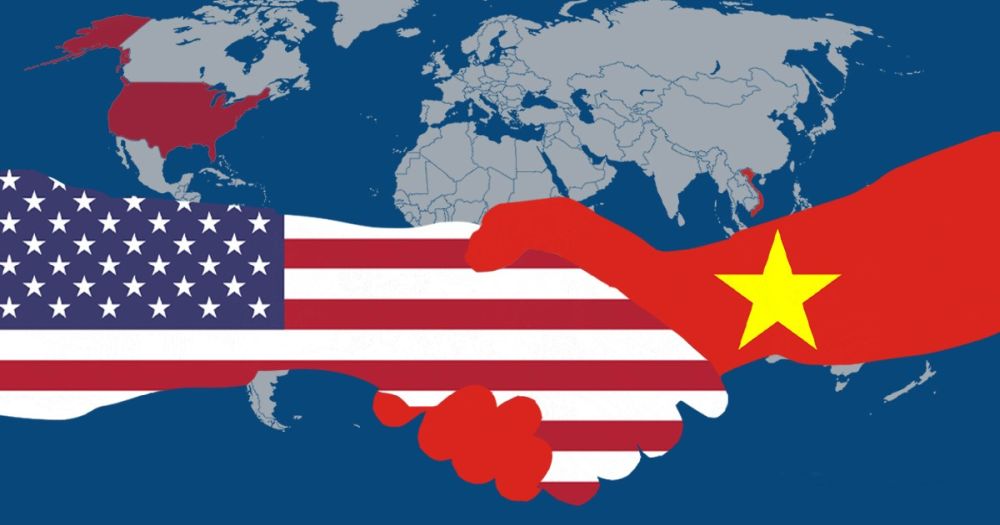
For Vietnam, the surge has been a mixed blessing. Export figures have soared, foreign investment has poured in, and industrial zones are expanding rapidly. Yet this growth carries risk. Increased scrutiny from U.S. customs and the possibility of secondary tariffs threaten to pull Vietnam into a trade conflict it did not start but now profits from.
What this episode reveals is not a failure of enforcement alone, but a deeper truth about globalization. Tariffs may slow trade, but they rarely stop it. As long as incentives remain misaligned, goods will keep moving, borders will blur, and economic pressure will simply reshape itself into new, unexpected routes.

#tradewar #globaltrade #Vietnam #China #USTrade #supplychains